
Ice Dam Removal In Minneapolis, MN
Icicles, ice-packed gutters, or water where it shouldn't be — this page walks Minneapolis homeowners through what's causing it, whether it's an emergency, and how safe steam ice dam removal works.
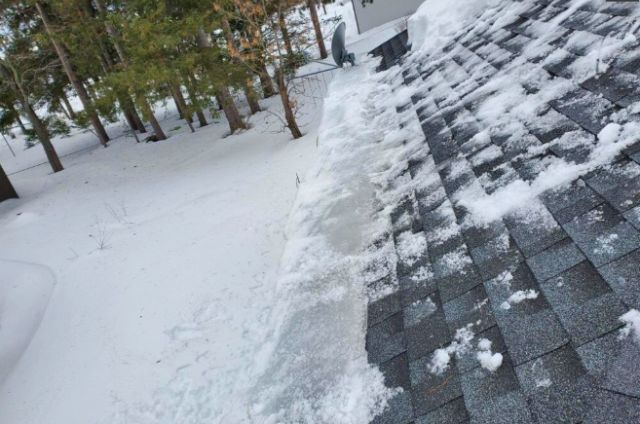
Why Do Minneapolis Homes Get Ice Dams?
Ice dam removal in Minneapolis is a different problem than it is in a milder climate, because a Minneapolis roof doesn't need a record cold snap to grow an ice dam — it needs the ordinary rhythm of a Twin Cities winter. Average highs run around 24°F in January and stay near or below freezing from December through February. On their own, cold temperatures just mean snow stays put. The problem starts when that pattern breaks: the Twin Cities typically sees a January thaw — two or more consecutive days with highs above 32°F — in roughly 8 out of every 10 winters going back to 1873. As of 2026, the region has recorded a January thaw for 15 consecutive years. Each thaw melts snow sitting on the roof; each refreeze at a colder roof edge turns that meltwater into ice. That repeating cycle, not the cold by itself, is what actually builds a dam.
Snow accumulation is the other half of the equation. Minneapolis averages just over 51 inches of snow a year, with December and January each typically bringing 10–11 inches.That accumulated snow can become a steady source of meltwater when heat escaping through the roof or warmer outdoor temperatures begin melting the snowpack. And it doesn't take a record winter to matter. The Twin Cities' snowiest season on record, 1983–84, brought 98.6 inches of snow, while 2010–11 brought 86.6 inches — showing just how much snow a local roof may have to shed over the course of a winter. More roof snow sitting through more freeze-thaw cycles generally means more opportunity for ice to build, though snowfall alone never causes an ice dam on its own — it's the combination with heat loss and refreezing that does it.
Minneapolis housing stock adds a third factor. A meaningful share of the city's homes, especially the bungalows and foursquares common in South Minneapolis neighborhoods like Lynnhurst, Tangletown, Armatage, and Kenny, were built before 1980 — often with lower-pitched roofs, wide overhanging eaves, and attic insulation that hasn't been updated in decades.Northeast Minneapolis has a long residential history shaped by the city's industrial growth and immigrant communities. Many homes in the area date to the late 19th and early 20th centuries, leaving the neighborhood with older housing where insulation, ventilation, and heat loss can vary considerably from one property to the next. Older insulation and wide eaves are exactly the combination that lets heat escape into the attic and lets ice collect where the roof can't shed it — though a newer Minneapolis home with poor attic ventilation can develop the same problem.
"Do I Actually Have An Ice Dam?"
Ice buildup on a roof and ice buildup in gutters are the two most common starting points. Here's what to look for — and how to tell ordinary winter ice from something that needs attention.
Ice building along the roof edge
A ridge or shelf of ice forming along the bottom edge of the roof, especially over eaves, is the clearest sign meltwater is refreezing there instead of draining off.
Large or thickening icicles
Small icicles are normal. Icicles that keep getting thicker, longer, or appear in clusters behind the gutter line are worth watching closely.
Ice packed into or behind gutters
Gutters full of solid ice, or ice visible behind or above the gutter line, usually means water has nowhere left to go but backward, under the shingles.
Water stains on ceilings or walls
A brownish stain, bubbling paint, or a damp patch near an exterior wall or window in winter is often meltwater finding its way inside.
Dripping inside the house
Any dripping indoors during freezing weather — from a ceiling, a light fixture, or around a window frame — should not be treated as a minor issue.
Ice that keeps growing
Ice that visibly grows day over day — thicker, taller, spreading further along the roofline — signals an active, ongoing problem, not a one-time freeze.
Visible icicles alone don't automatically mean you have a damaging ice dam — plenty of Minneapolis homes get icicles every winter with no issue. It's the combination of signs, and how fast they're changing, that matters most.
"Why Is My Roof Leaking When There's Snow Outside?"
A roof leaking from ice, not a failed roof, is the most common explanation homeowners are surprised by.
It feels backwards — how can a roof leak when it's below freezing? Here's the mechanism: sun and heat escaping from your attic melt snow on the upper, warmer parts of the roof. That water runs downhill until it reaches a colder section — typically the overhang, where there's no heated living space underneath — and refreezes into ice.
Over time, that ice builds into a dam. Meltwater keeps arriving from above, but now it has nowhere to drain. It pools behind the ice and sits there — on a section of roof that was designed to shed water quickly, not hold it. Shingles are built to handle water running downhill, not standing water. Eventually it works its way under the shingle edges and into the house.
So the leak usually isn't a sign your roof failed. It's a sign that meltwater found the one condition your roofing system wasn't built to handle: ice holding water in place.
"I've Lived Here For Years — Why Did I Get An Ice Dam This Year?"
Ice dams almost never come down to one single cause. They're the result of several conditions lining up in the same winter.
Snowfall & roof accumulation
A heavier snow year — or several storms without a real melt-off between them — simply leaves more water sitting on the roof when a thaw does arrive.
Temperature swings
Winters with more freeze-thaw cycling create more melt-and-refreeze events than a winter that stays steadily cold or steadily mild.
Heat escaping into the attic
Attic heat loss can change year to year — a new light fixture, a bath fan vented into the attic instead of outside, or settled insulation can quietly increase it.
Roof geometry
Valleys, dormers, and transitions between roof sections trap more snow and create more edges where ice can dam up than a simple, open roof plane.
Insulation & ventilation
Gaps or thin spots in attic insulation, or ventilation that isn't moving air the way it should, both change how warm your roof deck runs relative to the outside air.
Sun exposure & shading
South- and west-facing roof sections melt differently than shaded north-facing sections — uneven melting is part of what creates the dam in the first place.
Gutters
Gutters loaded with leaves or debris going into winter give meltwater one more place to pool and freeze, though gutters alone rarely cause an ice dam on their own.
Past home changes
An addition, a new roofline, a converted attic, or added insulation in one area but not another can all shift how heat and snow behave compared to previous winters.
"Is This An Emergency?"
Not every situation needs emergency ice dam removal. Match what you're seeing to the situations below to find out where yours falls.
💧 Water is actively entering the house
This warrants prompt professional attention. Every hour water keeps finding its way in is another hour it can spread into insulation, drywall, or framing.
Call 1-855-468-4233 →🧊 Large ice dam, no interior water yet
You're ahead of the worst outcome, but a heavy dam can still push water under shingles at any point. Keep a close eye on ceilings and exterior walls, and don't assume it will hold.
🔹 Only seeing icicles
Icicles by themselves usually aren't an emergency. They're extremely common in Minneapolis winters. Keep watching for growth, thickening, or ice building at the roofline behind them.
❓ Not sure what you're looking at
That's exactly what we're here for. Call and describe what you're seeing — photos help too — and we'll help you figure out whether it warrants action now or just monitoring.
Describe It To Us →Are You Fixing Today's Problem, Or Preventing Next Winter's?
🚨 I Need Help Now
You've got an active problem — ice, leaking, or something you're not sure about. Skip straight to removal, the process, and pricing.
See How Removal Works🗓️ I'm Planning Ahead
No active emergency — you want to understand insulation, ventilation, gutters, and what to check before next winter arrives.
Go To Prevention"Can I Remove An Ice Dam Myself?"
Some homeowners can and do handle small amounts of roof-edge ice safely from the ground — a roof rake used correctly to clear accessible snow is a reasonable DIY step. Where it gets risky is once ice is involved and a ladder or roof is, too.
- Icy ladders and roofs are a leading cause of winter fall injuries — even for people who are normally comfortable on a ladder.
- Hammers, chisels, and ice picks can crack, lift, or granule-strip shingles, turning an ice problem into a roof-replacement problem.
- Aggressive mechanical removal risks puncturing the roof deck underneath the ice, which you can't see while you're chipping at it.
- Pressure washers operate at pressures roofing materials weren't designed for and can force water further under shingles rather than clear it.
- Unfamiliar winter roof work in general — footing, balance, and judgment all change on a cold, icy roof compared to a summer repair.
This isn't about being told you can't handle it — it's that ice dam removal behaves differently than ordinary snow or ice removal, and the tools most homeowners have on hand aren't built for it.
"What's The Safest Way To Remove An Ice Dam?"
Ice Dam USA uses professional low-pressure steam equipment built specifically for roof ice removal.
Low-Pressure Steam
Controlled steam, running at roughly 250–300°F under low pressure, melts ice on contact without relying on physical impact. It's designed to remove ice, not chip at the roof underneath it.
Built To Protect Shingles
No hammers, no chisels, no high-pressure washing. The equipment is chosen specifically to avoid the shingle damage and puncture risk that come with impact-based or high-pressure methods.
This isn't about any one company's method being the only valid approach — it's about understanding what a method does to your roof while it removes the ice. Any professional you're evaluating should be able to explain their equipment and why it won't damage shingles.
What Happens When Ice Dam USA Arrives
Here's the process from your first call to a finished job, in plain language.
Call 1-855-468-4233 and describe what you're seeing.
We discuss your situation by phone — location, symptoms, and urgency.
We may ask for a few photos to better understand roof and ice conditions before a crew arrives.
We walk you through our hourly pricing approach before anything is scheduled.
Once service is arranged, a crew is dispatched to your property.
The crew evaluates ice thickness, roof pitch, and accessibility before starting.
Professional steam equipment removes the ice in a controlled, shingle-safe way.
You can ask what likely contributed to the problem and what to watch for going forward.
We don't promise a specific completion time up front — job duration depends on roof size, pitch, ice thickness, gutters, weather, accessibility, and building height. We'll give you a realistic sense of timing once we can see the roof.
"How Much Does Ice Dam Removal Cost?"
Ice Dam USA prices removal by the hour rather than a flat rate, because the honest answer is that no two roofs take the same amount of time. Pricing starts at $675 per hour.
What actually drives the time (and cost)
- Amount and thickness of ice
- Overall roof size
- Roof pitch and accessibility
- Gutter condition and layout
- Weather conditions on the day of service
- Building height
- How much removal is actually needed
- Whether it's an emergency dispatch
"Will Insurance Cover Ice Dam Removal Or Water Damage?"
It depends — on your specific policy, your insurer, and the type of damage involved. Some homeowners' policies cover sudden water damage caused by an ice dam; coverage for the removal itself varies more. There's no single answer that applies to every policy.
Your insurance provider is the right source for coverage questions specific to your policy. If documentation of the ice dam and the work performed would help support a claim, ask about that when you call — documentation can assist a claim, but it doesn't guarantee reimbursement.
Preventing Future Ice Dams
Ice Dam USA's core service is removal — but understanding these factors helps you know what's worth investigating with the right professional before next winter.
🏠 Attic Insulation
Thin or gapped insulation lets more household heat escape into the attic, warming the underside of the roof deck and speeding up snowmelt above the eaves.
💨 Air Leaks
Gaps around light fixtures, bath fans, plumbing stacks, and attic hatches let warm, moist household air rise directly into the attic — often a bigger factor than insulation alone.
🌬️ Attic Ventilation
Good intake and exhaust ventilation helps keep the attic closer to outdoor temperature, but ventilation works alongside insulation and air-sealing — not as a stand-alone fix.
❄️ Roof Snow
Accumulated snow is the water source an ice dam needs. More snow sitting on the roof through multiple freeze-thaw cycles means more opportunity for ice to build.
🧹 Gutters
Gutters matter for drainage, but clogged gutters aren't the universal cause of ice dams — a well-insulated, well-ventilated roof with full gutters can still shed water fine.
📐 Roof Design
Valleys, dormers, overhangs, and shaded north-facing sections all change how snow and ice behave, sometimes creating ice dam-prone spots regardless of insulation.
A note on heat cables
Heat cables can help manage ice at specific trouble spots — a persistent valley or a section that dams up every year — but they manage symptoms at that location. They're not a guaranteed fix for the underlying heat-loss and insulation issues that cause ice dams in the first place.
"What Should I Do Before Next Winter?"
A reasonable spring-through-fall checklist, and why each item matters.
Confirm depth and coverage are consistent — thin spots are where heat escapes fastest.
Check around fixtures, fans, and hatches where warm air can rise into the attic.
Ask a qualified professional whether intake and exhaust venting are balanced.
Small deck or flashing issues are easier and cheaper to fix in warm weather.
Clear debris so gutters can do their job once meltwater starts moving again.
If one spot dammed up before, it's likely to again without a change.
A few photos from last winter make it much easier to show a professional exactly what happened.
Roofing and insulation work is easier, safer, and often cheaper outside of winter.
Why Minneapolis Homeowners Choose Ice Dam USA
Trust earned through specifics, not slogans.
Ice dam emergencies don't wait for business hours — we take calls 24/7.
Professional steam equipment, not hammers, chisels, or high-pressure washers.
You deserve to understand what happened to your home, not just get a bill.
Hourly pricing explained up front, with no unnecessary upselling.
A winter roof leak is stressful. We treat your home — and your call — like it matters.
Frequently Asked Questions
In most cases it isn't the snow itself. Sun and escaping attic heat melt snow higher on the roof, that water runs down to a colder edge, refreezes, and builds an ice dam. Meltwater then backs up behind the dam and can work its way under shingles — even if the roof is otherwise in good condition.
Not automatically. Small icicles are common on almost every Minneapolis roof in winter. Large, thickening icicles combined with ice buildup at the roof edge or in the gutters are the stronger signal.
Yes. Ice dams are about heat loss, roof geometry, and snow accumulation, not roof age alone. A newer roof with poor attic insulation or ventilation can still develop one.
For the ice itself, an ice dam removal company with the right equipment is the more direct call. If the ice dam has caused roof damage — cracked or lifted shingles, deck damage — a roofer may be needed afterward for repairs.
Generally, no. Hammers, chisels, and ice picks can crack or lift shingles, and you can't always see the roof deck underneath the ice you're striking. Combined with the fall risk of an icy roof or ladder, most homeowners are better off having it evaluated professionally.
It varies by roof size, pitch, ice thickness, gutters, accessibility, weather, and building height — which is why Ice Dam USA prices by the hour instead of promising a fixed time up front.
Ask what likely contributed to it, document where the ice formed, and plan to look at insulation, air leaks, and ventilation before next winter using the off-season checklist above.
Minneapolis winters combine steady roof snow (about 51" a year on average) with repeated freeze-thaw cycling, including a January thaw in roughly 8 out of 10 winters historically. That melt-and-refreeze pattern builds ice dams. A lot of Minneapolis housing stock, especially older homes in South and Northeast Minneapolis, was also built before modern insulation standards, which can add to attic heat loss.
Historically, conditions favorable to ice dams run from December through February or into March, whenever Minneapolis has both accumulated roof snow and a freeze-thaw swing. Exact timing changes winter to winter and can't be predicted for a specific date — watch conditions rather than the calendar.
After a heavy snow event, it's reasonable to watch the roof edge and gutters for ice buildup over the following days, especially once temperatures swing back above freezing. A roof rake can safely clear accessible snow from the ground; climbing onto the roof or ladder to deal with ice is where the risk — and the case for calling a professional — goes up.
Ice Dam Removal Throughout Minneapolis & Hennepin County
Ice Dam USA provides ice dam removal service to homeowners in Minneapolis, the seat of Hennepin County, and nearby Twin Cities communities.
Ice Dam USA is not a single-city company with a Minneapolis storefront — it's a steam ice dam removal service that responds across northern snow-belt markets, including the Minneapolis–St. Paul metro. That means the same crews, equipment, and process described on this page are available to homeowners throughout Hennepin County and the surrounding suburbs, not just within Minneapolis city limits.
Nearby Hennepin County suburbs
Ice dam removal is also available in these Hennepin County communities near Minneapolis:
- Edina ice dam removal
- St. Louis Park roof ice removal
- Golden Valley ice dam service
- Minnetonka gutter & roof ice removal
- Bloomington winter roof leak help
- Richfield, Hopkins, and Robbinsdale
Twin Cities metro
Across the river, Ice Dam USA also serves:
- St. Paul — Minneapolis' twin city, in Ramsey County
- Brooklyn Park
- Brooklyn Center
- Eden Prairie
Full Minnesota coverage
For homeowners outside the immediate Minneapolis area, Ice Dam USA covers dozens of Minnesota cities statewide.
View All Minnesota Locations →Ice Dam USA · Ice Dam Removal · Minneapolis · Hennepin County · Minnesota.
Not Sure What To Do About The Ice On Your Roof?
Call and describe what you're seeing. No pressure, no obligation — just a straight answer about whether it's an emergency, and what your options are.
1-855-GOT-ICEE · Available 24/7Our Service Area
Proud to Serve The Following Minnesota Cities:
- Afton
- Albertville
- Alexandria
- Andover
- Anoka
- Apple Valley
- Arden Hills
- Baxter
- Becker
- Bemidji
- Bethel
- Big Lake
- Blaine
- Bloomington
- Brainerd
- Brooklyn Center
- Brooklyn Park
- Buffalo
- Burnsville
- Cable
- Cambridge
- Carver
- Cedar
- Cedar-Isles-dean
- Center CIty
- Centerville
- Champlin
- Chanhassen
- Chaska
- Chisago City
- Circle Pines
- Clearwater
- Cloquet
- Columbia Heights
- Columbus
- Coon Rapids
- Corcoran
- Cottage Grove
- Crosslake
- Crystal
- Cushing
- Cuyuna
- Dayton
- Deephaven
- Delano
- Dellwood
- Duluth
- Eagan
- East Bethel
- Edina
- Eden Prairie
- Farmington
- Golden Valley
- Lakeville
- Linden Hills
- Lowry Hill
- Elk River
- Elko
- Hibbing
- Mankato
- Maple Grove
- Minneapolis
- Minnetonka
- Moorhead
- Plymouth
- Prior Lake
- Ramsey
- Rochester
- Savage
- St. Cloud
- St. Louis Park
- St. Paul
- Shakopee
- Willmar
- Woodbury
- All Minnesota Locations
If you are experiencing issues with ice dams beyond those areas, just give us a call! We work throughout the United States and we can take care of your ice dams and the problems they are causing you.
