
Columbus MN Ice Dam Removal
Professional low-pressure steam removal for roof ice dams on Columbus homes, rural residential properties and buildings throughout northeastern Anoka County.
Columbus is known for its expansive rural landscape, wooded residential properties and large-lot neighborhoods. In winter, a home along a country road can face the same frozen roof drainage problems as a house in the Twin Cities suburbs, but reaching the roof may require very different planning.
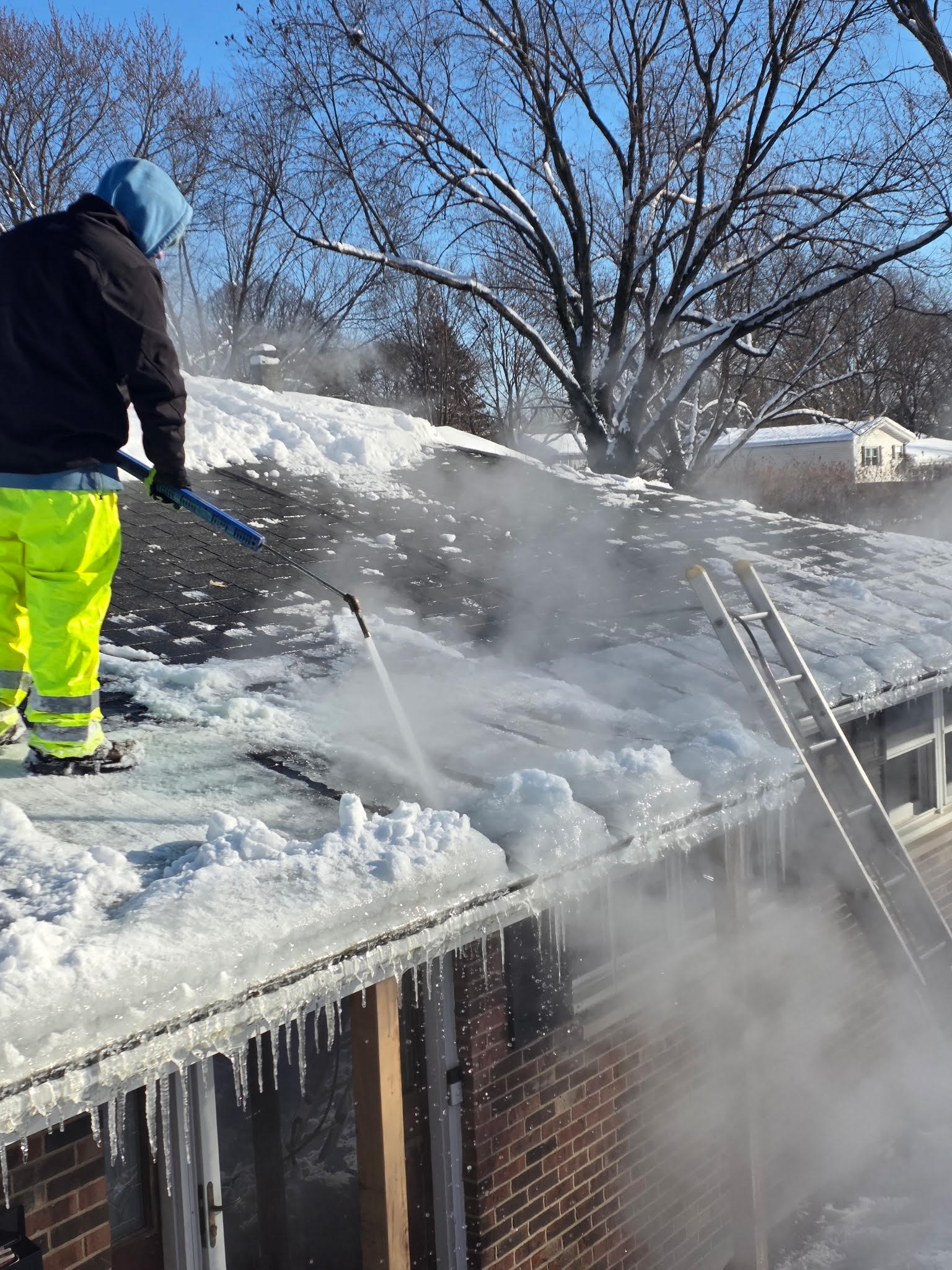
Ice Dam USA uses professional Arctic Steamers to melt roof ice obstructions using low-pressure steam. Our goal is to help restore drainage without relying on aggressive chiseling or high-pressure water blasting.
Rural roofs require more than a suburban approach
Columbus covers a large geographic area where rural residential properties and natural landscapes are a defining part of the community.
Unlike tightly developed suburbs, many Columbus homes sit on larger lots with long driveways, mature trees, detached structures and open land. Roof ice itself forms through the same melt-and-refreeze process, but the surroundings can affect how a professional crew reaches the affected roofline.
Large-lot homes
Longer driveways and buildings set farther from the street can require advance planning after significant snowfall.
Wooded properties
Tree cover can influence shade and snow retention. Branches and landscaping may also restrict access around the house.
Detached and accessory buildings
Garages, workshops and other structures may have their own heated spaces or roof conditions that require separate evaluation.
Snow can be frozen outside while melting underneath
An ice dam begins with a difference in roof temperature. Snow over a warmer section of roofing may melt even though the outdoor air remains below freezing.
Snow accumulates
A layer of winter snow settles over the roof, sometimes drifting around valleys and roof changes.
Water develops
Escaping indoor heat, sunlight or a thaw can melt part of the snowpack.
Water reaches cold areas
Meltwater flows toward an unheated overhang or another cold section.
Ice traps more runoff
Repeated freezing may form an obstruction that holds additional water against roofing materials.
If water accumulates behind the obstruction, it may reach vulnerable shingles, flashing or roof joints. Interior leaks can result, although not every winter leak is caused by an ice dam.
For a closer explanation, visit our roof ice dam education page.
Carlos Avery, Coon Lake and the I-35 corridor
The City of Columbus includes the Carlos Avery Wildlife Management Area and a broad mix of public natural land, rural residential development and commercial properties.
These local features make Columbus different from a compact city. Wooded properties, open terrain and changing access conditions may influence snow distribution and winter service preparation.
Near Carlos Avery Wildlife Management Area
Homes near extensive natural land may have wooded surroundings and greater separation from neighboring buildings. The location itself does not cause ice dams.
Coon Lake area
Residential properties near Coon Lake may have different rooflines and yard conditions. Lake proximity alone does not determine whether roof snowmelt will refreeze.
I-35E and I-35W junction
The highway junction crosses the city's southwest area. Nearby residential and commercial properties may have varied roof heights and access requirements.
Rural residential roads
A building set far back from the roadway may require clear vehicle access, particularly after snowstorms.
Signs that an ice obstruction may be holding back water
An accumulation of icicles does not always mean the roof has a damaging ice dam. The concern is whether frozen buildup is blocking normal drainage.
- A thick ice ridge near a roof edge
- Ice blocking an intersecting roof valley
- Repeated freezing above a lower roof
- Ceiling stains appearing during a winter thaw
- Moisture near an upper exterior wall
- Large ice formations above a doorway
If water is already entering the home, mention that when requesting service. The entry point can differ from where the damage becomes visible.
True low-pressure steam removal for Columbus roofs
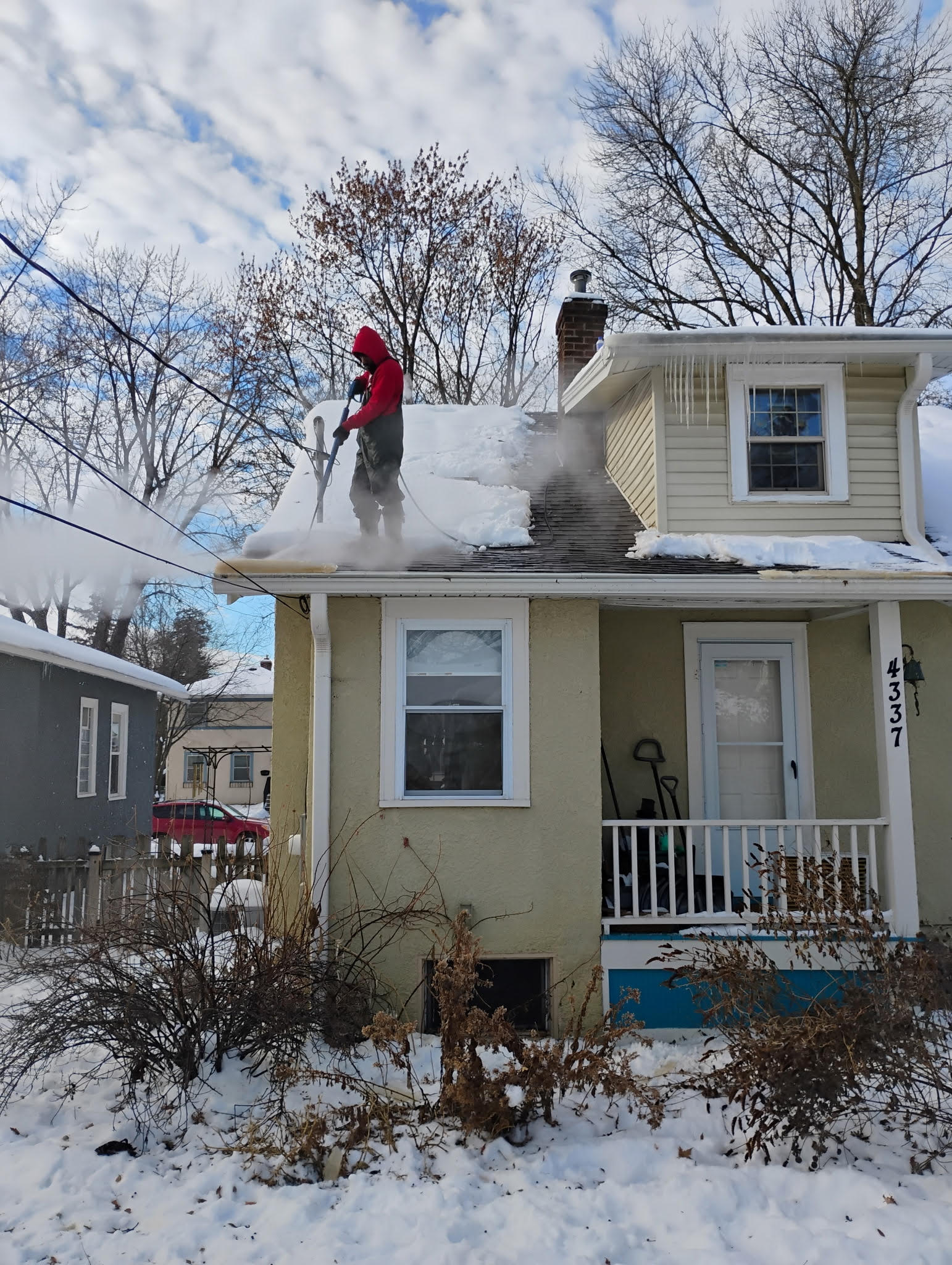
Ice Dam USA relies on professional Arctic Steamers to melt frozen roof obstructions. Steam uses heat to work through ice instead of depending on forceful water spray or aggressive scraping.
For rural Columbus properties, roof access can be an important part of planning. A house with a long driveway or a detached building may require different preparations from a residence close to the road.
The crew considers ice thickness, roof pitch, building height and existing roofing conditions before determining a suitable approach.
Before work begins, we consider:
- Where ice restricts roof drainage
- Thickness and length of the buildup
- Roof height, slope and existing condition
- Accessible areas around the building
- Driveways, fences and snowbanks
- Other structures near the roofline
- Weather and potential falling ice
A safe plan depends on the property and conditions at the time of service.
Removing ice with heat instead of forceful water spray
A hot-water pressure washer is not the same as a professional low-pressure steamer. The delivery method matters around roofing and flashing.
Arctic Steamers
- Apply professional low-pressure steam
- Use heat to melt frozen obstructions
- Support targeted ice removal
- Reduce reliance on chiseling
- Require trained operation around roofing
Conventional pressure washers
- Use heated water under spray pressure
- May force water against roofing surfaces
- Can disturb shingles when misused
- May damage vulnerable roof joints
- Are not our roof ice removal method
Where ice may collect on Columbus residential properties
Custom homes with intersecting roofs
Multiple gables and roof valleys can send runoff toward one cold drainage area, increasing the importance of its condition.
Homes with attached garages
An unheated garage roof may stay colder than a nearby roof above living space, allowing runoff to refreeze at the transition.
Heated workshops and outbuildings
Some accessory buildings may have heated interiors and snow-covered pitched roofs. Ice formation depends on their actual construction and temperature conditions.
The most useful details are the location of the frozen obstruction, its thickness, and what the affected roof section is connected to—not simply the overall size of the property.
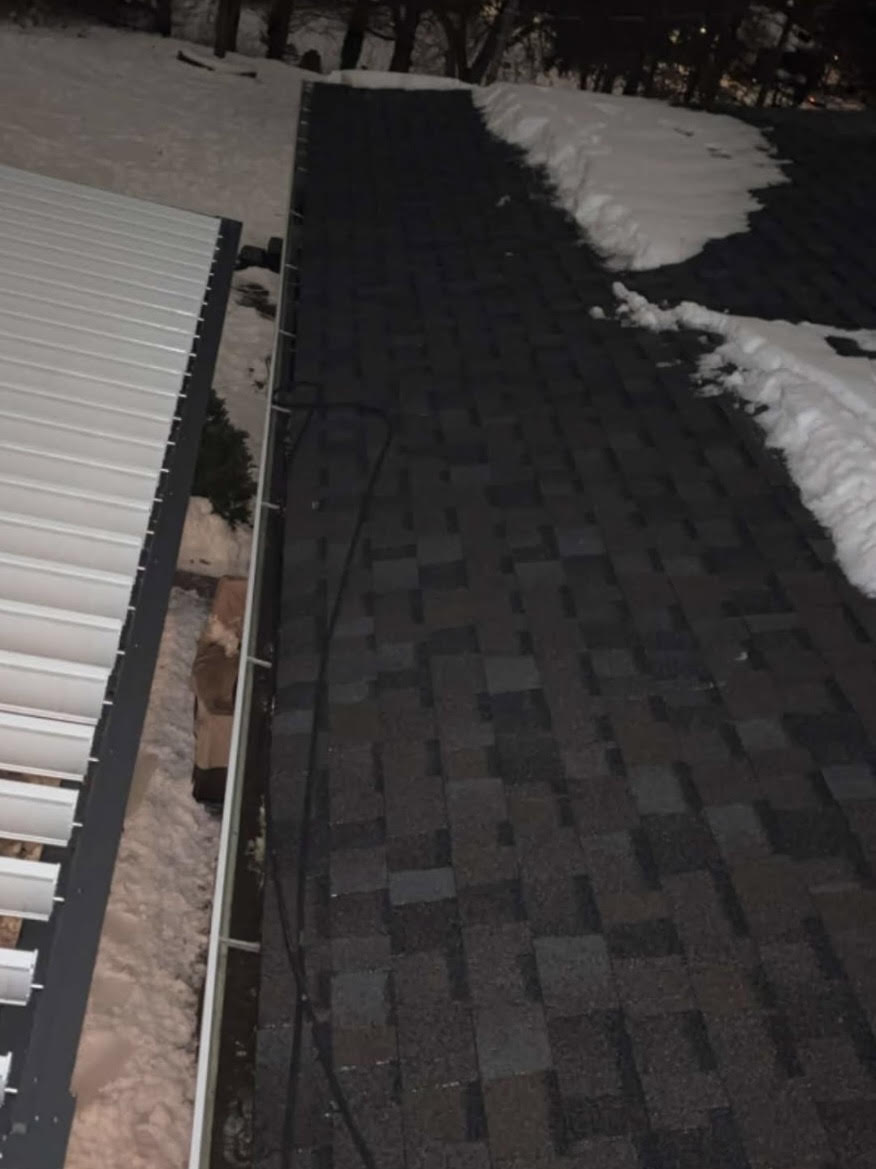
See the equipment used on actual winter roofs
These images are from Ice Dam USA project photography and are not identified as Columbus-area jobs.
Water getting into your Columbus home during a thaw?
If an ice dam traps meltwater against vulnerable roof materials, water may enter the home and travel through insulation or framing before appearing indoors.
Prioritize occupant safety. Stay clear of wet electrical fixtures, avoid sagging ceilings and move belongings only when safe. Keep people away from hanging roof ice.
Do not climb an icy roof or attempt to break away the obstruction yourself.
What professional ice removal may accomplish
Melting the obstruction may reopen drainage and reduce additional water backup.
However, water already inside the roof structure may continue moving afterward. Separate roof repairs or interior drying may still be necessary.
An immediate end to every leak cannot be guaranteed.
Emergency Ice Dam Removal InformationWhat to have ready when contacting Ice Dam USA
For Columbus properties, the service address and access conditions can be especially important because many buildings are set back from rural roads.
Give the full address
Provide the Columbus property address, building type and approximate roof height or number of stories.
Describe the frozen area
Explain where the ice is located, which roof slopes are affected and whether water is already leaking indoors.
Explain access limitations
Mention a long driveway, snowbanks, gates, wooded areas, detached buildings or restricted access to the roof.
How roof access and service conditions affect cost
Ice Dam USA publishes hourly pricing for standard and emergency, expedited or complex work. The applicable service category can depend on roof height, ice thickness, access, travel and scheduling priority.
Roof-related cost factors
- Length and thickness of the ice dam
- Roof height and steepness
- Multiple affected roof sections
- Existing roofing conditions
- Complexity of safe access
Service-related considerations
Travel requirements, weather, crew availability and the need for priority scheduling may influence the service category.
Our pricing page explains current hourly rates and appointment minimums.
View Current Ice Dam Removal RatesPreventing repeated roof ice problems on Columbus homes
Steam removal treats an existing ice dam. If freezing repeatedly occurs along the same section, the underlying snowmelt conditions may deserve additional investigation.
Attic air leakage
Warm air escaping into the attic may heat roofing beneath the accumulated snow.
Uneven insulation
Insulation gaps or inconsistent coverage can create temperature differences across a roof.
Roof transitions
Valleys and lower additions may channel runoff toward colder surfaces where water can refreeze.
A qualified roofing or building-envelope professional can investigate recurring conditions when inspection is safe.
Read About Ice Dam Prevention .Common roof ice removal questions from Columbus property owners
1. Can I request professional ice dam removal in Columbus, MN?
Yes. Ice Dam USA accepts Columbus-area roof ice removal inquiries. Availability depends on crew scheduling, weather and safe access.
2. Does Ice Dam USA work on rural residential properties?
Yes. Rural homeowners can inquire about service. Roof height, ice conditions and access are considered for each request.
3. Can a long driveway affect winter service?
Yes. Snowbanks, driveway conditions and the distance between the road and the building may affect access.
4. Do wooded Columbus properties have different ice dam risks?
Shade and wind exposure may affect snow retention, but ice dams still require melting and refreezing that restrict roof drainage.
5. Does living near Carlos Avery cause ice dams?
No. Proximity to Carlos Avery Wildlife Management Area does not directly cause roof ice dams.
6. Can homes near Coon Lake develop roof ice?
Yes. Lake-area homes can develop ice dams, although being near the lake is not the cause.
7. Can an outbuilding develop a roof ice dam?
Yes, if its roof has snowmelt and refreezing conditions that create a drainage obstruction.
8. Why does ice build up where my garage meets the house?
Runoff from a warmer roof may reach a colder garage section and freeze at that transition.
9. Are larger homes more likely to get ice dams?
Not automatically. Roof design, heat loss and snowmelt patterns matter more than building size alone.
10. Do large icicles mean water is leaking inside?
Not necessarily. Icicles can form without a significant roof drainage obstruction or leak.
11. What if I cannot see the ice beneath the snow?
Snow may hide ice near eaves and roof valleys. Avoid climbing the roof to inspect it.
12. What equipment does Ice Dam USA use?
We use professional Arctic Steamers and low-pressure steam to melt roof ice obstructions.
13. Is a hot-water pressure washer the same as a steamer?
No. Steam relies mainly on heat, whereas pressure washers deliver water under spray pressure.
14. Can steam damage roofing materials?
Any roof ice removal involves risk. Existing damage, materials, ice thickness and technique matter.
15. Should I chip the ice off the roof myself?
No. Impact tools can damage roofing and working on icy roofs presents serious fall hazards.
16. Can an ice dam cause interior water damage?
Yes. Trapped meltwater may enter vulnerable roof materials and reach insulation, ceilings or walls.
17. Will removing the ice dam guarantee my leak stops?
No. Drainage may improve, but water already inside the building can continue moving.
18. Can the same roof develop ice again next winter?
Yes. Future snowmelt and refreezing may cause another ice obstruction if conditions recur.
19. How much is ice dam removal in Columbus?
Pricing depends on the roof, access, service category and other conditions. See our current pricing guide.
20. How do I request Columbus ice dam removal?
Call 855-468-4233 or use the Ice Dam USA contact form. Include your address and details about the roof ice.
Columbus and northeastern Anoka County
Ice Dam USA welcomes inquiries from Columbus and neighboring Anoka County communities such as East Bethel, Ham Lake, Lino Lakes, Forest Lake-area properties and areas in between.
Availability depends on weather, technician scheduling and property access. These areas are service destinations, not separate Ice Dam USA offices.
Map shown for geographic reference only, not as an Ice Dam USA office location.
Nearby roof ice dam removal information
Need professional roof ice dam removal in Columbus?
Whether your roof has a frozen eave on a wooded residential lot, ice blocking a valley or water entering the building during a winter thaw, contact Ice Dam USA about professional Arctic Steamer roof ice dam removal.
Service depends on technician availability, weather, roof condition and safe access.
