
Ohio Ice Dam Removal Professional Low-Pressure Steam
Ohio winters can create serious roof ice problems. Heavy snow near Lake Erie, fluctuating temperatures in central Ohio and repeated freeze-thaw cycles can all contribute to ice dams.
When meltwater refreezes along a colder roof edge, it can form an ice ridge that prevents additional water from draining. That trapped water may find its way into vulnerable roofing.
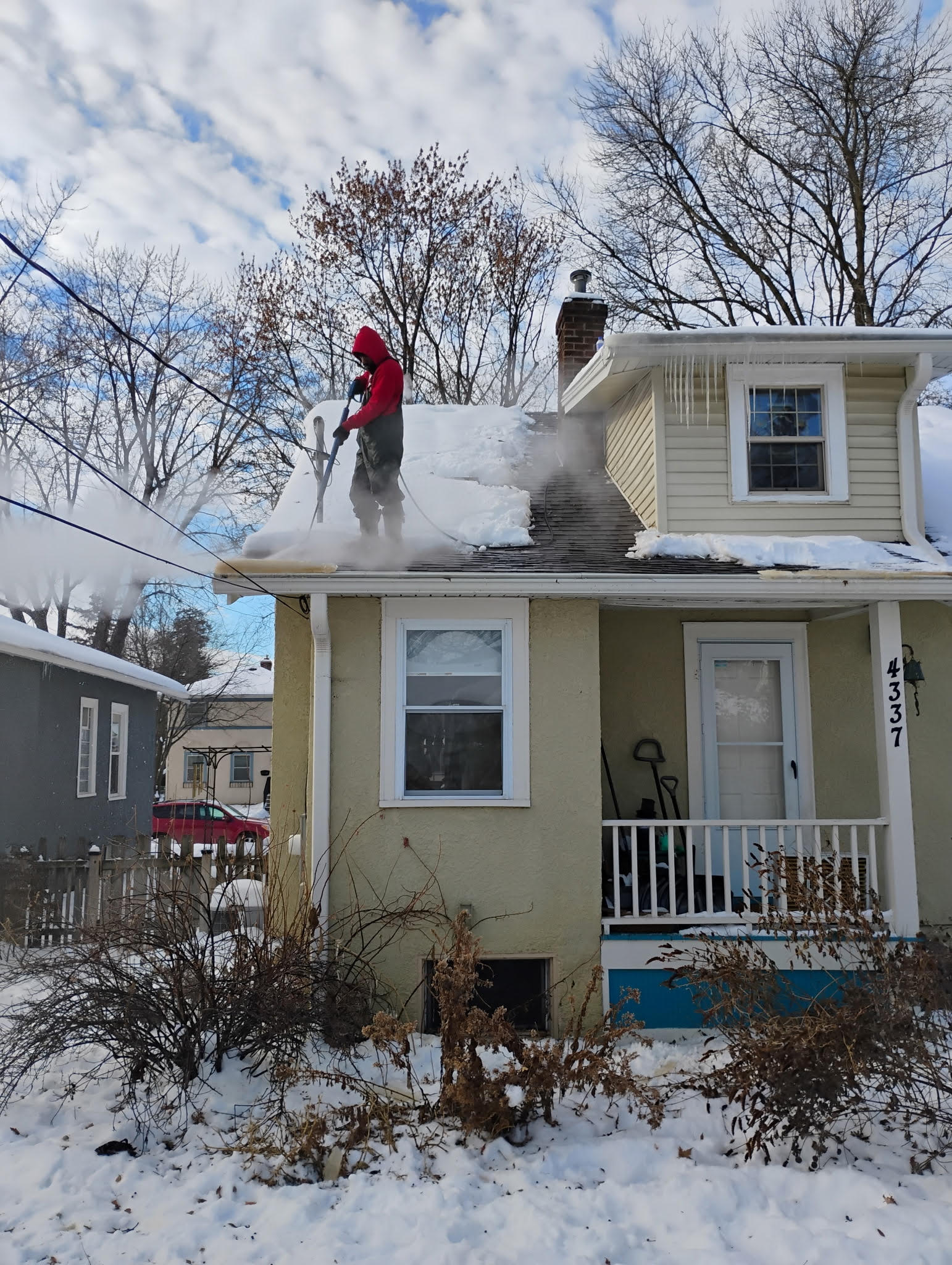
Ice Dam USA provides professional Ohio ice dam removal using Arctic Steamers and low-pressure steam. Our equipment uses heat to melt ice without relying on aggressive chopping or high-pressure washing.
We welcome service inquiries throughout Ohio, including Cleveland, Akron, Canton, Toledo, Columbus, Dayton, Cincinnati and nearby communities.
Scheduling depends on regional crew availability, weather and safe roof access.
Ohio Has Several Different Winter Roof-Ice Patterns
Ohio's northern snowbelt faces different winter conditions from its central and southern communities.
Near Cleveland and east toward Ashtabula, cold air crossing Lake Erie can create localized bands of heavy snow. Larger snow accumulations may remain on shaded roofs.
Around Columbus and Dayton, winter temperatures often move above and below freezing during successive weather systems, creating opportunities for snow to melt and refreeze.
Cincinnati-area roofs may experience shorter periods of snow cover, but a single storm followed by a hard freeze can still create ice dams.
In every region, the roof's construction and temperatures are just as important as the weather outside.
What Contributes to Roof Ice?
Lake-effect snow: Localized heavy accumulation around parts of Northeast Ohio.
Attic air leakage: Warm indoor air escaping toward roof sheathing.
Cold eaves: Roof overhangs can remain colder than heated roof areas.
Valleys and dormers: Complex rooflines may concentrate melting runoff.
Freeze-thaw weather: Repeated melting and refreezing can enlarge an existing ice ridge.
How an Ice Dam Forms on an Ohio Roof
An ice dam is a ridge of refrozen water that obstructs drainage, commonly near the eaves.
Snow Accumulates
A winter storm leaves snow across roof slopes, valleys and sheltered areas.
Snow Starts Melting
Indoor heat loss, sunlight or outdoor warming produces meltwater beneath the snow.
Water Refreezes
Runoff reaches a colder roof edge and freezes, gradually forming a barrier.
Roof Ice Challenges Across Ohio
From Lake Erie snow bands to brief winter warmups farther south, local conditions can shape how roof ice develops.
Cleveland & Eastern Snowbelt
Cleveland's eastern suburbs and communities toward Geauga and Ashtabula Counties can receive concentrated lake-effect snowfall.
Heavy snow near eaves, dormers and valleys may refreeze when roof temperatures become uneven.
Akron & Canton
Summit and Stark County homes can face persistent winter cold along with changing snow conditions.
Historic homes, porches, additions and intersecting rooflines can create different meltwater paths.
Toledo & Northwest Ohio
Toledo and nearby communities are influenced by Lake Erie weather, although storm patterns vary considerably.
Wind redistribution of snow and roof-edge temperature differences may contribute to isolated buildup.
Columbus & Central Ohio
Columbus, Dublin, Westerville, Hilliard and surrounding communities can experience multiple winter thaw-refreeze cycles after snowfall.
Air leakage and uneven insulation may warm particular roof sections.
Dayton & Miami Valley
Dayton, Kettering, Beavercreek and nearby areas may see snow followed by nighttime refreezing.
Overhangs and complex roof intersections can remain colder than the rest of the roof surface.
Cincinnati & Southwest Ohio
Cincinnati, Mason, Hamilton and neighboring communities generally have different snowfall patterns from the northern snowbelt.
Ice dams can still develop when roof snow melts toward a frozen edge.
Signs an Ohio Home May Have an Ice Dam
Thick Ice Near Eaves
A frozen ridge along the roof edge may restrict water drainage.
Ceiling or Wall Stains
Moisture appearing after snowmelt can be a sign of winter water intrusion.
Ice in Roof Valleys
Intersecting slopes may gather runoff and snow, allowing localized ice buildup.
Heavy Icicles
Hanging ice presents a falling hazard, though icicles alone don't establish an ice dam.
Uneven Snowmelt
Snow melting in isolated areas may indicate uneven roof temperatures.
Repeated Winter Leaks
Moisture returning during winter weather warrants a roofing evaluation.
Professional Ice Dam Removal With Arctic Steamers
Ice Dam USA uses Arctic Steamers and low-pressure steam to melt accumulated roof ice.
The goal is to use heat rather than high water pressure or sharp tools to remove an obstruction.
Thick ice may conceal shingles, flashing, roof valleys and other surfaces vulnerable to mechanical damage.
Technicians must consider roof condition, ice thickness, slope, safe access and prevailing weather before working.
Professional steam removal may improve drainage but cannot repair existing roof defects or guarantee the immediate end of an interior leak.
Explore Our Steam Removal Method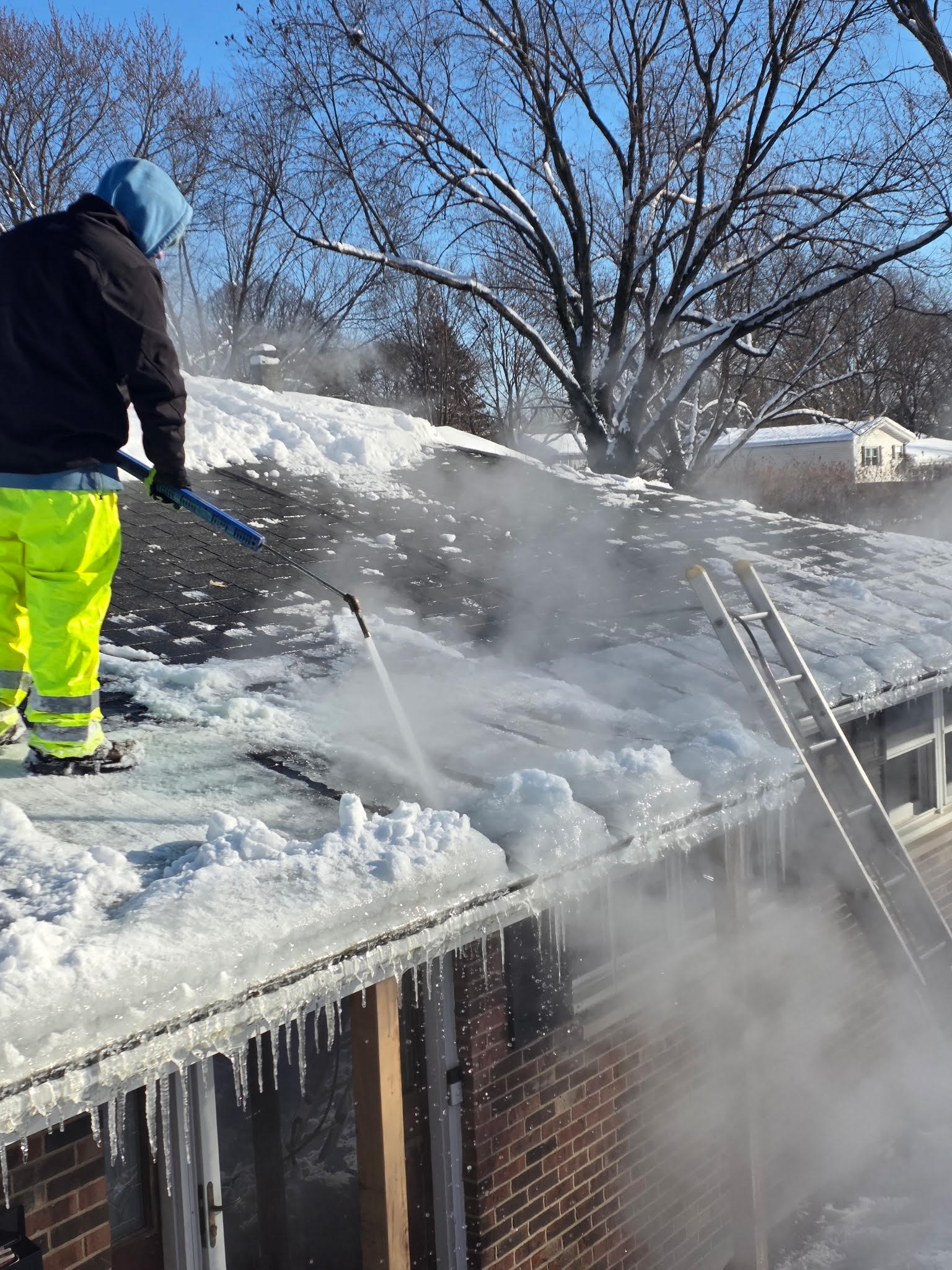
Why True Steam Is Different From Heated Pressure Washing
Equipment that heats water is not automatically the same as a low-pressure steamer.
Arctic Steamers
Professional steam equipment uses heat as the main mechanism for melting ice.
- Low-pressure steam
- Heat-based ice removal
- Less reliance on impact
- Evaluation of roofing condition
- Professional application technique
Hot-Water Pressure Washers
Pressure washers deliver liquid water through a pressurized nozzle, which can harm roofing if misused.
- Pressurized water stream
- Potential shingle-granule damage
- Risk around flashing and seams
- Water may enter vulnerable openings
- Not Ice Dam USA's chosen equipment
Roof Valleys, Dormers and Older Ohio Homes
Ohio has many housing styles, from older two-story neighborhood homes to newer construction with complex rooflines.
Dormers, attached porches and additions can create sections with different insulation and temperature conditions.
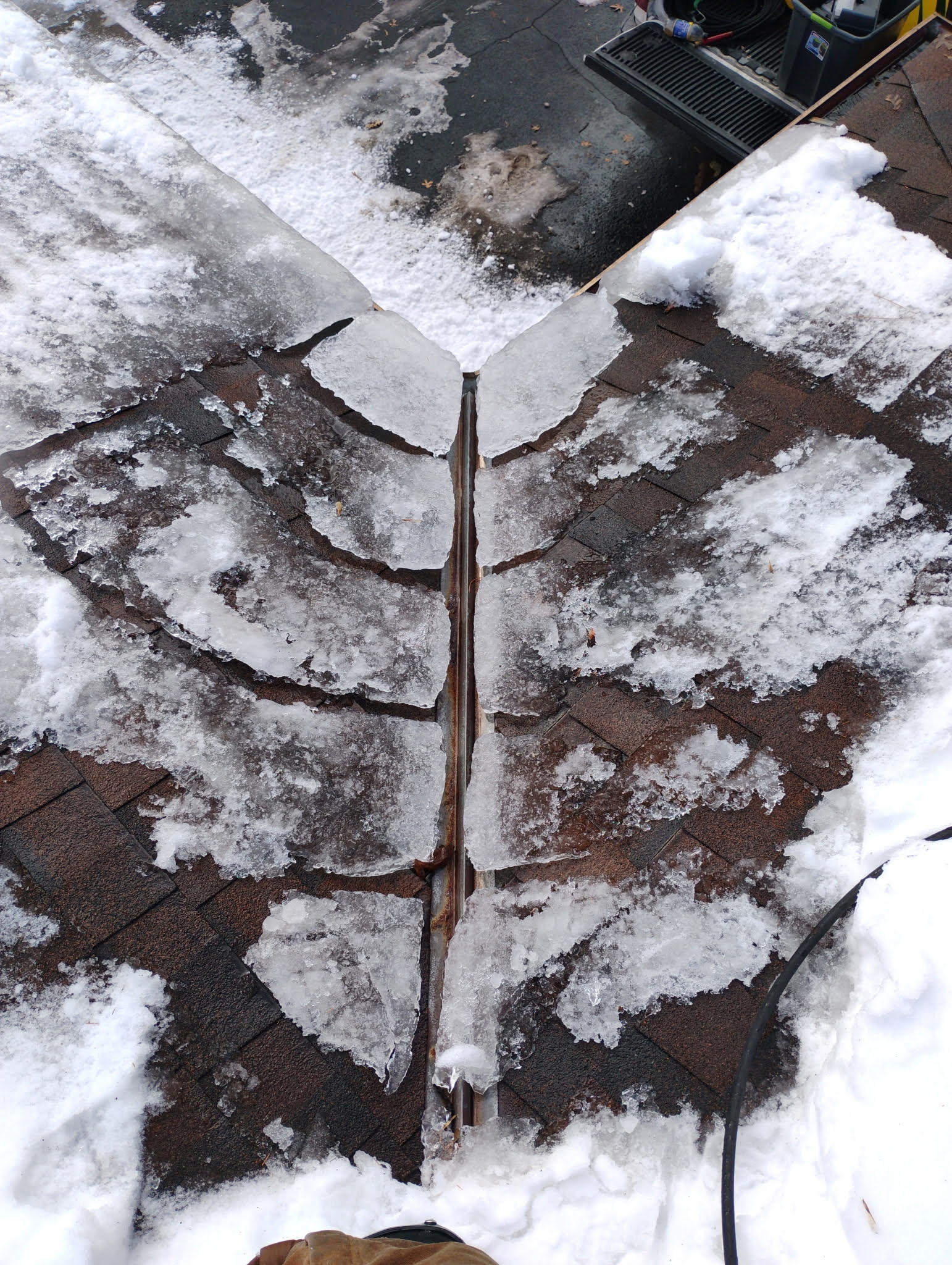
Roof valleys also direct water from multiple slopes toward a narrow drainage area. If the lower section is cold, ice may accumulate there.
The age of a house alone does not determine ice dam risk. Roof geometry, ventilation, air leakage and winter weather must all be considered.
Water Appearing on Your Ceiling During Snowmelt?
Ice dams can trap meltwater against a roof and contribute to water intrusion through vulnerable materials.
The interior stain may appear away from the actual entry point because water can travel through framing and insulation.
Steam removal may reopen drainage where ice has created an obstruction. However, water already inside the roof assembly can continue moving.
Flashing defects, deteriorated roofing and other building conditions may require separate repairs.
Call About an Active Roof LeakWhat to Do While Seeking Help
01 — Stay safe. Avoid wet electrical fixtures, falling ice and sagging ceilings.
02 — Protect belongings. Move valuables away from moisture when safe.
03 — Document conditions. Photograph visible damage and roof ice from a safe location.
04 — Avoid icy roofs. Do not attempt dangerous removal with ladders or tools.
05 — Consider follow-up repairs. A roofing or restoration professional may be needed.
Ohio Ice Dam Removal Service Inquiries
Ice Dam USA welcomes inquiries from Ohio's major regions, surrounding suburbs and smaller communities. Contact us to confirm actual availability.
Ice Dam Removal for Different Ohio Properties
Single-Family Houses
Ice may accumulate along eaves, valleys and attached roof sections.
Historic Homes
Older roof assemblies may have complex insulation or ventilation.
Townhomes and Duplexes
Shared roofing and drainage may require additional coordination.
Rental Properties
Landlords and property managers may need to coordinate access.
Commercial Buildings
Public entrances, large roofs and access issues may influence work planning.
Complex Multi-Story Homes
Roof pitch, building height and valleys affect safe removal.
Roof Ice Dams Versus Frozen Gutters
Roof Ice Dam Removal
An ice ridge develops on the roofing, preventing snowmelt from draining. This Ohio page primarily addresses roof ice dams.
Frozen Gutter Removal
Ice builds inside a gutter or downspout, potentially causing overflow, heavy icicles or stress on attachments.
Learn about our gutter ice removal service .
How Much Does Ohio Ice Dam Removal Cost?
Professional removal costs depend on roof height, slope, amount of ice, worksite accessibility and time required.
A small ice ridge on an accessible roof may require different work from extensive buildup across several valleys.
Ice Dam USA maintains current hourly rates, minimum charges and service classifications on the pricing page.
Discuss your roof, ice conditions and applicable rates before scheduling.
View Current Ice Dam Removal PricingInformation to Have Ready
Address: Exact Ohio property location.
Property: House, rental or commercial building.
Roof: Stories, pitch and access.
Ice: Roof edges or valleys affected.
Leaks: Whether interior moisture is active.
Photos: Safe ground-level photographs.
How Ohio Property Owners Can Reduce Future Ice Dams
Steam removal addresses existing ice. Reducing recurring ice dams often requires improvements to the building envelope.
Air Sealing
Reduce heated indoor air escaping into roof assemblies.
Insulation
Identify gaps and uneven attic coverage contributing to heat loss.
Ventilation Assessment
Have a qualified professional review the whole roof design.
Roof Valley Inspection
Examine areas that collect snow and concentrate runoff.
Safe Snow Management
Evaluate professional snow removal where roof conditions warrant it.
Roof Repairs
Fix damaged flashing or roofing defects identified after leakage.
How to Request Ohio Steam Ice Dam Removal
Contact Our Team
Explain where the roof ice is forming and whether water is entering.
Review Site Conditions
Discuss the address, access, pricing and technician availability.
Coordinate the Work
When service is available, technicians evaluate conditions and perform agreed removal where safe.
Ohio Ice Dam Removal Resources
Ohio Ice Dam Removal FAQs
What causes ice dams on Ohio roofs?
Meltwater from roof snow can refreeze at colder eaves and form an obstruction. Indoor heat loss, sunlight and weather conditions may contribute.
Are ice dams common around Cleveland?
Cleveland and portions of Northeast Ohio can receive heavy lake-effect snowfall. Ice dam risk depends on snow accumulation, roof temperatures and drainage.
Can ice dams form in Columbus?
Yes. Snowfall followed by roof warming and freezing along the eaves can produce ice dams in central Ohio.
Does Cincinnati get roof ice dams?
Yes. Although winter snowfall patterns differ from northern Ohio, cold roof edges and melting snow can still produce ice dams.
Can older Ohio homes develop more ice?
Uneven insulation, air leakage and complex rooflines may contribute to ice formation. Newer buildings are not immune.
Does Ice Dam USA use Arctic Steamers?
Yes. We use professional Arctic Steamers and low-pressure steam for ice dam removal.
How is steam different from pressure washing?
Steam primarily relies on heat to melt ice. Pressure washers use pressurized liquid water, which may harm vulnerable roofing if misused.
Is steam removal guaranteed damage-free?
No method is completely risk-free. Roof condition, ice thickness, weather, access and technique all affect the work.
Will removing an ice dam stop an interior leak?
Removal may improve drainage, but water already inside the roof or unrelated defects can continue causing leakage.
Can ice dams form without gutters?
Yes. A roof ice dam forms on the roofing itself and does not require a gutter.
Are large icicles always proof of an ice dam?
No. Icicles can form without a substantial roof drainage obstruction.
Do you remove ice on commercial buildings?
We welcome commercial service inquiries. Availability depends on roof design, access, crew coverage and working conditions.
How much does Ohio ice dam removal cost?
Cost depends on the property and work required. See our current pricing guide for hourly rates and service minimums.
Does homeowners insurance cover ice dam damage?
Coverage varies by policy, cause of loss and insurer. Contact your insurance company about any potential removal or water-damage coverage.
How can I reduce repeat ice dams?
Attic air sealing, appropriate insulation, ventilation evaluation and roofing repairs may help reduce recurring problems.
Heavy Roof Ice or Winter Roof Leaks in Ohio?
From Lake Erie snowbelt ice buildup around Cleveland to frozen roof edges in Columbus, Dayton, Toledo and Cincinnati, contact Ice Dam USA about professional low-pressure steam removal and regional availability.
Call 855-468-4233 Request Ohio Ice Dam Removal