
Ice Dam USA / Nebraska
Nebraska Ice Dam Removal.
When wind-driven snow turns into stubborn roof ice, removing the blockage requires the right equipment and a careful approach.
Ice Dam USA specializes in professional low-pressure steam ice dam removal. Our company uses Arctic Steamers to melt frozen roof ice instead of depending on high-pressure water blasting or aggressive chopping.
From homes in Omaha and Lincoln to properties across central and western Nebraska, ice dams can develop when melting snow refreezes along a colder roof edge.
We are a family-owned company with more than 30 years of ice dam industry experience. Contact us to determine whether Nebraska service can be arranged for your property.
Nebraska is a proposed expansion market. Appointments depend on confirmed dispatch capability, travel, weather, and safe access.

Across Nebraska, wind changes where snow collects.
Nebraska ice dams are influenced by more than the amount of snow falling during a winter storm.
Strong prairie winds can move snow away from exposed roof sections and concentrate it in sheltered valleys, around dormers, and near changes in roof elevation.
Eastern Nebraska experiences periods of freezing precipitation and winter temperature swings, while western portions of the state can experience colder, windier conditions and significant blowing snow.
After a storm, sunlight, warmer outdoor temperatures, or heat escaping from the building may begin melting roof snow.
Water flowing down the roof can freeze again when it reaches a colder eave. Repeated freezing can eventually create a barrier that restricts drainage.
Learn more about the science behind what causes roof ice dams .
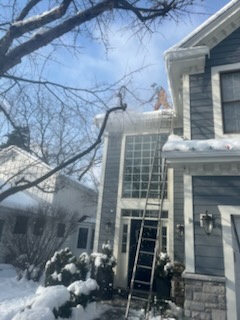
Why roof ice can develop even after the storm has passed.
An ice dam forms when melting roof snow is prevented from draining because it refreezes in a colder section of the roof.
Snow settles unevenly
Wind can create deep snow pockets near roof valleys, additions, dormers, or sheltered roof transitions.
Melting begins
Warm attic air, solar heating, or rising outdoor temperatures can melt part of the snow covering the roof.
Water freezes again
Meltwater can refreeze along roof overhangs that remain colder than the rest of the roof surface.
An ice ridge grows
Continued melting and freezing may create enough ice to stop additional water from draining normally.
Water backs up
Meltwater trapped behind the ice can reach vulnerable shingle edges, flashing, or other roof details.
Ceiling leaks appear
Water entering the roof assembly may lead to stains, damp insulation, damaged drywall, or interior leaks.
Is your Nebraska roof leaking after snow and freezing temperatures?
A leak does not always mean the roofing itself has failed. Sometimes the problem begins at a frozen roof edge that traps melting snow. Other roofing defects can cause similar symptoms.
Read our guide explaining why ceilings can leak during winter and how to recognize an ice dam .
Ice dams are not simply a snow problem. They're a drainage problem created when melting snow refreezes in the wrong place.
Why True Steam Is Better for Ice Dam Removal.
Professional ice dam removal should focus on melting the frozen obstruction while protecting the roof materials underneath.
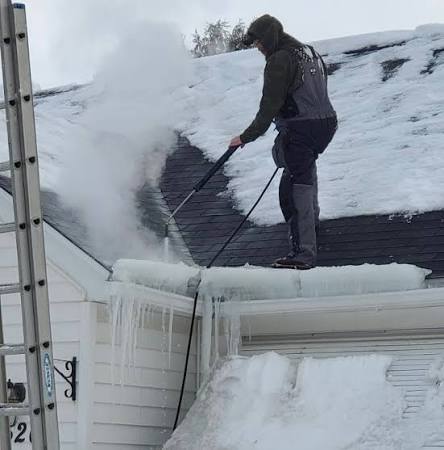
Ice Dam USA uses purpose-built Arctic Steamers designed to deliver high-temperature steam at low pressure.
Our technicians use heat to work through frozen buildup instead of relying on forceful impact or high-pressure water blasting.
This distinction matters around shingles, flashing, valleys, gutters, and roof intersections, where aggressive methods can damage vulnerable materials.
A hot-water pressure washer is not necessarily a true low-pressure ice dam steamer. The equipment and the way heat is applied are important.
No removal process can guarantee a damage-free outcome on every roof. Existing damage, ice thickness, roof access, and technique affect the work.
For more detail, compare true steam equipment with hot-water pressure washers .
From Omaha and Lincoln to the Panhandle and Sandhills.
Nebraska's roof types and winter conditions vary by region. Explore the communities below and contact Ice Dam USA to check actual service availability.
Omaha & Douglas–Sarpy Metro
Omaha has a mix of older neighborhoods, modern subdivisions, multi-story homes, and commercial buildings.
Snow drifting around roof intersections, dormers, and attached garages can create uneven accumulation. Repeated temperature changes may contribute to roof-edge ice during winter.
Lincoln & Surrounding Communities
Lincoln-area homes include established neighborhoods, mid-century construction, newer residential development, and properties with multiple roof elevations.
Frozen roof edges may appear after snow accumulation followed by thawing. Older roof additions and valleys deserve attention when water repeatedly enters the same area.
Grand Island, Hastings & Kearney
Central Nebraska's Tri-Cities region includes homes, warehouses, agricultural properties, and commercial buildings across the Platte River corridor.
Open exposure can produce wind-driven snow accumulation in sheltered roof sections. Flat and low-slope roofs may have separate drainage concerns from pitched residential roofs.
Norfolk, Columbus & Fremont
Northeastern Nebraska includes established residential areas, rural communities, and agricultural buildings exposed to strong winter winds.
Snow can collect unevenly along valleys and leeward roof sections. On suitable roof assemblies, melting beneath the snow can refreeze near the colder eaves.
North Platte & Platte Valley
The North Platte region experiences open-plains weather, periods of blowing snow, and significant winter temperature fluctuations.
Detached garages, large overhangs, and mixed roof elevations can develop different snow and ice patterns during the same winter storm.
Scottsbluff & the Panhandle
Western Nebraska's Panhandle has broad plains, elevated terrain, strong winds, and winter storms that may leave concentrated drifting in sheltered areas.
Snow that persists on shaded rooflines can contribute to refreezing where meltwater reaches a colder roof edge. Travel and weather are important service-planning considerations here.
What about the Sandhills and smaller Nebraska towns?
The regional guide is not limited to metropolitan communities. Ice dam questions can also come from rural homes and properties around Valentine, Ainsworth, Broken Bow, O'Neill, Thedford, and surrounding areas.
These are geographic references, not confirmed crew locations. Contact Ice Dam USA with your address to determine whether service can be arranged.
Nebraska Ice Dam Removal Area Map.
The map highlights Nebraska as the geographic subject of this page, including the Omaha and Lincoln areas in the east and the wider communities of central and western Nebraska.
Ice Dam USA is Minnesota-based. Before accepting a Nebraska appointment, the company must confirm available crews, winter travel requirements, equipment, and safe access.
The map does not represent an Ice Dam USA office, permanent crew location, or guaranteed service territory.
Geographic reference only. Nebraska dispatch coverage has not yet been confirmed.
Ice dams affect more than one type of roof.
A residential roof edge, a commercial roof drain, and a complicated roof valley each require different evaluation.
Houses, Townhomes & Rural Homes
Roof ice may develop above an attached garage, near a dormer, along a porch roof, or at an older home addition.
Many residential ice dams are connected to heat escaping into the attic and melting snow from below. Sun exposure and changing temperatures can also contribute.
Learn about professional residential ice dam removal .
Apartments, Offices & Managed Buildings
Larger buildings may have parapets, roof transitions, internal drainage, and equipment that affect snow and ice accumulation.
Safe ice removal can require additional coordination with building management, maintenance personnel, and qualified roofing or structural professionals.
What happens when you contact Ice Dam USA?
The roof conditions and your location determine the next steps.
Tell Us About the Roof
Provide your Nebraska address, approximate roof height, the affected areas, and whether water is actively entering the building.
Clear photographs taken safely from the ground can be helpful.
Review the Conditions
The team considers the extent of the ice, roof pitch, access, snow accumulation, and available equipment.
For Nebraska inquiries, dispatch and travel feasibility must also be confirmed.
Discuss the Scope
If the project can be accepted, our team explains the service scope, scheduling, and applicable pricing before work is confirmed.
Safety and weather conditions can affect any proposed appointment.
How much does ice dam removal cost?
The cost of professional ice dam removal depends on the building, amount of accumulated ice, roof pitch, height, accessibility, and service requirements.
A straightforward roof edge differs from a complex multi-level roof with ice around several valleys or dormers.
For an out-of-market location such as Nebraska, travel and crew availability may also affect whether the project can be scheduled and which service rate applies.
Ice Dam USA maintains its current rates, minimum charges, and billing details on one dedicated page.
What Should You Provide?
The more accurately you can describe the problem, the easier it is to evaluate the request.
- Property address and city
- Residential or commercial building
- Approximate roof height and slope
- Locations of visible ice buildup
- Photos taken from a safe position
- Any active interior leaks
- Gutter or downspout involvement
- Preferred service timing
Actual pricing and scheduling must be confirmed with our team.
Specialized equipment. Real Ice Dam USA photographs.
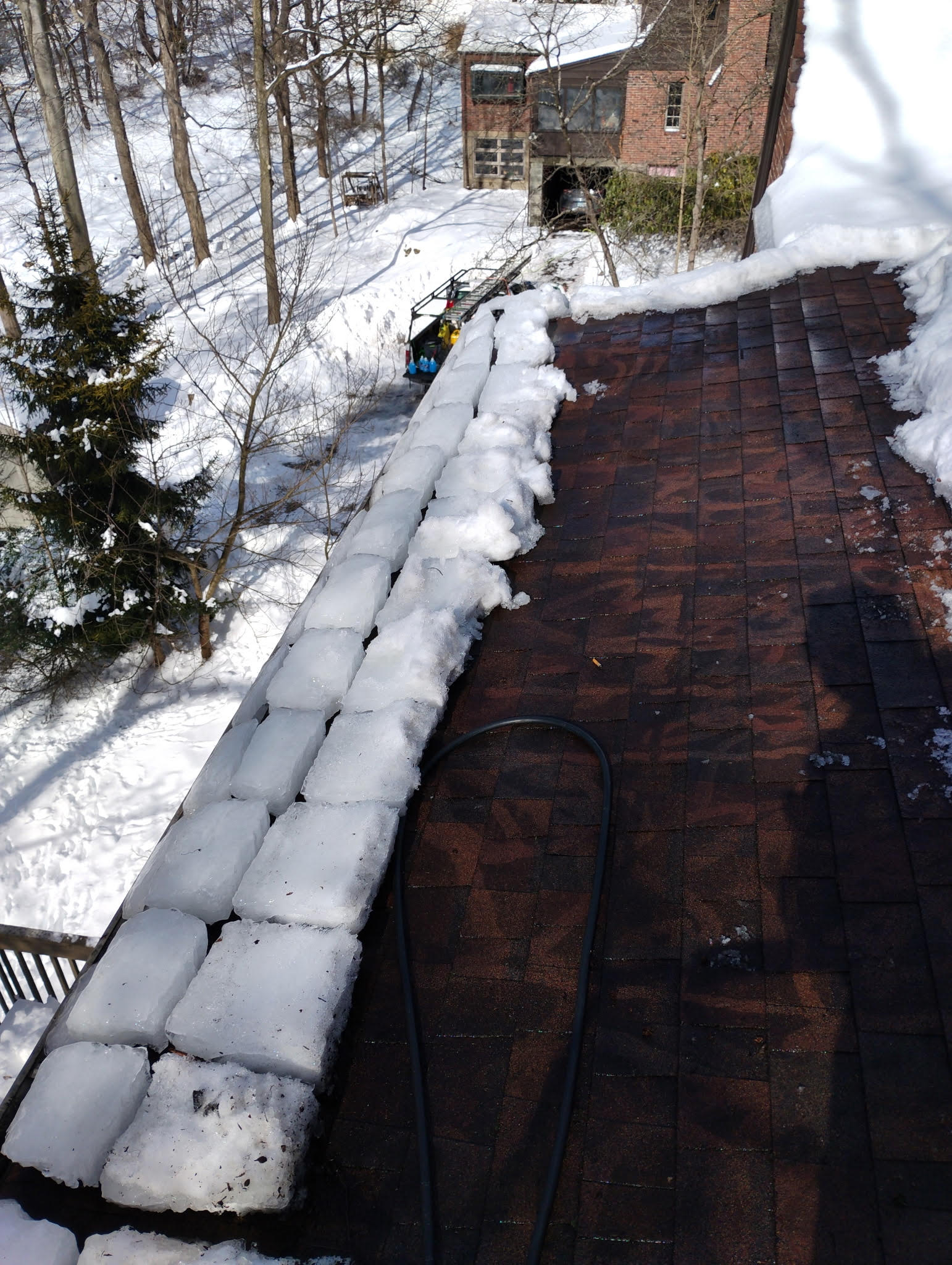
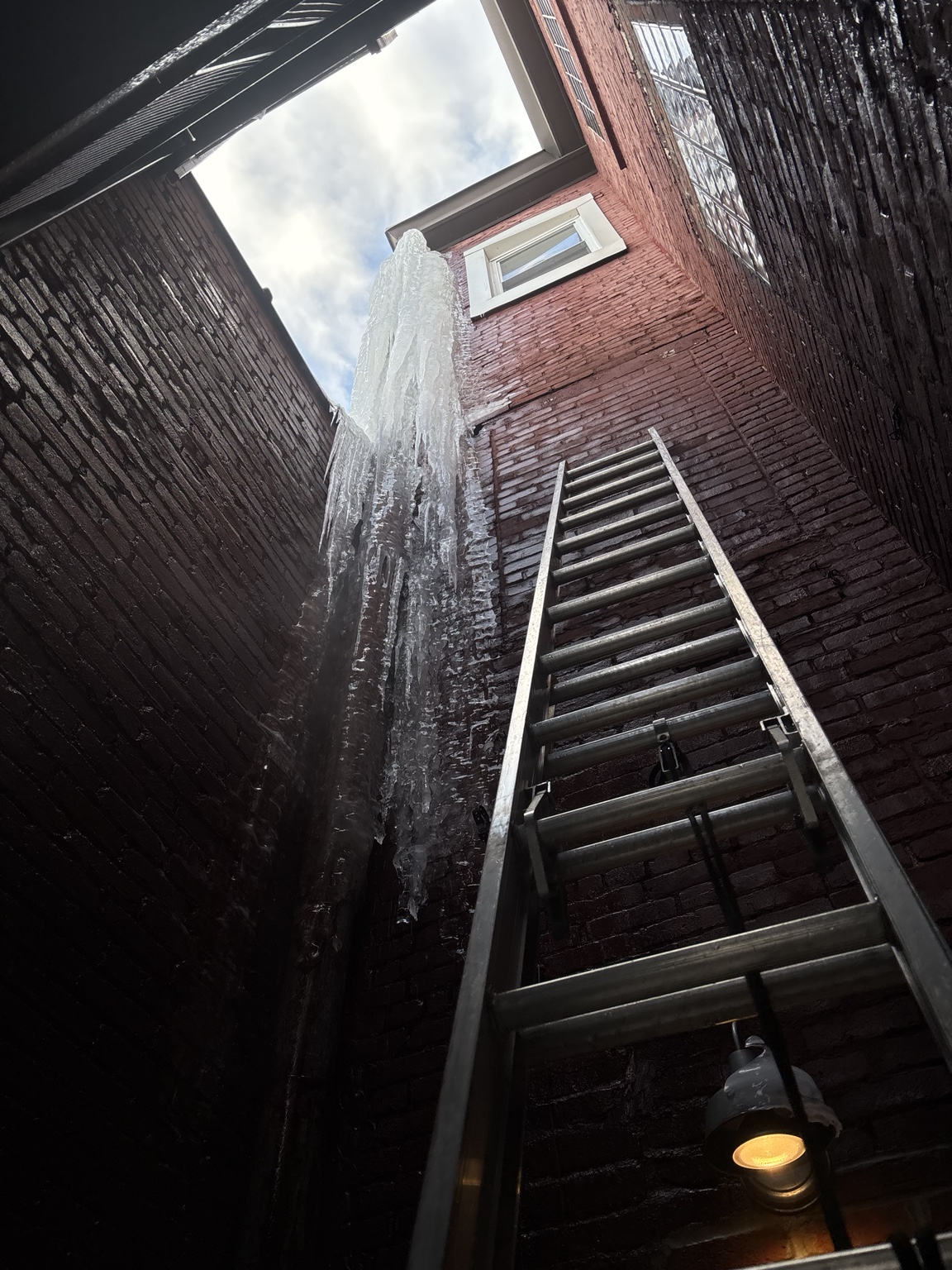
These photographs show Ice Dam USA's equipment and winter roof conditions. They are examples from the company's broader project gallery, not representations of Nebraska jobs.
Questions about Nebraska roof ice dam removal.
Understanding how roof ice forms and how removal works can help homeowners make better decisions during winter weather.
Does Ice Dam USA provide ice dam removal in Nebraska?
Nebraska is a potential expansion market. Contact Ice Dam USA with your address to determine whether service can be arranged. We do not claim permanent Nebraska offices or guaranteed dispatch until coverage is confirmed.
Can ice dams form on Omaha and Lincoln homes?
Yes. Ice dams can form wherever melting roof snow refreezes near a colder roof edge. Omaha and Lincoln homes may experience this during periods of snow accumulation followed by melting and refreezing. Roof insulation, attic air leakage, shading, and roof design can influence the risk.
How do you remove ice dams from a roof?
Professional removal may use controlled low-pressure steam to melt and separate accumulated ice without relying on aggressive chopping or high-pressure washing. Safe access, roof condition, weather, and ice thickness must be assessed before starting the work.
Can Nebraska's strong winds contribute to ice dams?
Yes. Wind can move snow into sheltered areas such as valleys, dormers, and roof transitions. Those snow pockets may provide a continuing source of meltwater when warmer conditions or heat loss cause melting. Ice forms if that water refreezes in colder roof sections.
What is the best way to get rid of a large ice dam?
Substantial roof ice should be evaluated by a qualified professional. Ice Dam USA uses true low-pressure steam because heat can work through ice without relying on sharp impact tools. Avoid walking on icy roofs or striking ice with hammers, axes, or chisels.
Will melting an ice dam stop a roof leak?
Removing the ice obstruction may help restore roof drainage and reduce additional water backup. However, water already inside the roof assembly may continue to appear indoors. Existing roofing damage or wet insulation may require separate repairs.
Can I use hot water or a pressure washer to remove ice dams?
Improperly applied hot water or high-pressure washing can damage roofing materials and increase the risk of water intrusion. A hot-water pressure washer is not the same as a purpose-built low-pressure ice dam steamer. Learn about steam versus pressure washer removal .
Does removing snow from a roof eliminate ice dams?
Removing accessible roof snow can reduce the amount available to melt and refreeze, but it does not automatically remove an existing ice dam or resolve the underlying heat-loss problem. See our ice dam prevention guide .
What if an ice dam forms inside a gutter?
Frozen gutters can obstruct drainage and contribute to roof-edge ice problems. Roof ice dams and gutter ice buildup are related but distinct issues. Ice Dam USA has a separate gutter ice removal service with information about frozen gutters and downspouts.
Can ice dams occur on roofs without gutters?
Yes. Gutters are not required for ice dams to develop. Meltwater can refreeze along a cold roof overhang and create an obstruction even on a building without gutters.
Does an ice dam always cause roof damage?
No. Some ice dams form without producing an immediate leak. However, trapped meltwater increases the chance of water reaching vulnerable roofing joints and entering the building. Visible ice should be evaluated in the context of actual roof conditions.
How much does professional ice dam removal cost in Nebraska?
Ice Dam USA publishes its current hourly rates, minimum service charges, and billing policies on the ice dam removal cost page . Nebraska service and applicable travel requirements must be confirmed before scheduling.
Why do ice dams return after being removed?
Removing the existing ice does not necessarily correct attic air leakage, insufficient insulation, uneven roof temperatures, or other contributing factors. Long-term improvements may be needed to reduce recurring ice dam formation.
How do I request ice dam removal for a Nebraska property?
Call 855-468-4233 or contact Ice Dam USA online . Provide the address, building type, roof conditions, affected areas, and any active leaks. We'll discuss whether the project can be accepted.
More winter roof expertise from Ice Dam USA.
Explore our educational guides and professional services for different ice dam and winter roof problems.
Professional Ice Removal Services
Homeowner Education
Nearby State Information
Ice Dam USA also maintains existing state pages covering neighboring northern markets.
State pages provide information specific to their markets. Scheduling and service availability may vary.
Ice Dam USA / Nebraska Inquiries
Have an ice dam or water coming through your ceiling?
Tell us where the problem is occurring, what the ice looks like, and whether water is entering your home or building.
We'll discuss the conditions and whether professional Nebraska service can be arranged.
