
Vermont Ice Dam Removal.
Professional roof ice dam removal across the Green Mountain State using Arctic Steamers and low-pressure steam.
Vermont winters bring deep mountain snow, long stretches of freezing temperatures, and periodic thaws that can create dangerous roof ice buildup.
Ice Dam USA helps homeowners, businesses and property managers address ice dams that obstruct roof drainage and contribute to winter water damage.
We welcome service inquiries throughout Vermont, including Burlington, Montpelier, Rutland, Stowe, Brattleboro and surrounding communities.
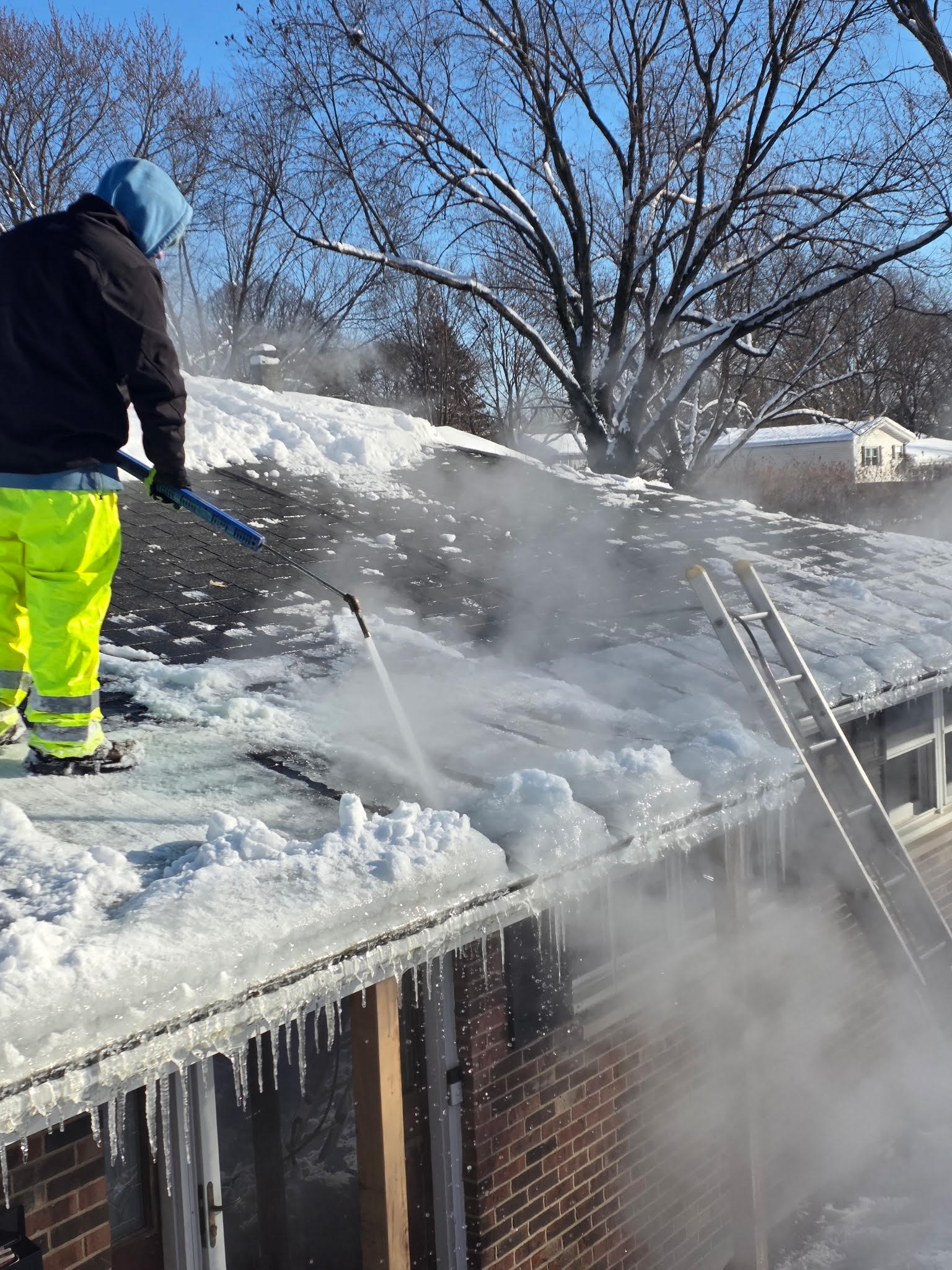
Why Vermont roofs experience serious winter ice buildup.
Vermont's geography creates a wide variety of winter roof conditions. The Green Mountains receive substantial snowfall, while the Champlain Valley and southern Vermont experience different combinations of snow, cold weather and winter thaws.
Ice dams form when meltwater reaches a colder section of roof and refreezes. The growing ridge of ice obstructs normal drainage and may trap additional meltwater uphill.
Over time, trapped water can work through vulnerable roofing joints, flashing and other openings, potentially causing interior water damage.
Building heat loss can contribute to this process. Warm air leaking into an attic may heat portions of the roof deck, melting snow even while outdoor temperatures remain below freezing.
Older Vermont homes, mountain cabins, condominiums and newer properties can all develop ice dams when conditions are right.
Learn what causes roof ice dams .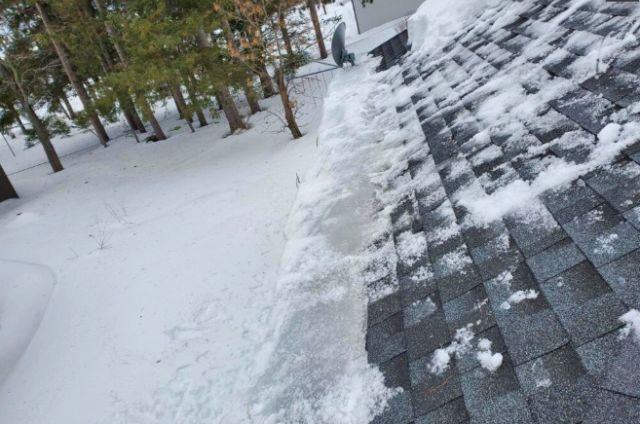
What makes Vermont ice dam problems different?
Roof shape, snow depth, exposure and building heat transfer all influence ice dam formation.
Green Mountain snowfall
Mountain communities such as Stowe and Killington can experience long-lasting snow cover. Accumulated snow may conceal ice forming near roof edges and valleys.
Historic Vermont housing
Older homes in Burlington, Montpelier and other communities may have dormers, additions or uneven insulation that affect roof temperatures and drainage.
Chalets and A-frame roofs
Steep mountain rooflines can create challenging access conditions. Snow movement and roof transitions may concentrate ice in particular areas.
Shaded roof slopes
Wooded lots and north-facing sections may remain colder than neighboring roof surfaces, creating areas where flowing meltwater refreezes.
Seasonal vacation properties
An unoccupied ski cabin or vacation home may accumulate roof ice before anyone notices water entering indoors.
Freeze-thaw weather cycles
Winter temperature changes can produce meltwater while colder roof edges remain frozen, contributing to expanding ice ridges.
How a roof ice dam develops.
Snow collects.
Winter snowfall covers the roof and settles around valleys, dormers and roof transitions.
Snow begins melting.
Building heat, sunlight or a temporary warmup creates meltwater beneath or within the snowpack.
Water refreezes.
Meltwater travels downhill toward colder roof sections and freezes, building a ridge of ice.
Water becomes trapped.
Additional meltwater can accumulate behind the ridge and enter vulnerable roofing details.
Why Ice Dam USA uses Arctic Steamers.
The removal method matters because roof ice is often attached directly to vulnerable roofing materials.
Ice Dam USA uses professional Arctic Steamers to apply low-pressure steam. Heat melts the ice rather than relying on aggressive physical impact or a high-pressure water jet.
Technicians must evaluate roof slope, building height, roofing materials, ice thickness and safe access before determining the appropriate approach.
Arctic Steamer
- Uses heat to melt roof ice.
- Low-pressure steam application.
- Allows targeted removal of ice ridges.
- Reduces the need for aggressive chopping.
- Requires careful operator technique.
Hot-Water Pressure Washer
- Uses heated water under pressure.
- May be designed for surface cleaning.
- Aggressive spray can damage shingles.
- Can affect vulnerable flashing and roof joints.
- Is not our chosen ice dam removal method.
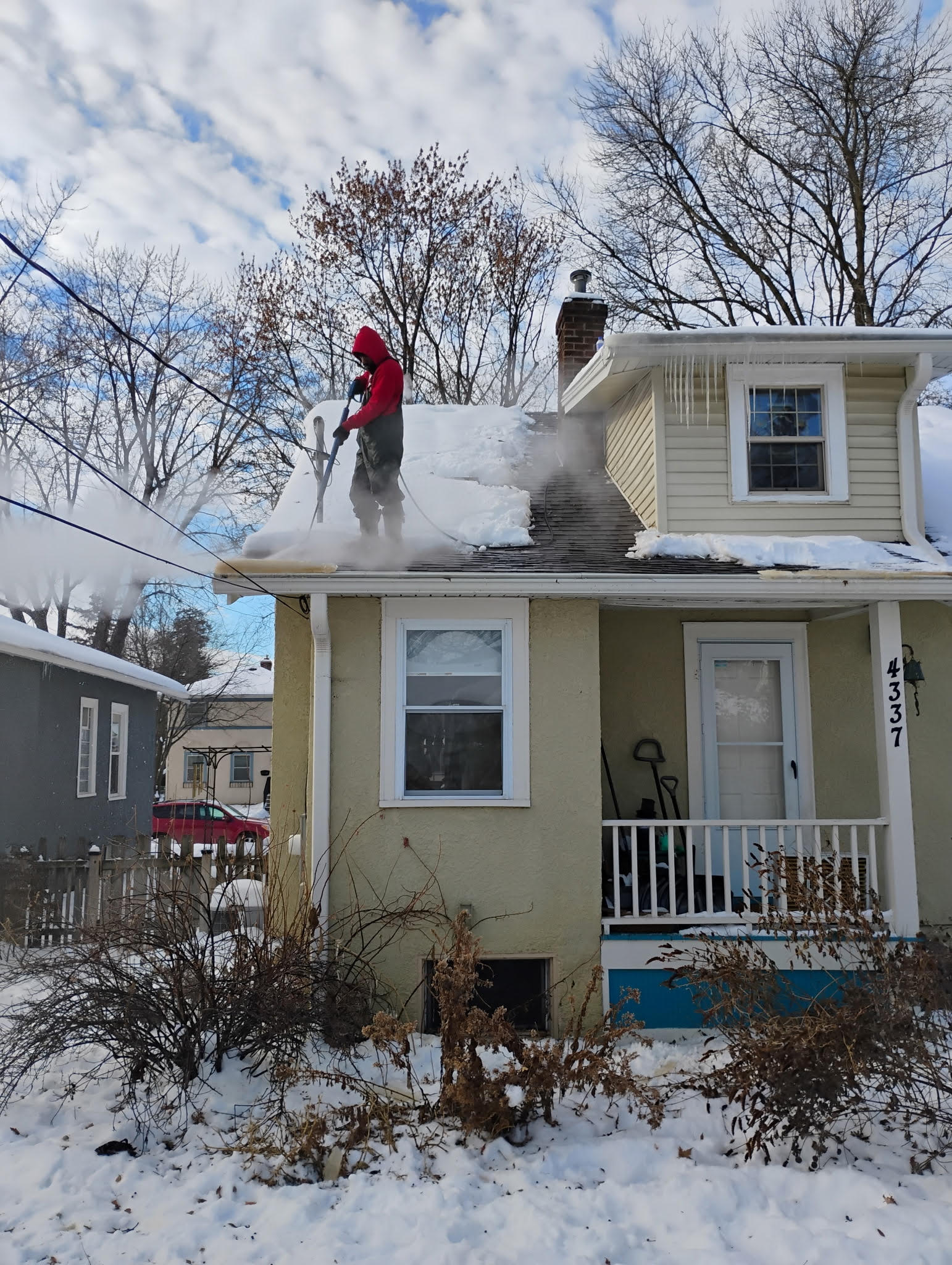
See professional ice dam removal in action.
These photographs document actual Ice Dam USA work and winter roof conditions. They are not presented as individual Vermont customer projects.
Water leaking into your Vermont home?
Ice dams can restrict roof drainage and cause meltwater to collect behind an ice ridge.
That water may enter through vulnerable roof details and move through attic spaces, walls or ceilings before becoming visible.
What to do immediately
- Stay clear of wet electrical fixtures.
- Keep away from sagging ceilings.
- Move belongings if it is safe.
- Photograph visible water damage.
- Never climb onto a frozen roof.
- Contact qualified removal help.
Professional removal may reopen drainage, but existing moisture inside the roof assembly can continue moving. Separate roofing repairs may also be necessary.
Useful information when calling
- Your Vermont property address
- Approximate building height
- Location of the visible ice
- Whether water is actively leaking
- Roof pitch and access challenges
- Available ground-level photographs
Emergency inquiries are accepted 24/7. Dispatch depends on crew availability, weather and safe access.
Signs a Vermont roof ice dam needs attention.
Thick ice near the eaves
A substantial ridge of ice along the roof edge may obstruct meltwater drainage.
Interior ceiling stains
New discoloration or dampness during winter may indicate water entering the roof assembly.
Ice in roof valleys
Where slopes converge, meltwater can become concentrated and create difficult accumulations.
Leaks during a thaw
Temporary warming may produce meltwater even while existing ice remains along colder roof edges.
Ice around dormers
Dormers and additions create roof intersections where snow and water may collect differently.
Repeated ice in one location
Recurring buildup may indicate a persistent heat-loss or roof-design problem.
Ice dam removal service throughout Vermont.
Ice Dam USA coordinates regional service requests across the state, from the Champlain Valley to the Green Mountains and southern Vermont.
Actual service availability depends on the property location, technician schedule, winter travel and safe access. The communities listed below are service inquiry areas, not claims of separate permanent offices.
Burlington & the Champlain Valley
Older residential rooflines, dormers, attic heat loss and temperature differences can contribute to ice dam formation around Lake Champlain.
Montpelier, Barre & Central Vermont
Historic homes and mixed roof designs may create vulnerable ice buildup areas around eaves, dormers and valleys.
Rutland & Killington Region
Mountain snowfall, vacation properties and complex roof elevations can produce challenging winter ice conditions requiring careful access.
Stowe & Northern Green Mountains
Snow-heavy winters, shaded slopes and chalet-style architecture can contribute to recurring ice accumulation.
Brattleboro & Southern Vermont
Changing winter temperatures and older roof designs can create conditions for meltwater to refreeze along colder eaves.
Bennington & Southwestern Vermont
Historic buildings, mountain properties and rural homes can experience ice buildup across different roofing configurations.
Middlebury & Addison County
Homes along the Champlain Valley and Green Mountain foothills can develop roof ice during prolonged snow cover and refreezing.
Northeast Kingdom & Northern Vermont
Long winters and rural access can complicate ice dam removal, particularly at seasonal homes and remote properties.
Residential and commercial ice dam removal.
Single-family homes
Professional roof ice removal for affected eaves, dormers, valleys and other problem areas.
Historic Vermont homes
Older roofing materials and complex architecture require careful condition assessment.
Ski cabins and chalets
Steep roofs, deep snow and seasonal occupancy may complicate winter ice problems.
Vacation rental properties
Hosts and property managers may need removal assistance during occupied winter stays.
Condos and apartments
Multifamily projects may involve shared rooflines and additional access and coordination requirements.
Commercial properties
Commercial service inquiries are reviewed based on roof conditions and safety requirements.
Learn more about our residential ice dam removal services.
How much does ice dam removal cost in Vermont?
Pricing depends on the amount of ice, roof height, slope, accessibility, scheduling and project duration.
Important pricing factors
- Length and thickness of ice buildup
- Roof height and pitch
- Complex valleys and roof transitions
- Number of affected roof sections
- Safe access and equipment requirements
- Remote property travel considerations
- Applicable service rates and minimums
We maintain current rates and booking requirements on our published pricing page rather than repeating figures that may change.
Preparing for a service request
When contacting Ice Dam USA, please provide:
- Your property address
- Approximate building height
- Where ice is accumulating
- Whether water is entering indoors
- Any difficult access conditions
- Ground-level photographs if available
Never climb an icy roof or ladder to obtain photographs.
Request Service InformationWhy ice dams may keep returning to the same roof.
Professional steam removal addresses existing ice, but it does not necessarily correct the building conditions causing it.
A roof that repeatedly develops ice dams may benefit from an evaluation of attic heat loss, insulation, ventilation and roof design.
Potential areas to investigate
- Attic air leakage
- Insulation gaps
- Ventilation performance
- Roof valleys and intersections
- Flashing and roofing conditions
- Unusual snow accumulation patterns
This can be particularly important for Vermont mountain homes where heavy snow remains in place for long periods.
Removal and prevention are different.
Steam removal helps address the immediate obstruction.
Long-term improvements may require qualified insulation, ventilation or roofing professionals.
Addressing the underlying causes may reduce future ice accumulation.
Explore the Ice Dam Learning CenterHow to request professional Vermont ice dam removal.
Describe your roof.
Tell us where the property is located, the visible ice conditions and whether water is entering the building.
Review service availability.
Our team can discuss pricing, regional scheduling, weather, equipment access and safety requirements.
Coordinate steam removal.
When scheduled, technicians evaluate the worksite and perform the agreed removal where safe conditions permit.
Vermont ice dam removal FAQs.
Does Ice Dam USA provide ice dam removal in Vermont?
Yes. Ice Dam USA welcomes professional roof ice dam removal inquiries throughout Vermont, subject to regional crew availability and safe working conditions.
What causes ice dams on Vermont roofs?
Ice dams form when melting snow flows toward colder roof areas and refreezes. Building heat loss, snow cover, weather and roof design can all contribute.
Do ice dams form on metal roofs?
Yes. Metal roofs can develop ice accumulation around transitions, lower roof sections and other cold surfaces. The specific roof system and ice conditions must be evaluated.
Are ski cabins especially vulnerable?
Mountain cabins can experience deep snow accumulation, shaded rooflines and complex roof transitions. These conditions may contribute to ice dams.
Can an ice dam form below freezing?
Yes. Heat passing through the roof assembly can melt snow even while outside temperatures remain below freezing.
What equipment does Ice Dam USA use?
We use professional Arctic Steamers to melt roof ice with controlled low-pressure steam.
Is steam better than chopping ice?
Steam uses heat rather than aggressive impact. Chopping can damage shingles and flashing. Proper technique is still important with steam.
Do you offer emergency ice dam removal?
We accept emergency inquiries, including situations with active water intrusion. Scheduling depends on location, crew availability, weather and safe access.
Will removing ice immediately stop my roof leak?
Not necessarily. Removal may restore drainage, but water already inside a roof assembly can continue moving, and roof repairs may still be needed.
Can ice dams damage historic Vermont homes?
Yes. Trapped meltwater can affect roofing joints, attic materials, ceilings and walls. Older construction may have vulnerable roof details that require careful inspection.
How much does ice dam removal cost?
Cost depends on the scope, roof height, ice thickness, access and applicable rates. See our ice dam removal pricing guide.
Does homeowners insurance cover ice dam damage?
Coverage varies by policy and circumstances. Some resulting damage may be covered, while removal expenses can be treated separately. Check with your insurance company.
Can ice dams return after professional removal?
Yes. If the conditions causing snowmelt and refreezing remain, new ice can form during subsequent winter weather.
Do you serve Burlington, Stowe and Killington?
We welcome inquiries from these communities and other Vermont service regions. Availability is confirmed for each individual property.
How do I request service?
Call 855-468-4233 or visit our contact page. Provide the property address and describe the ice conditions.
Learn more about professional roof ice removal.
Explore our removal services, pricing information, real photographs and helpful homeowner education.
