Historic Home Ice Dam Removal
Professional low-pressure steam ice dam removal for older houses, historic homes, and properties with delicate materials, complex rooflines, or challenging access.
Historic homes often contain roofing details that deserve additional attention: dormers, intersecting valleys, older flashing, decorative gutters, steep roof sections, and specialty materials.
Ice Dam USA's ice removal experience dates to 1992. Our technicians use Arctic Steamers and adapt their access and temperature settings to the conditions of the roof instead of assuming every building can be approached the same way.
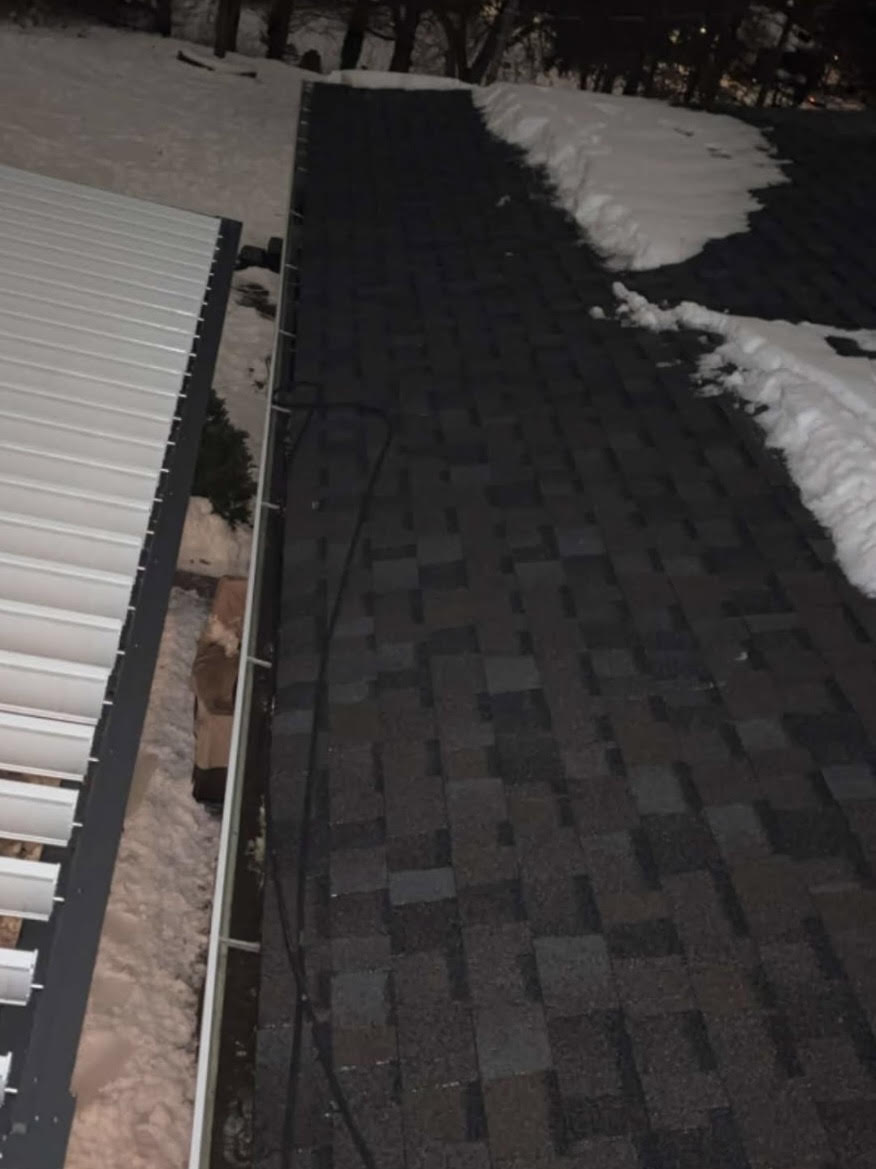
Ice Dam USA project photograph; not identified as a designated historic property.
Why historic and older homes need a roof-specific removal plan
Many older houses have been modified over decades. Porches, additions, dormers, and changes to attic insulation can create different temperatures across the roof. When snow melts on a warmer section and runoff reaches a colder eave or lower roof, an ice dam may develop.
Water accumulating behind the ice can reach vulnerable joints and flashing. Older roof assemblies may also have existing problems that are unrelated to the ice itself, which is why an interior leak must not automatically be attributed to a single visible ice ridge.
Complex valleys and dormers
Multiple slopes can direct meltwater toward small cold sections where heavy ice accumulates.
Older flashing and gutters
Existing wear, corrosion, loose connections, and delicate details can increase the need for caution.
Specialty roofing
Slate, cedar, tile, copper, and other materials require an evaluation of condition and compatibility before removal work.
Why controlled steam is our preferred method
Hammers, chisels, and prying tools create obvious risks for old shingles, flashing, gutters, and decorative roof details. High-pressure water may also affect vulnerable joints or roofing assemblies.
Ice Dam USA relies on professional steam to melt ice using heat rather than aggressive force. Arctic Steamers can reach 304°F at the machine. The output can be adjusted to lower temperatures when additional caution is appropriate, although that may require more time.
Steam temperature at the wand can be lower than the machine's maximum because heat is lost through the hose. Experienced operators consider surface condition, material type, access, and exposure when planning the work.
How we approach copper roofs, decorative details, and difficult access
Some roofs should not be walked on during winter conditions. Ice Dam USA can approach suitable projects from ladders, roof-access points, boom equipment, or job-specific rented lifts.
Copper roofing is a good example of a surface requiring careful consideration. Rather than walking on a sensitive copper roof, technicians may work from a ladder or specialized Spider lift when appropriate.
Protecting areas below can be just as important as controlling work on the roof. On one challenging job surrounded by numerous windows, our crew installed protective boards and removed ice in smaller pieces to manage the danger of falling material. The situation required a careful plan rather than simply breaking the ice free.
For an older home with decorative trim, fragile windows, or narrow access, tell us about those details before scheduling so the crew can discuss the appropriate approach.
What happens when an older home's roof is already leaking?
An ice dam may be holding water behind a frozen roof edge, but a leak can also originate from deteriorated flashing, roof penetrations, or damaged roofing materials.
Ice Dam USA addresses the existing ice obstruction. We normally prefer removing all affected ice so substantial frozen buildup does not remain in the same area. Snow is removed above the affected ice as necessary, rather than from the entire roof.
Removing ice may restore drainage, but it does not repair worn flashing, failed membranes, damaged roof coverings, or water-damaged interiors. Separate qualified contractors may be required for those issues.
When active water intrusion is reported, Ice Dam USA accepts emergency calls 24/7. Overnight service may focus on addressing the leak-causing ice, with additional removal scheduled afterward.
Can homeowners insurance cover ice dam removal on an older home?
Insurance sometimes covers ice-dam-related water damage and may authorize particular removal expenses. Ice Dam USA has completed jobs where insurers approved work in leaking areas or a broader removal scope.
But an older or historic home may have special policy terms, exclusions, or repair considerations. Every policy differs, and coverage can change. Contact the insurer directly to understand what is covered before assuming the cost will be reimbursed.
Ice Dam USA takes before, during, and after photographs and sends them to the customer when work is complete.
What we need before working on a historic home
- A description of the roof material and any known fragile or deteriorated areas.
- Photographs of the ice and roof access from a safe vantage point.
- Information about sensitive windows, trim, gutters, and surrounding structures.
- Working access to a 110V outlet and water spigot.
- Movable belongings cleared from below the affected roof sections.
- A signed service agreement before the scheduled arrival.
Our crews generally do not need to enter the home. Work time begins when the truck arrives, so access and utilities should be ready. For owners who will not be present, payment must be arranged before work begins.
We cannot provide reliable hour estimates from photographs. Ice depth beneath snow, winter temperatures, and the roof's condition can substantially change how long removal takes. Every job has a three-hour minimum, with rates published on our official pricing page.
Frequently asked questions about ice removal on older roofs
Can you remove ice dams from historic houses?
Yes. Ice Dam USA works on older and complex roof systems, subject to material condition, safe access, and any special property requirements.
Is steam appropriate for slate and cedar roofs?
Professional steam may be an option after evaluating the roof's condition and material requirements. Fragile or deteriorated materials need particular caution and may require specialist input.
Can you remove ice from copper roofing?
Yes, when conditions allow. Copper roofs may require work from a ladder or specialized lift instead of walking on the surface.
Will you use axes or chisels on my historic roof?
Ice Dam USA uses professional Arctic Steamers and does not rely on aggressive chopping as its removal method.
What if my home has a steep roof and many dormers?
We evaluate the roof geometry, available access, ice location, and possible need for specialized lift equipment.
Can removing the ice repair an existing leak?
Removing an ice obstruction can improve drainage, but existing roof defects and interior water damage may require separate repairs.
Do historic houses develop ice dams more often?
Age alone does not determine ice-dam risk. Insulation, air leakage, ventilation, snow cover, and roof configuration all influence whether ice dams form.
Do you provide emergency removal at night?
Emergency calls are accepted 24/7. The work performed overnight may be limited to addressing an active leak, depending on conditions.
Does insurance cover ice dams on older homes?
Coverage varies by policy and circumstances. Confirm the available coverage with your insurer rather than assuming removal or repair will be paid for.
More information about roof ice removal
Need ice dam removal on an older or historic roof?
Call Ice Dam USA to discuss the ice, roof materials, access requirements, and professional steam removal options.
