
Roof & Gutter Ice Prevention
Roof Heat Cable Installation for Ice Dam Prevention
Tired of ice building up along the same roof edges, valleys, and gutters every winter? A properly designed roof heat cable system can help maintain drainage paths in problem areas.
Ice Dam USA helps homeowners evaluate roof heating cable options, identify recurring ice buildup areas, and plan installations based on the property's roof design and drainage system.
Request a heat cable installation estimate for your home or building in Minnesota. Ask about availability in other locations.
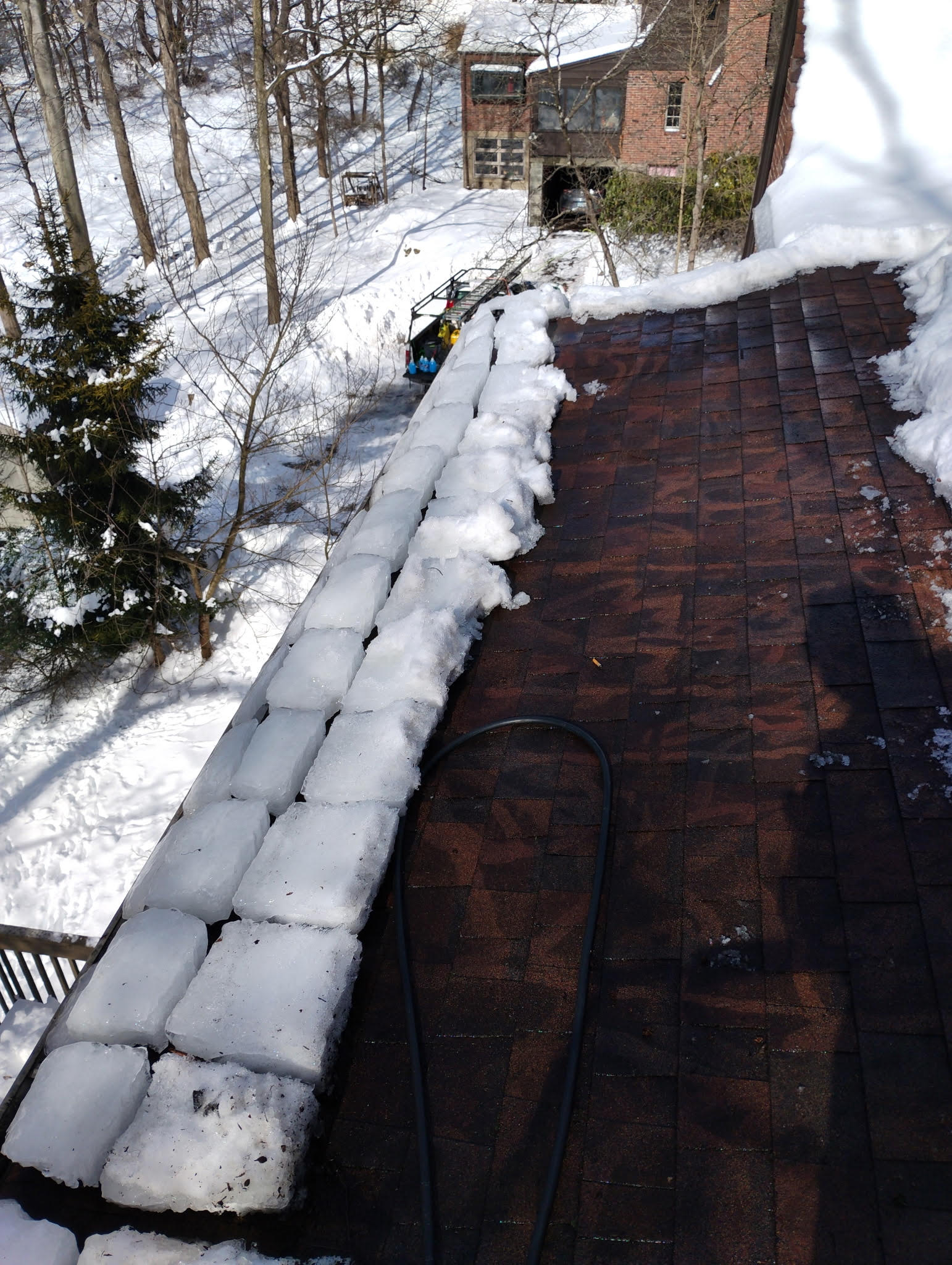
How Heat Cables Work
What Are Roof Heat Cables?
Roof heat cables, sometimes called roof heat tape, roof deicing cables, or roof heaters for ice dams, are electrical heating products designed to help keep narrow drainage channels open during freezing weather.
Heating cable can be routed along approved roof areas, gutters, valleys, and downspouts where freezing meltwater repeatedly creates problems. As the cable warms, it can help maintain a path for water to move away from the roof.
This does not mean the entire roof becomes snow-free. A properly installed heat cable system typically creates localized meltwater pathways rather than melting all the snow or ice across a roof.
Do Roof Heat Cables Prevent Ice Dams?
Roof heat cables can help reduce ice buildup in specific trouble spots by keeping drainage paths open when correctly designed, installed, and operated.
However, heat cables are not a guaranteed solution for every roof and do not correct the underlying attic heat loss that often contributes to ice dams. Long-term prevention may also require insulation, air sealing, and other improvements.
Learn more in our complete ice dam prevention guide .
Targeted Roof Protection
Where Can Roof Heating Cables Be Installed?
The right cable layout depends on exactly where snowmelt refreezes. Different roof sections require different installation patterns and drainage considerations.
Cold Eaves and Overhangs
Many ice dams begin near the roof overhang, where meltwater reaches a colder surface and refreezes.
On compatible roofs, heating cable may be arranged in a manufacturer-approved pattern along the affected eaves.
Valleys and Roof Intersections
When two roof slopes meet, snow and meltwater can collect along the valley.
A planned cable route may help maintain drainage through these problem areas and toward the appropriate roof edge.
Dormers and Front Door Peaks
Smaller roofs around entrances and dormers sometimes develop persistent ice where they meet larger roof sections.
These locations may benefit from targeted heating cable when the roof design and approved installation method permit.
Gutter Heating Cables
Frozen gutters can prevent water from draining normally during winter thaws.
Roof and gutter deicing systems can be designed to include compatible gutter sections as part of a connected drainage pathway.
Frozen Downspout Protection
Heating a gutter alone may not solve the problem when its downspout remains frozen.
Depending on the product and layout, cable may also need to continue into the downspout to help meltwater drain.
Multi-Level Roofs
Homes and commercial buildings with multiple roof heights, unusual drainage patterns, or difficult valleys may require a custom design.
The entire water path must be reviewed rather than simply heating the most visible icy section.
Why Cable Layout Matters
A Good Heat Cable System Starts With Drainage
One of the biggest mistakes in planning a roof heating cable installation is focusing only on the place where ice is visible.
Water must have somewhere to go after it melts.
If heat cable is installed along a roof edge but the gutter or downspout remains blocked with ice, water may refreeze farther down the drainage path.
An effective design considers the entire route: from the affected roof area to the appropriate drainage outlet.
This is especially important when homeowners have recurring ice dams near downspouts, roof valleys, or roof intersections.
If the gutters are already filled with ice, learn about our separate professional gutter ice removal service .
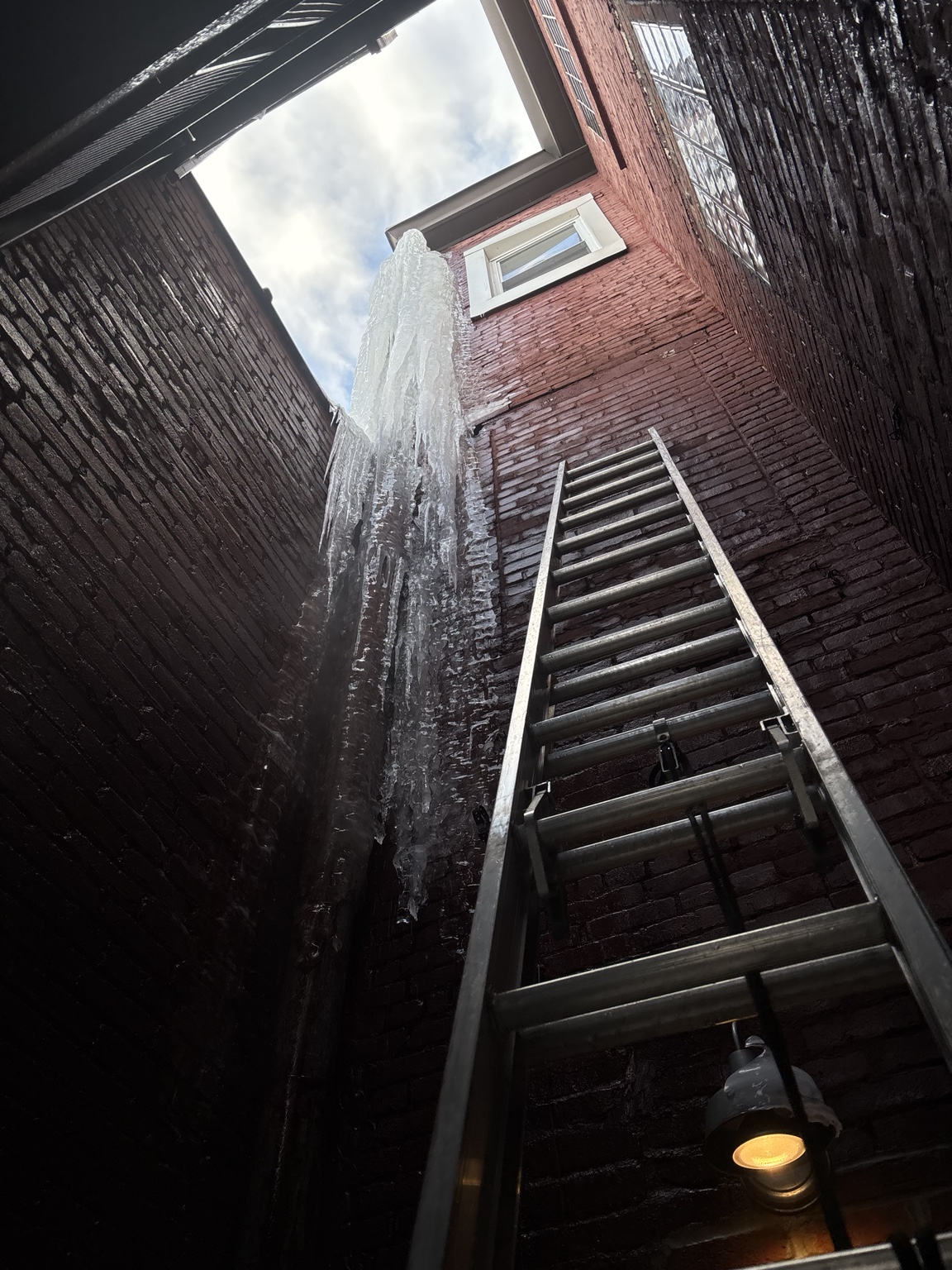
Installation Options
Fixed-Length vs. Self-Regulating Roof Heat Cables
Not every homeowner needs the most expensive heating cable system. Cable selection should match the roof material, problem areas, electrical requirements, and approved installation layout.
Preassembled Roof Heat Cable Kits
Fixed-length roof heat cable kits are available in multiple sizes. They may be a practical choice for uncomplicated residential rooflines and compatible asphalt-shingle roofs.
These systems can help reduce the material cost of an installation when the required cable route closely matches an available kit length.
Important: Many fixed-length constant-wattage kits cannot be cut, shortened, crossed, or overlapped. Product-specific roof compatibility rules apply.
Self-Regulating Heating Cable
Self-regulating roof and gutter deicing cable can adjust its heat output as conditions change along the cable.
Certain professional systems can be cut to the required length using approved connection and termination components.
These systems may be better suited to complex rooflines, longer drainage routes, and buildings where fixed-length kits do not provide an appropriate layout.
Self-regulating cable is not automatically compatible with every roof. The product specifications and installation instructions still determine suitability.
| Feature | Fixed-Length Cable Kit | Self-Regulating Cable |
|---|---|---|
| Typical application | Simpler compatible roof and gutter layouts | Custom or complex layouts |
| Cable length | Purchased in predetermined lengths | Some systems can be cut to length |
| Material cost | Often lower | Usually higher |
| Heat output | Constant wattage when energized | Adjusts with local cable temperature |
| Electrical installation | Must follow the kit's power and protection requirements | Requires approved power connections, protection, and controls |
Product characteristics vary by manufacturer and model. Cable type, control requirements, roof compatibility, and installation method are confirmed during project planning.
Convenient Project Estimates
Get a Roof Heat Cable Estimate Using Photos of Your Home
You may not need an initial on-site visit just to start the estimating process. Clear photographs and property information can help us prepare a preliminary heat cable installation estimate.
Send Your Property Address
Tell us where the property is located so we can review available aerial imagery and the general roof layout.
Include the property type, such as a single-family home, duplex, townhome, or commercial building.
Show Us the Problem Areas
Send wide photographs of the roof and closer photographs of the areas where ice forms.
Pictures from a previous winter showing actual ice buildup can be especially useful.
Identify Gutters and Power
Show the gutters and downspouts connected to each problem area.
Tell us where outdoor electrical outlets are located. A qualified electrician will need to verify whether suitable protected power is available.
Review the Proposed Layout
We can discuss the likely cable routes, product options, roof accessibility, and project scope.
Final cable measurements, roof compatibility, electrical requirements, and installation conditions must be verified before the work proceeds.
What Should You Include With Your Estimate Request?
- Your name, address, and contact information
- Photos of the entire roof from several angles
- Photos or descriptions of the worst ice buildup areas
- Pictures of the gutter and downspout locations
- Approximate building height or number of stories
- Location of existing outdoor electrical outlets
- Whether you want one problem area or multiple areas addressed
Photos should be taken from a safe location. Do not climb onto a steep, icy, or snow-covered roof to obtain pictures.
Installation Pricing
How Much Does Roof Heat Cable Installation Cost?
For a quick starting estimate, our standard heat cable calculator uses the linear footage of the roofline, building height, and a basic 12-inch roof coverage layout.
The final project price depends on the actual installation requirements, roof access, electrical work, and equipment.
The number of feet of heating cable is usually much greater than the straight-line length of the roof edge.
A 25-foot section of roof, for example, may require cable arranged in a zigzag pattern plus additional cable routed through gutters and downspouts.
Fixed-length kits can sometimes provide a more economical option. Complex roof layouts may require custom materials and additional electrical work.
All online prices are estimates, not final quotes. An on-site review may change the amount of roofline covered, the required cable routing, or the type of equipment.
The final price will reflect the work actually needed, subject to our $550 minimum installation charge.
What Affects Your Quote?
- Total heating cable footage
- Roof pitch and building height
- Single-story versus multi-story access
- Valleys, dormers, and roof intersections
- Gutter and downspout routing
- Roof material and cable compatibility
- Fixed-length or custom cable system
- Electrical circuits, controls, and protection
- Permit and licensed electrical labor requirements
Electrical upgrades may be quoted separately from roof cable materials and installation.
Request Your Installation QuoteInstant Preliminary Pricing
Standard Heat Cable Estimate Calculator
Slide to select your roofline length and building height. This calculates an estimated installation price for standard fixed-length heat cables with a basic 12-inch roof coverage plan.
The per-foot rate stops increasing after 3 stories.
Roof heat cable installation pricing is separate from our professional steam ice dam removal pricing. If you already have heavy ice buildup, see our ice dam removal service .
Safe Electrical Installation
Electrical Requirements for Roof Deicing Cables
Roof heating cables are electrical equipment exposed to snow, rain, freezing temperatures, and moisture. Proper power connections and electrical protection are essential.
Suitable Outdoor Power
The electrical supply must meet the cable manufacturer's requirements, including voltage, circuit capacity, weather protection, and specified ground-fault protection.
Not every existing outdoor outlet is appropriate for every heat cable system.
No Extension Cords
Roof and gutter heating cables should not be operated through extension cords when the product instructions prohibit them.
If suitable electrical power is too far away, a qualified electrician should evaluate an appropriate permanent connection.
Proper Cable Routing
Cable must be installed with approved clips, supports, and connection components for the particular product.
Fixed-length cable kits must not be cut, overlapped, or modified contrary to their instructions.
Licensed Electrical Work
Electrical installation must comply with applicable state and local licensing, permitting, inspection, and electrical code requirements.
In Minnesota, businesses contracting to perform electrical work generally must hold the required electrical contractor license or arrange work through a properly licensed contractor, as applicable.
Important installation note: Roof heat cable systems are designed to manage meltwater before severe ice buildup develops. They are not intended to be laid over existing thick ice dams.
Installation should follow product instructions and be completed when roof conditions allow safe attachment and inspection.
Understanding the Limits
Are Roof Heat Cables a Permanent Solution for Ice Dams?
Heat cables can help manage recurring ice at selected roof locations, but they do not solve every cause of ice damming.
In many Minnesota homes, heat escaping into an attic warms the roof deck and melts snow from underneath.
That water travels toward colder roof edges, where it can refreeze. Heat cables may keep a narrow route open, but they do not stop the original heat loss.
For persistent or widespread ice dams, evaluate attic air sealing, insulation, and roof construction alongside localized heating cable options.
Read our guide to long-term ice dam prevention for additional strategies.
Existing Ice vs. Future Prevention
Why True Steam Is Better for Ice Dam Removal
Roof heat cables are preventive equipment. They are not a substitute for removing an existing large ice dam when water is already backing up beneath roofing materials.
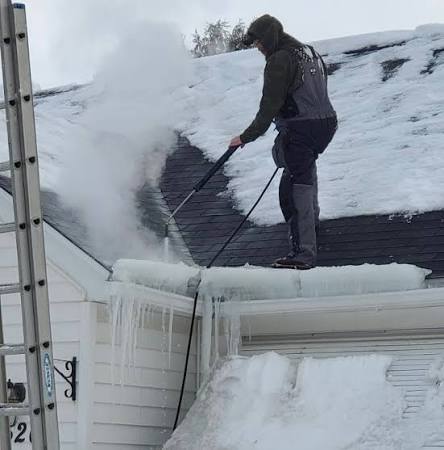
When ice has already accumulated, Ice Dam USA uses professional low-pressure Arctic Steamers to work through the frozen buildup.
True low-pressure steam allows trained technicians to apply heat in a controlled manner rather than relying on hammers, chisels, or aggressive high-pressure washing.
Steam removal and heat cable installation serve different purposes:
- Steam removal: addresses existing heavy roof ice.
- Heat cables: can help maintain drainage paths during future freezing weather.
- Attic improvements: can help address heat loss contributing to recurring ice dams.
If water is actively leaking into your home, contact us about professional ice dam removal .
Common Homeowner Questions
Roof Heat Cable Installation FAQs
Answers to common questions about roof heat tape, deicing cables, installation costs, and ice dam prevention.
Do roof heat cables actually prevent ice dams?
Properly installed heat cables can help maintain narrow drainage channels in recurring problem areas. They cannot guarantee that ice dams will never form, and they do not correct attic heat loss or inadequate insulation.
What is the difference between roof heat tape and roof heat cable?
Homeowners often use the terms interchangeably. Both commonly refer to electrical products designed to provide heat along selected roof and gutter drainage areas. Product construction, approved applications, and installation requirements vary.
Can heat cables be installed in gutters and downspouts?
Yes, when the heating cable is specifically approved for those applications. In some designs, keeping the gutter and downspout drainage route open is necessary for the roof system to work as intended.
How much does roof heat cable installation cost?
The cost depends on the required cable length, roof height and pitch, roof geometry, selected cable system, electrical connections, and access requirements.
Fixed-length kits can be more economical for certain simpler residential installations. Our standard installations have a $550 minimum charge. Use our on-page calculator for a preliminary estimate, then contact Ice Dam USA for a final quote after the layout is verified.
Can you measure my roof remotely for heat cables?
A preliminary estimate may be prepared using the property address, available aerial imagery, and photographs of the problem areas.
Final measurements, roof compatibility, drainage routes, and electrical conditions must be verified before installation.
Can I use extension cords with roof heat cables?
Do not use extension cords when the cable manufacturer's instructions prohibit them. Roof deicing systems must be supplied through appropriately rated and protected electrical connections. A qualified electrician should evaluate any necessary power upgrades.
Are fixed-length heat cable kits as good as self-regulating cable?
They serve different applications. Fixed-length kits may be a cost-effective option for compatible, straightforward roof layouts. Self-regulating systems can offer greater flexibility for complex cable routes.
The best choice depends on the roof design and product requirements.
Can roof heat cable be installed on a metal roof?
Some specialized self-regulating systems are approved for certain metal-roof applications, using the proper mounting components.
Many fixed-length residential kits are not approved for metal roofs. Always verify the specific cable and roofing manufacturer requirements.
When is the best time to install heat cables?
Installation is generally best planned before heavy snowfall and freezing conditions. Cables need to be securely attached according to their instructions, which typically requires a roof free from existing heavy ice and snow.
Will roof heat cables melt an ice dam that is already there?
Roof heat cable systems are designed primarily for prevention and maintenance of meltwater drainage paths, not rapid removal of existing heavy ice dams.
If significant ice is already causing problems, professional steam ice dam removal may be more appropriate.
Do heat cables need to run all winter?
Operating instructions vary by the cable system and controls. Some systems use thermostats or snow and moisture sensors to manage operation.
Follow the product manufacturer's guidance, and avoid unnecessary operation during warm weather.
Can heat cables replace attic insulation or air sealing?
No. Heating cables manage localized freezing along drainage routes. Insulation and air sealing help address unwanted heat movement that contributes to ice dam formation.
Both approaches may be considered as part of an overall winter roof strategy.
More Winter Roof Resources
Learn More About Ice Dam Prevention and Removal
Roof heat cables are one part of managing winter roof problems. Explore these related Ice Dam USA resources to understand the larger causes of ice buildup and how to respond.
Get Ready for Winter
Request a Roof Heat Cable Installation Estimate
Have an area of your roof that develops ice year after year? Let us know where the problem occurs.
Send Ice Dam USA your property address, photos of the affected roof sections, gutter and downspout locations, and information about available outdoor electrical power.
We can review the proposed project, discuss suitable heat cable options, and help establish the next steps for an installation estimate.
Any required electrical installation must be performed in accordance with applicable licensing and code requirements.
Minnesota-based. Roof heat cable project availability and installation scope depend on property location, roof conditions, qualified personnel, and electrical requirements.
