
Understanding Homeowners Insurance and Ice Dams
Does Homeowners Insurance Cover Ice Dams?
Ice dams can cause expensive water damage during winter. But will your insurance company pay for the damage, the ice dam removal, or both?
Learn how homeowners insurance commonly handles ice dam claims, what to document, and what to do when melting snow starts leaking into your home.
The Short Answer
Are Ice Dams Covered by Insurance?
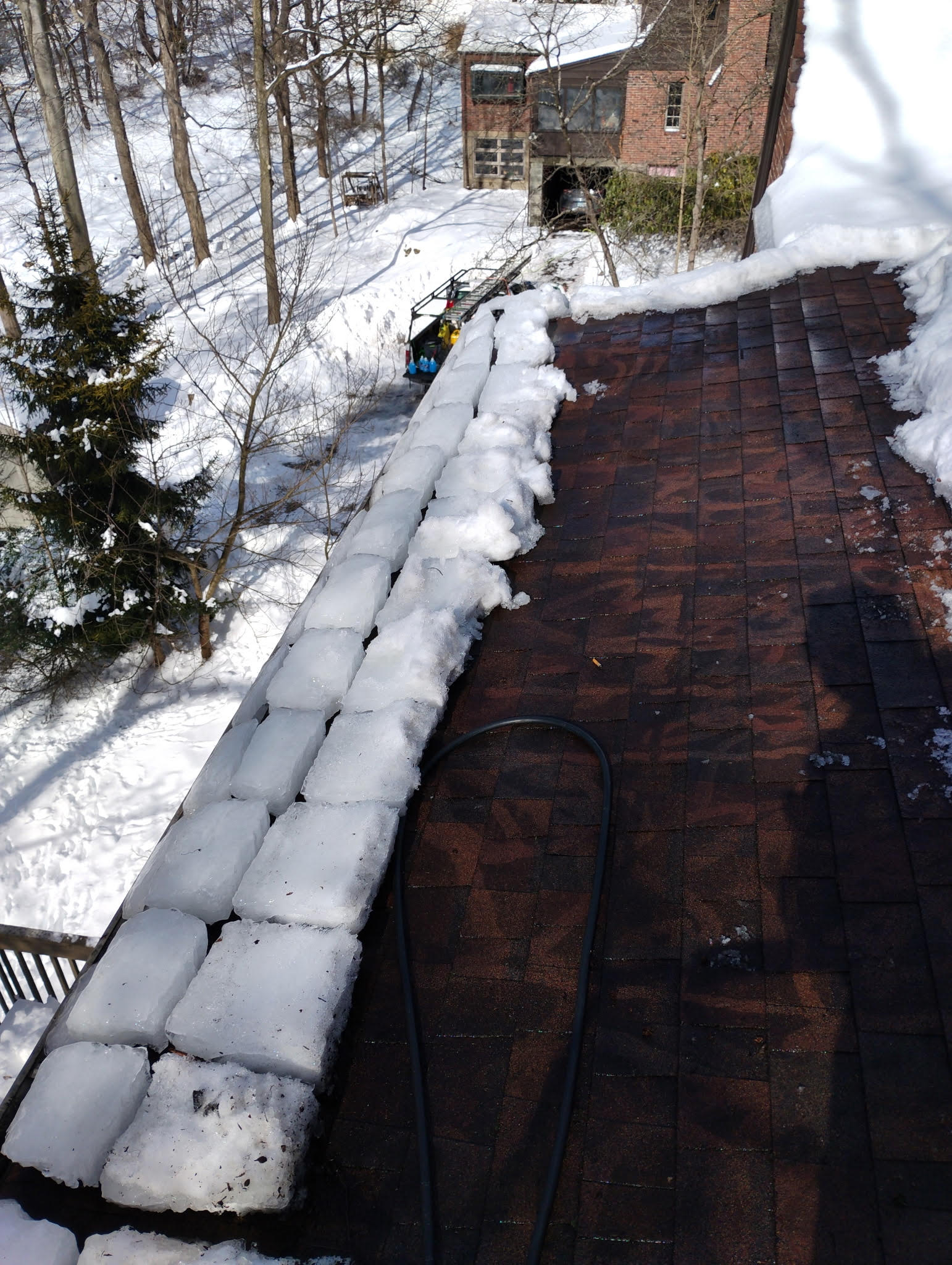
Homeowners insurance may cover damage caused by an ice dam, but it usually does not pay for routine removal of the ice dam itself.
If an ice dam causes a sudden roof leak that damages ceilings, walls, insulation, or flooring, some or all of those repairs may qualify for coverage. The cost to remove the ice buildup is often treated differently. Whether emergency removal qualifies as a covered mitigation expense depends on the policy and the circumstances of the loss.
Your insurer must evaluate the actual policy, applicable exclusions, deductibles, and facts of your claim before confirming coverage.
An important distinction is that insurance companies generally evaluate the cause of the damage, the resulting loss, and the cost of preventing additional damage as separate questions. Understanding those differences can help you make informed decisions before hiring a contractor.
If you are new to the problem, begin with our guide to what an ice dam is and how it forms. If your roof is actively leaking, review our emergency ice dam removal services.
Understanding Your Coverage
Does Homeowners Insurance Cover Ice Dam Damage?
Many homeowners policies can respond to certain sudden and accidental losses involving ice dams. Coverage is not automatic, and the particular type of damage matters.
Ceiling and Wall Damage
When trapped meltwater enters a home, it may stain ceilings, soften drywall, damage paint, or penetrate interior walls. Qualifying sudden water damage may fall under the dwelling portion of a homeowners policy.
Damaged Insulation and Building Materials
Water may soak attic insulation, framing, trim, or other parts of the home. The insurer will consider the cause and timing of the damage, along with any relevant exclusions.
Roofing and Structural Repairs
Direct physical damage from ice or water may qualify in some circumstances. However, worn shingles, deterioration, defective workmanship, or older unresolved problems may not be covered. The reason for the roof's failure is important.
Damaged Personal Belongings
Furniture, electronics, and other belongings affected by water may or may not be covered. Personal property provisions differ among insurers, and some policies specifically exclude certain losses caused by ice dams.
Ice Dam Removal Before Damage Occurs
Steaming ice from a roof as routine winter maintenance or prevention generally is not a covered insurance expense. A homeowner should not assume reimbursement simply because an ice dam is present.
Long-Term Moisture and Maintenance Problems
Gradual leaks, deterioration, neglected repairs, or certain mold-related losses may be excluded or subject to special limitations. A long history of moisture damage can complicate an ice damage insurance claim.
Important: A deductible and policy limits may apply even when damage is covered. An insurance payment is not necessarily equal to the full repair cost.
A Critical Difference
Does Insurance Cover Ice Dam Removal?
This is one of the most common questions homeowners ask Ice Dam USA during severe winter weather.
Removing an ice dam and repairing damage caused by an ice dam are two different expenses. Most policies do not cover ice removal performed as preventive maintenance.
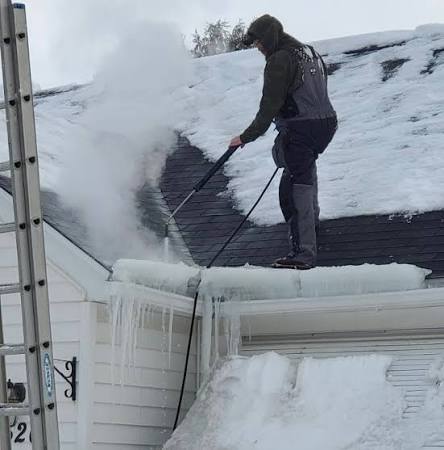
In some situations, an insurer may consider emergency work intended to prevent additional damage from an active covered loss. Whether the cost of steaming or removing the ice qualifies for reimbursement must be determined by the insurer under the policy.
If possible, contact your insurance company before scheduling removal and ask whether it authorizes or reimburses emergency ice dam mitigation. If water is actively entering the home, take reasonable safe steps to protect the property while contacting the insurer promptly.
Ice Dam USA provides professional steam ice dam removal and can provide available service documentation for the homeowner's records.
Understanding the Cause
How Ice Dams Lead to Homeowners Insurance Claims
An ice dam does not have to destroy a roof to cause an expensive problem. Water can enter through a small vulnerable area and travel before it becomes visible.
Snow Melts Above the Eaves
Heat loss, sunshine, or changing temperatures melt snow on a warmer part of the roof. Water flows toward the colder roof edge.
Ice Blocks the Drainage Path
Water freezes near the eaves and creates an obstruction. Additional meltwater may collect behind that ice.
Water Enters the Home
Trapped water can work beneath roofing materials and reach the attic, ceiling, insulation, walls, or other areas.
The Leak May Appear Far From the Ice Dam
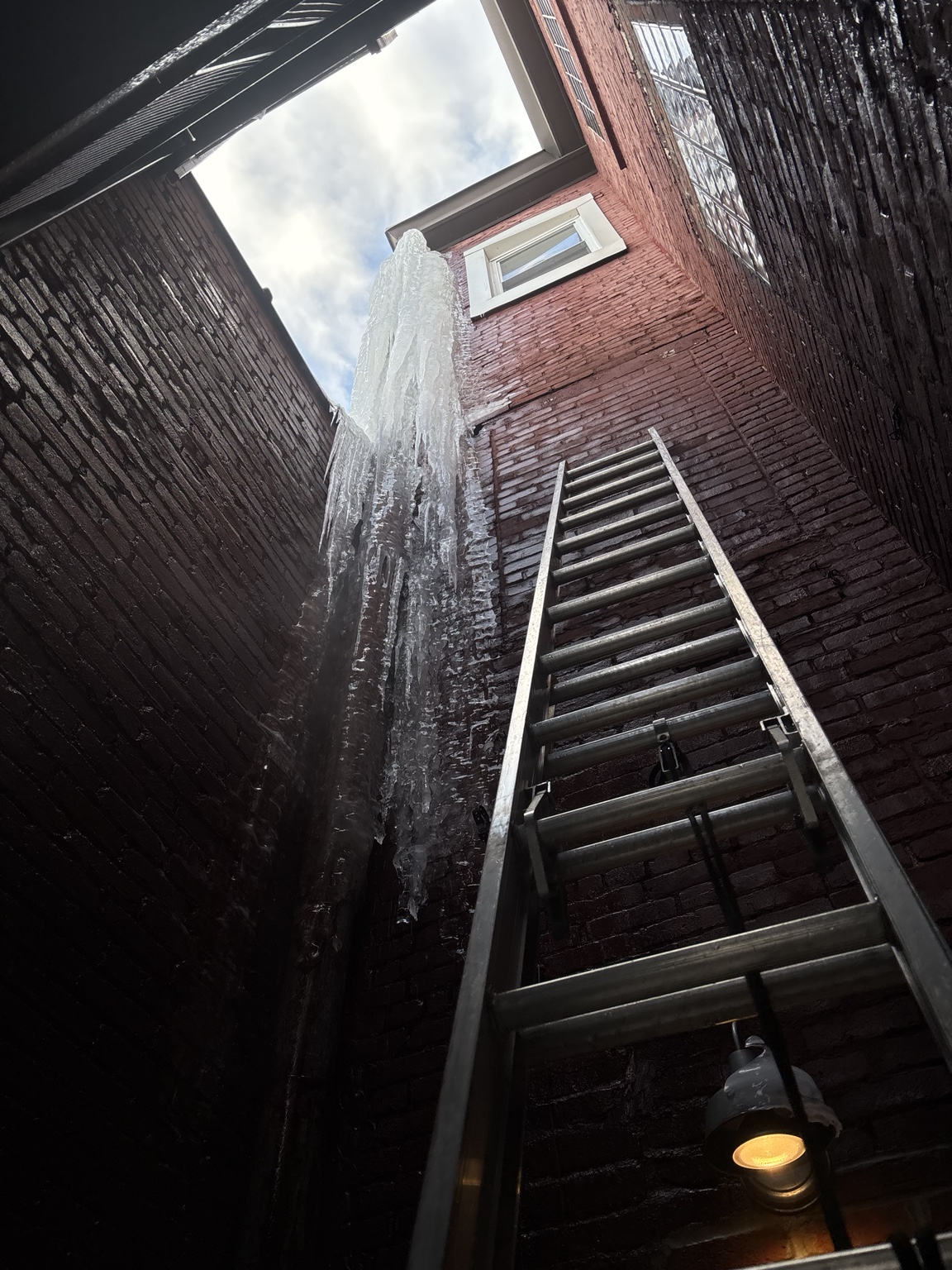
A homeowner might see water staining around a window or dripping through a ceiling several feet away from the visible roof ice.
Water can travel along roof decking, rafters, insulation, or wall cavities before reaching an interior surface. That means the first visible water stain does not always identify the original entry point.
When documenting an insurance claim, photograph both the exterior ice buildup and every interior area showing moisture damage.
To understand the larger causes behind the problem, read our guide to preventing ice dams through better roof and attic conditions.
Homeowner Checklist
How to File an Ice Dam Insurance Claim
If ice has caused water to enter your house, good documentation and prompt communication with your insurer can make the claim process easier to manage.
Document the Ice Before Removal
Take clear photographs of the affected roof edge, ice buildup, icicles, gutters, and visible areas where water appears to be trapped.
Photograph safely from the ground or another secure location. Do not climb onto an icy roof to collect evidence.
Photograph Interior Damage
Record ceiling stains, wet walls, damaged insulation, flooring, and affected belongings.
Note when you first noticed the problem and whether the damage became worse during melting or freezing weather.
Contact Your Insurance Company Promptly
Explain that an ice dam may be causing a winter roof leak. Ask how to report the loss and whether an adjuster needs to inspect the damage.
Ask specifically about coverage for resulting water damage and emergency ice dam removal.
Take Reasonable Steps to Limit Damage
Follow the insurer's instructions. Protect unaffected belongings and safely collect dripping water where possible.
If removal or other urgent mitigation is needed, clarify authorization with the insurer when possible and retain records of the work.
Keep Your Contractor's Documentation
Save estimates, invoices, service dates, proof of payment, and any available before-and-after photographs of the ice removal.
Keep emergency mitigation expenses separate from later roofing or interior repairs whenever possible.
Review the Adjuster's Findings
Compare the insurer's explanation and estimate with the documented damage. Check the deductible, coverage limits, and applicable policy provisions.
If you disagree, ask the insurer to explain its decision and available review process.
Do not delay urgent protection of your property just to preserve photographs. Document conditions as safely as possible, notify your insurer promptly, and keep receipts for reasonable emergency expenses. Your insurer determines which expenses qualify.
Common Situations
Three Ice Dam Insurance Claim Scenarios
Scenario 1: Large Ice Dam, No Water Damage
A homeowner notices a thick ice ridge along the roof but has no interior leaking or documented physical damage.
Insurance consideration: Preventive removal is usually treated as the homeowner's maintenance responsibility.
Scenario 2: Ice Dam Causes Ceiling Damage
Melting snow backs up behind an ice dam and water suddenly appears through the ceiling, damaging drywall and insulation.
Insurance consideration: Resulting sudden damage may qualify under the policy, subject to exclusions and the insurer's investigation.
Scenario 3: Emergency Removal During a Leak
Water is entering a home and the owner hires a specialist to remove the ice obstruction before the damage becomes worse.
Insurance consideration: The insurer must decide whether removal qualifies as a reimbursable mitigation expense. Approval is not automatic.
These examples are illustrative. They do not determine coverage under any individual insurance policy.
Professional Ice Dam Removal
Why True Steam Is Better for Ice Dam Removal
When water is entering a home, the goal is to address the frozen obstruction without unnecessarily damaging the roof beneath it.
Ice Dam USA uses professional Arctic Steamers that melt roof ice using high-temperature, low-pressure steam. This is different from blasting roofing materials with a hot-water pressure washer.
Aggressive chopping, axes, and chisels can damage shingles or flashing. Professional low-pressure steam allows technicians to work through ice in a more controlled way.
No removal method is entirely risk-free. Existing roof condition, ice thickness, weather, and safe access must all be considered.
Ice Dam USA has more than 30 years of company experience helping property owners address serious winter roof ice buildup.
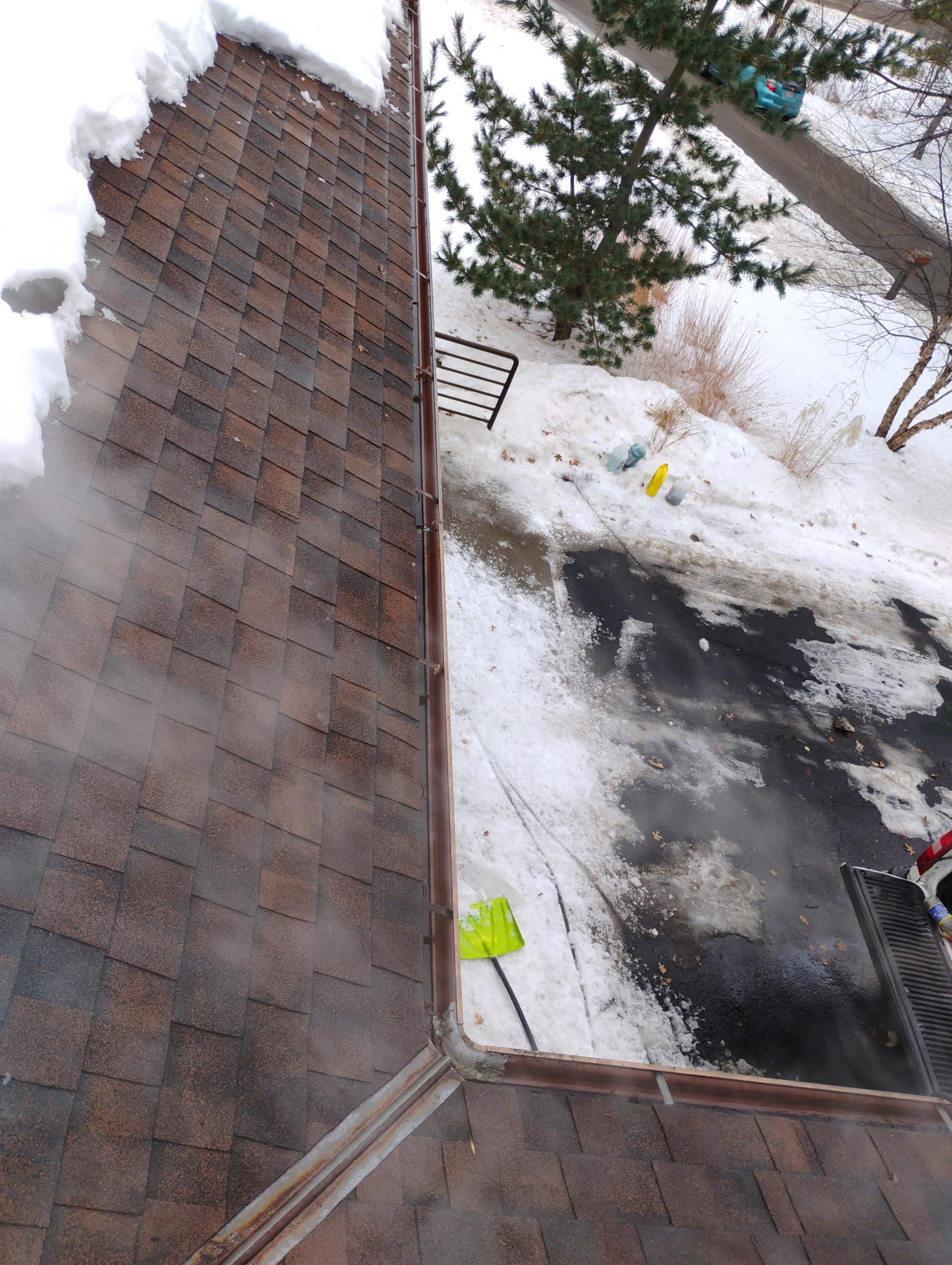
Learn more about our low-pressure steam ice dam removal process and view the Ice Dam USA project photo gallery.
Before Scheduling Service
Questions to Ask Your Insurance Adjuster
If you are considering an ice dam insurance claim, these questions can help clarify what your particular policy may pay for:
Coverage Questions
- Does my policy cover sudden water damage caused by an ice dam?
- Will the policy cover removal of the ice dam itself?
- Are emergency mitigation expenses covered if water is actively leaking?
- Are damaged insulation, drywall, roofing, and belongings treated differently?
- What exclusions or limits apply to this type of loss?
Claim and Documentation Questions
- Do I need approval before hiring an ice dam removal contractor?
- Should an adjuster inspect the property before permanent repairs begin?
- What photographs and invoices should I provide?
- What is my applicable deductible?
- How should I document any additional damage discovered during repairs?
If your claim is denied: Request the explanation in writing, including the policy provisions relied upon. You can review the decision with your insurer or insurance agent. Homeowners in Minnesota can also find consumer assistance through the Minnesota Department of Commerce.
After the Immediate Problem
Will Insurance Pay to Prevent Future Ice Dams?
Homeowners insurance generally is not designed to pay for ordinary preventive home improvements. Correcting the conditions that cause repeated ice dams is usually separate from repairing an insured loss.
Recurring ice dams can be associated with attic air leaks, insufficient insulation, ventilation problems, roof geometry, snow accumulation, and freeze-thaw cycles. Some roofs experience repeated ice buildup in valleys, at dormers, or above colder eaves.
Depending on the property, longer-term steps may include improved air sealing, insulation, roof snow management, or carefully designed heat cable systems. The right solution depends on the underlying cause.
Explore our ice dam prevention guide to learn which measures may help reduce future roof ice buildup. If gutters are the primary problem, see our separate gutter ice removal service.
Frequently Asked Questions
Ice Dams and Homeowners Insurance FAQs
Answers to common questions about ice dam coverage, winter roof leaks, and filing claims.
Does homeowners insurance cover ice dams?
Homeowners insurance may cover certain damage resulting from ice dams, particularly qualifying sudden water damage to the home. The existence of an ice dam alone generally does not mean its removal is covered. Coverage depends on the policy, exclusions, and circumstances.
Does insurance cover ice dams if there is no roof leak?
If there is no covered physical damage, removing an ice dam is usually treated as preventive maintenance rather than a reimbursable claim. Ask your insurer if your policy provides any special protection or mitigation coverage.
Does homeowners insurance cover ice damage to a roof?
Some sudden physical damage from ice or resulting water intrusion may be covered. Wear and tear, deteriorated materials, old damage, and certain maintenance problems are commonly excluded. An adjuster must evaluate the cause and policy terms.
Are ice dams covered by insurance when water enters the house?
Sudden water damage caused by an ice dam may qualify for coverage under many homeowners policies. The insurer will review the affected areas, cause of loss, exclusions, limits, and deductible. Ice removal itself is a separate coverage question.
Can I file an ice dam insurance claim for ceiling stains?
Yes, you can report the damage to your insurer. Photograph the stains, record when they appeared, and document the exterior ice. The insurer determines whether the damage is covered, not the presence of stains alone.
Will an ice damage insurance claim pay for damaged belongings?
It depends on the personal property provisions of your policy. Some insurers cover qualifying belongings damaged during certain winter losses, while others exclude particular ice dam-related personal property damage. Confirm this directly with your carrier.
Does insurance cover ice dam damage from an older roof?
An older roof is not automatically ineligible for every type of claim. However, deterioration, poor maintenance, and preexisting leaks may affect coverage. The adjuster will review the immediate loss and the roof's condition.
Should I remove an ice dam before the insurance adjuster arrives?
Contact the insurer promptly and ask about its inspection and emergency mitigation requirements. If water is actively entering the property, take reasonable safe steps to limit further damage. Preserve photographs, invoices, and records of any urgent work. Do not attempt dangerous roof work yourself.
Does insurance cover ice dam damage if I have had the problem before?
Previous ice dam problems can be relevant to the insurer's investigation, particularly if deterioration or an unresolved maintenance condition contributed to the loss. A new occurrence is evaluated under the actual policy and facts. Previous problems do not establish coverage or noncoverage by themselves.
Can Ice Dam USA help document my ice dam removal?
Ice Dam USA can provide available documentation of the removal service performed. Customers should retain their invoices, photographs, and payment records for insurance purposes. We do not determine coverage, adjust claims, or guarantee reimbursement.
Professional Assistance
Dealing With an Ice Dam or Winter Roof Leak?
Ice Dam USA provides professional low-pressure steam removal throughout the northern United States. Our experienced crews help homeowners and commercial property owners address accumulated roof ice and blocked drainage.
Whether you have an active leak or dangerous ice buildup, our team can discuss service availability, roof conditions, and what documentation may be available for your records.
Ice Dam USA provides ice removal services, not insurance coverage determinations. Contact your insurance carrier for claim-specific decisions.
Insurance Information and Homeowner Resources
Insurance coverage descriptions on this page are general educational information, not a guarantee of payment or interpretation of an individual policy.
- Progressive: Does Homeowners Insurance Cover Ice Damage?
- State Farm: Home and Property Claims
- Minnesota Department of Commerce: Tips for Filing a Residential Property Claim
- Ice Dam USA Learning Center
Every homeowners policy is different. Insurance coverage, claim decisions, and reimbursement amounts are determined by the insurer under the applicable policy and state law.
