St. Clair Shores MI Ice Dam Removal
Heavy ice forming along your roofline? Ice Dam USA provides professional ice dam removal in St. Clair Shores, Michigan, using true low-pressure steam.
Our family-owned company has more than 30 years of industry experience removing ice dams from residential and commercial properties.
Homes near Lake St. Clair, canal neighborhoods, and established residential streets can experience ice buildup when melting snow reaches colder roof surfaces.
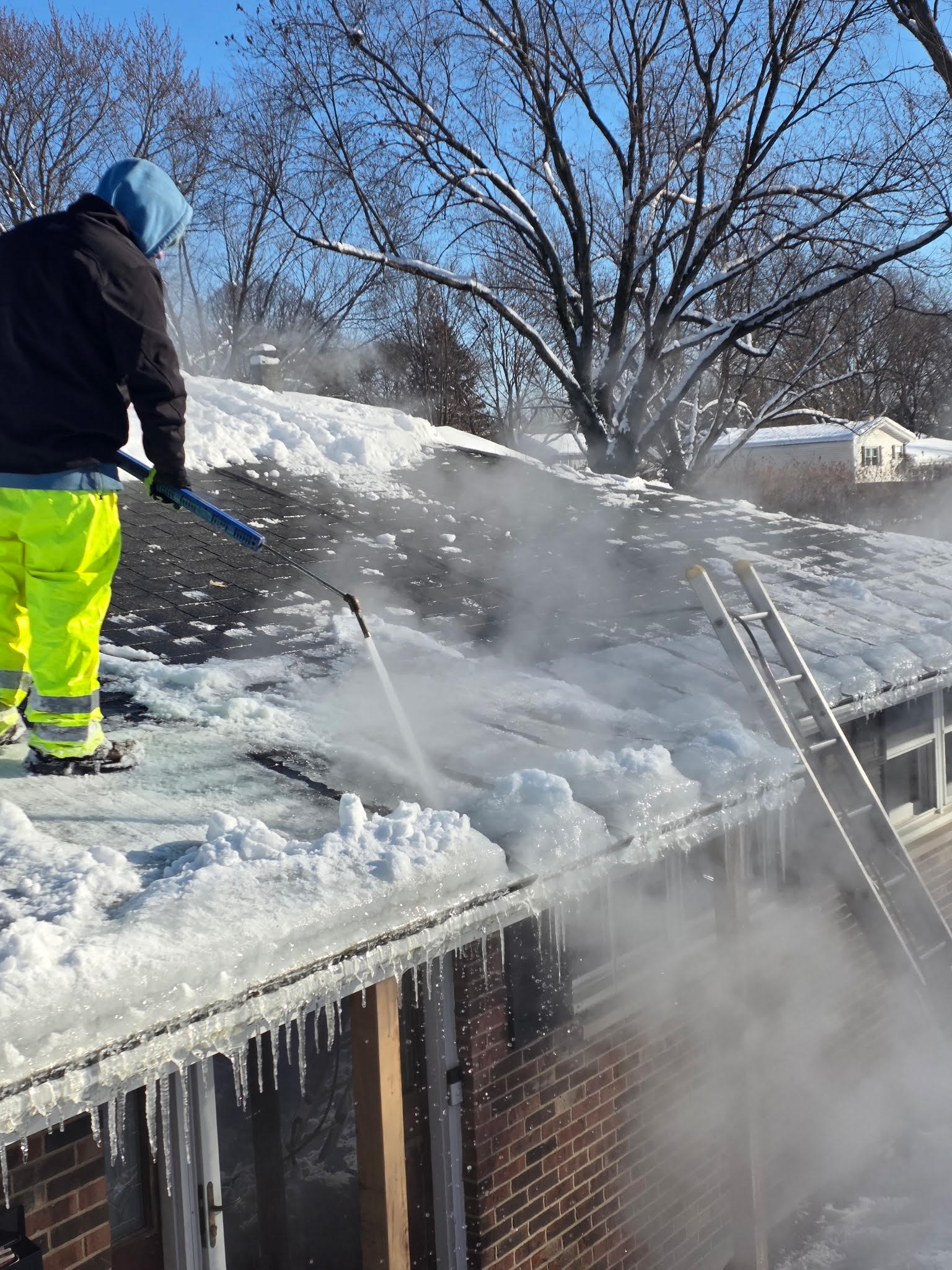
Our technicians use specialized Arctic Steamers to melt obstructing ice without relying on aggressive chopping or high-pressure water blasting.
Ice Dam Problems on Lakefront and Canal-Area Homes
St. Clair Shores is known for its shoreline along Lake St. Clair and the many canals running through residential neighborhoods. The community includes lakefront properties, traditional ranch homes, and larger residences with varied roof designs.
Some homes sit in open areas exposed to wind, while others are surrounded by closely spaced buildings and established trees. These conditions can influence how snow accumulates or drifts across different roof slopes.
Being near the lake does not automatically cause an ice dam. The underlying problem is melting snow that refreezes at a colder area of the roof.
Lakefront Rooflines
Homes with large windows, high ceilings, multiple roof sections, or exposed roof slopes can have different heating and snow accumulation patterns.
Canal Neighborhoods
Some properties have limited access along part of the building. Side yards, decks, landscaping, and neighboring structures may affect how roof work is planned.
Older Residential Homes
Established neighborhoods may contain homes with varied attic insulation, roof ventilation, and past additions. These features may influence roof temperatures.
Multi-Level Roofs
Water melting from an upper roof can reach a colder lower surface. Repeated freezing may create an ice ridge near an eave or roof intersection.
Why a Roof Can Develop Ice Dams Even During Freezing Weather
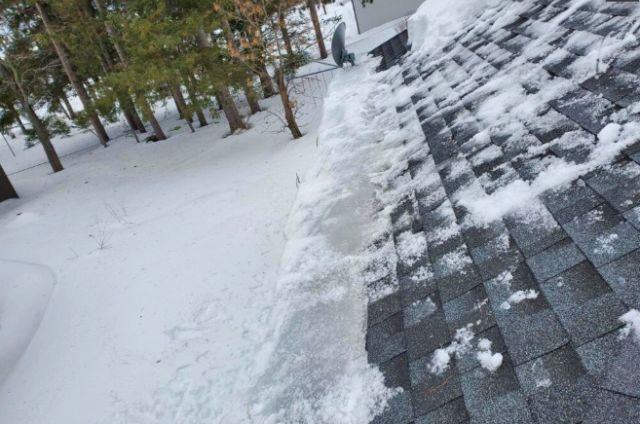
Ice dams form when snow melts on part of a roof and then refreezes farther down the slope.
Heat escaping from the building may warm the roof surface beneath accumulated snow. Sunlight and changes in winter temperatures can also contribute to melting.
The resulting water flows downhill until it reaches a colder area. If enough water repeatedly refreezes, a solid ice ridge develops.
Additional meltwater may collect behind this ridge, increasing the risk of moisture entering vulnerable roofing materials.
Learn more through our ice dam formation and prevention guide .
How Wind, Sun and Snow Depth Affect St. Clair Shores Roofs
Homes along open waterfront areas may experience different wind exposure than homes farther inland. Snow may collect unevenly around roof intersections, dormers, or protected areas.
A sunny roof section can begin melting while a shaded roof edge remains cold enough for water to refreeze. This creates the conditions for an ice dam to develop.
Roof design and attic heat loss remain important regardless of location. Two neighboring homes can experience the same winter storm but develop very different amounts of ice.
Uneven Snow Accumulation
Wind and roof geometry can create deeper snow deposits in some areas than others.
Sun-Exposed Roof Slopes
Sunlight may melt snow on one surface while shaded portions remain below freezing.
Attic Heat Loss
Escaping heated air can warm the roof deck and encourage snowmelt from underneath.
Complex Drainage Paths
Multiple roof levels and intersecting slopes can direct water toward one cold roof section.
When Roof Ice Becomes a Concern for Homeowners
Icicles and snow accumulation are common winter sights, but a substantial ice dam can prevent normal roof drainage.
Thick Ice Along the Eaves
A solid frozen ridge may block runoff from melting snow above it.
Water Stains Indoors
Discoloration near an exterior wall or ceiling may indicate water entering beneath roofing materials.
Ice Around Roof Valleys
Valleys can collect water from adjoining roof slopes. Ice may obstruct the drainage path.
Recurring Winter Leaks
A leak that appears during snowmelt and disappears in warmer weather may indicate an ice-related drainage problem.
A roof leak can also result from damaged flashing, roofing defects, or other moisture problems. An assessment may be necessary to identify the actual cause.
Why True Steam Is Better for Ice Dam Removal
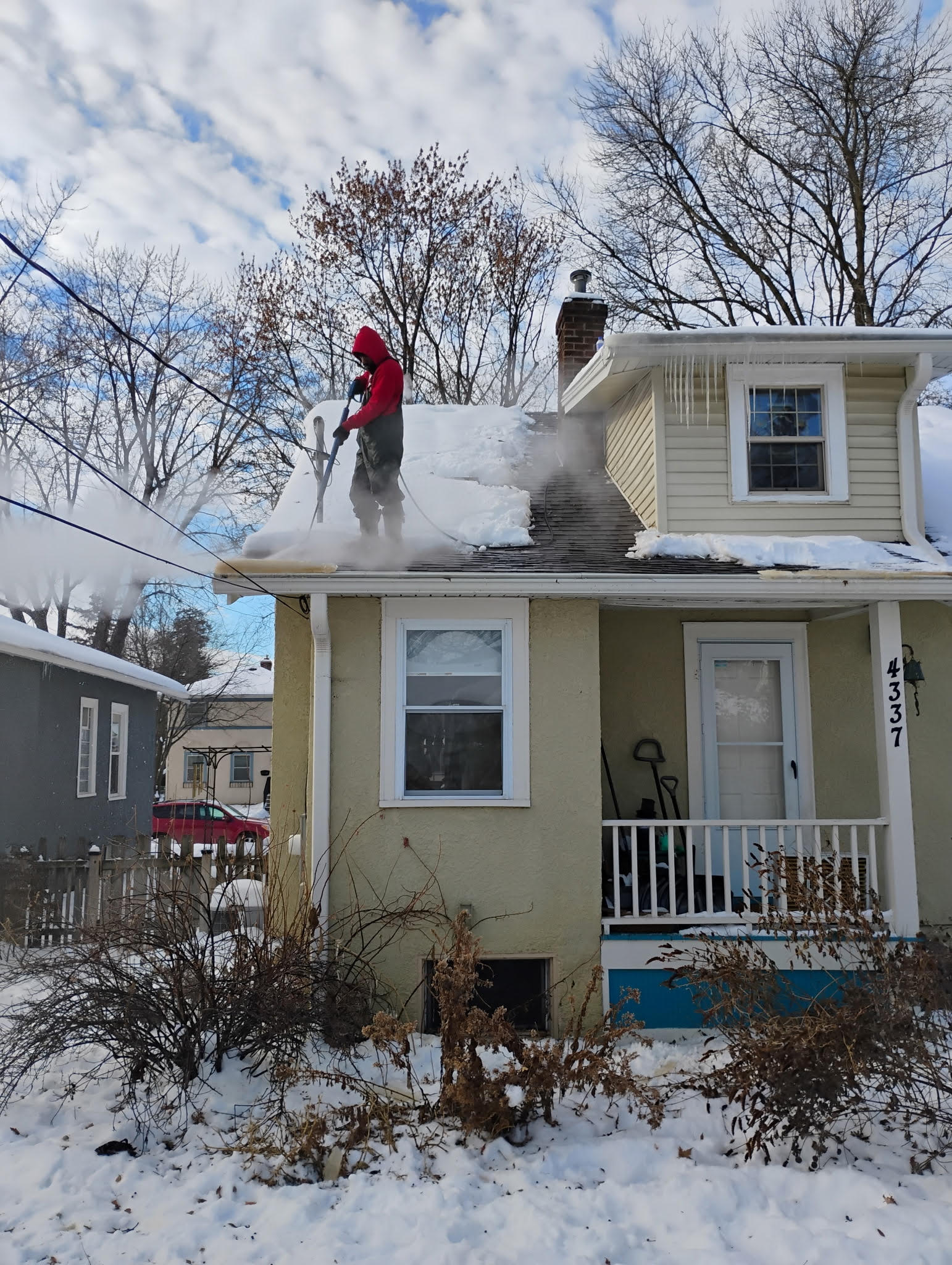
Ice Dam USA uses Arctic Steamers designed for professional low-pressure steam ice removal. Heat melts the frozen material instead of relying on aggressive force.
This matters because shingles, flashing, and roofing materials can be damaged when ice is struck with hammers or removed using high-pressure water spray.
A hot-water pressure washer is not the same as a purpose-built low-pressure steamer. Professional technique remains important regardless of equipment used.
- Describe the ice buildup. We discuss affected roof areas, roof height, ice thickness, and active leaks.
- Review the property. Access conditions, roof pitch, weather, and nearby structures are considered.
- Perform steam removal. Technicians melt selected ice accumulations to help restore normal drainage.
- Discuss remaining concerns. Existing roofing damage or interior moisture may require additional repairs.
Learn more about our true low-pressure steam ice dam removal and view professional Ice Dam USA project photos .
Roof Ice Removal on Canal and Lakefront Properties
Some St. Clair Shores properties have decks, fencing, landscaping, closely spaced homes, or other features that can affect access to a roof edge.
The presence of a canal or waterfront boundary may limit ground access on one side of a property. These conditions should be discussed before service.
Roof height, pitch, surrounding structures, and safe equipment placement may influence the removal approach.
When contacting Ice Dam USA, share the property address, affected roof sections, access limitations, and photographs taken from a safe location.
Do not climb onto an icy roof or approach dangerous hanging ice just to take photos.
What If Water Is Leaking Into Your St. Clair Shores Home?
Water trapped behind roof ice can travel beneath roofing materials and enter the building. Interior moisture may affect drywall, insulation, ceilings, and belongings.
If water is actively entering your home, keep people clear of wet electrical systems and unstable ceilings. Protect belongings where it is safe to do so.
Document visible damage and contact the appropriate professionals. Removing an ice obstruction may help drainage, but does not reverse existing water damage.
Do not attempt to chip apart large ice formations or work from an unsafe ladder. Heavy ice can fall unexpectedly.
For urgent concerns, see our emergency ice dam removal information or call 855-468-4233 to discuss availability.
Long-Term Ice Dam Prevention for St. Clair Shores Homes
Removing ice from a roof addresses the immediate obstruction. Reducing future ice dam formation often requires looking at the building as a whole.
Air Sealing
Warm air escaping into an attic can heat the roof deck and contribute to snowmelt. Sealing unintended openings may help.
Insulation
Proper insulation reduces unwanted heat transfer from the living space toward the roof. Air sealing should also be considered.
Roof Design Review
Repeated ice near a valley, dormer, or lower roof may warrant evaluation of drainage and roof geometry.
Appropriate Snow Management
Managing roof snow may reduce the amount available to melt, but hazardous roof work should be performed by trained professionals.
Better insulation alone does not guarantee an ice-free roof. Sunlight, weather, roof design, and snow accumulation can still contribute.
Learn more in the Ice Dam USA Learning Center .
St. Clair Shores and Nearby Macomb County Communities
Ice Dam USA welcomes ice dam removal inquiries from St. Clair Shores, including residential neighborhoods near Lake St. Clair, Jefferson Avenue, and surrounding areas.
- St. Clair Shores
- Lakefront residential areas
- Canal neighborhoods
- Roseville
- Eastpointe
- Grosse Pointe Woods area
- Harrison Township area
- Clinton Township area
- All areas in between
Our company reviews service inquiries based on location, weather conditions, current technician availability, and safe roof access.
These communities represent possible service areas, not separate permanent company office locations.
Additional Ice Dam USA Service Information
St. Clair Shores Ice Dam Removal FAQs
Do lakefront homes develop more ice dams?
Lakefront exposure alone does not determine ice dam risk. Wind, snow accumulation, roof design, and roof temperatures all matter.
Do you provide ice dam removal near the canals?
Ice Dam USA welcomes inquiries from canal-area properties in St. Clair Shores. Contact us to confirm availability and discuss access.
Can ice dams form on a low-pitched roof?
Yes. Ice dams can form on different pitched roof designs when melting water reaches a colder area and refreezes.
Why does ice keep forming on the same roof edge?
Recurring ice may indicate persistent heat loss, snow accumulation, or a roof drainage pattern that repeatedly concentrates meltwater.
Can an ice dam cause water to enter my home?
Yes. Trapped snowmelt can enter beneath vulnerable roofing materials and contribute to ceiling or wall leaks.
Does Ice Dam USA use low-pressure steam?
Yes. Ice Dam USA uses specialized Arctic Steamers for true low-pressure steam ice dam removal.
How much does professional ice dam removal cost?
Rates depend on service conditions, roof height, complexity, and scheduling. See our published pricing page for current details.
Will steam removal prevent all future ice dams?
No. Steam removal addresses existing ice. Long-term prevention may require attic improvements or evaluation of recurring drainage conditions.
What should I tell Ice Dam USA when calling?
Provide your address, approximate roof height, ice locations, details of any active leak, and access limitations. Ground-level photographs may also help.
Get Professional Ice Dam Removal in St. Clair Shores
Contact Ice Dam USA to discuss thick roof ice, winter leaks, and professional low-pressure steam removal for your St. Clair Shores property.
