Central Billings
Older homes may have attic air-leakage pathways, roof additions or insulation conditions that affect where snow melts.
|
|||
|
|
Billings winters can shift from bitter cold to sudden warm spells. When snow starts melting across a roof but refreezes at colder eaves, an ice dam can form and block normal drainage.
Ice Dam USA provides professional ice dam removal in Billings and the Yellowstone Valley using Arctic Steamers and true low-pressure steam.
If you have a thick ridge of roof ice or water appearing inside your home during a thaw, our team can discuss removal options and scheduling.
Billings is located along the Yellowstone River in south-central Montana. The city's neighborhoods span the river valley and higher terrain near the Rimrocks.
The region experiences cold winter weather, but it can also warm quickly when Chinook winds move through. That contrast can create noticeable changes in snow cover and runoff over short periods.
A Chinook does not automatically create an ice dam. The problem develops when snowmelt travels across roofing and encounters a surface cold enough to refreeze.
Roof orientation, sun exposure, attic heat loss and the amount of snow remaining near the eaves all influence whether ice builds into an obstruction.
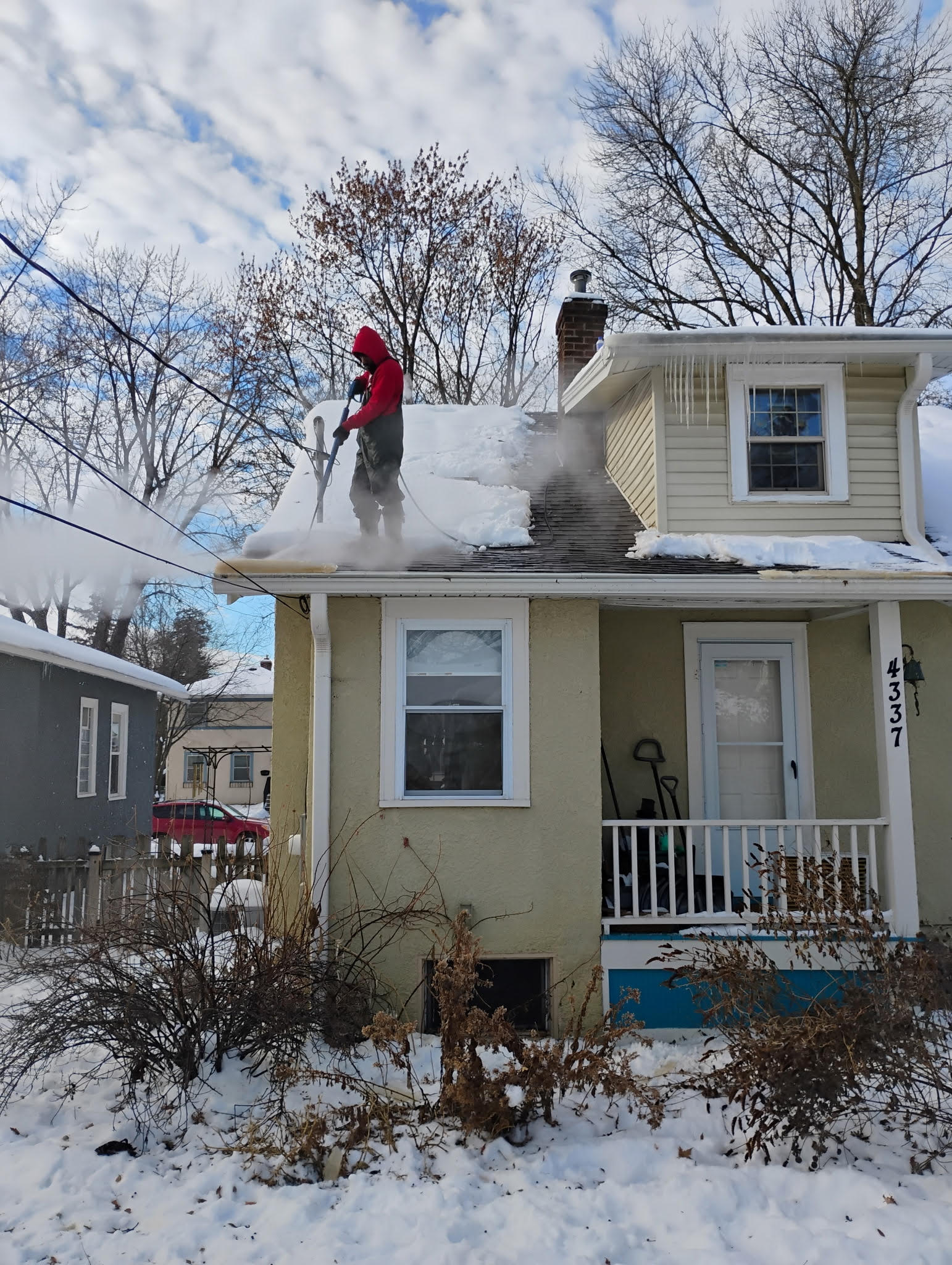
Ice Dam USA project photography, not identified as a Billings job.
An established home in a central Billings neighborhood may have a different winter roof problem than a newer house with a large, complex roofline in the West End.
Older homes may have attic air-leakage pathways, roof additions or insulation conditions that affect where snow melts.
Multiple roof planes, dormers and valleys can create concentrated snowmelt and localized ice buildup.
Wind exposure and drifting can leave uneven snow distribution across the same building.
These examples describe potential building conditions, not a claim that every property in a particular neighborhood has ice dams.
An ice dam is a ridge of ice that obstructs runoff on a roof. When additional meltwater collects behind that ridge, it can reach areas of the roof not designed to hold standing water.
Snow covers the roof, including valleys and eaves.
Heat escaping from the building or changing weather creates runoff.
Runoff reaches a colder section of roofing near the edge.
Repeated freezing builds a ridge that can trap new runoff.
A thick frozen ridge may prevent snowmelt from draining normally.
Fresh discoloration during a thaw can indicate water entering the building.
Intersecting roof slopes may concentrate runoff in one vulnerable area.
Complex roof intersections can create colder refreezing points.
Leaks that coincide with warm spells deserve assessment for ice damming or roof defects.
Large ice formations can endanger people below and make roof access difficult.
Icicles alone do not prove that a roof ice dam exists. The important question is whether an ice ridge is restricting drainage.
Removing ice that has bonded to shingles or flashing requires care. Aggressive tools or excessive pressure may damage roofing that is already exposed to severe winter conditions.
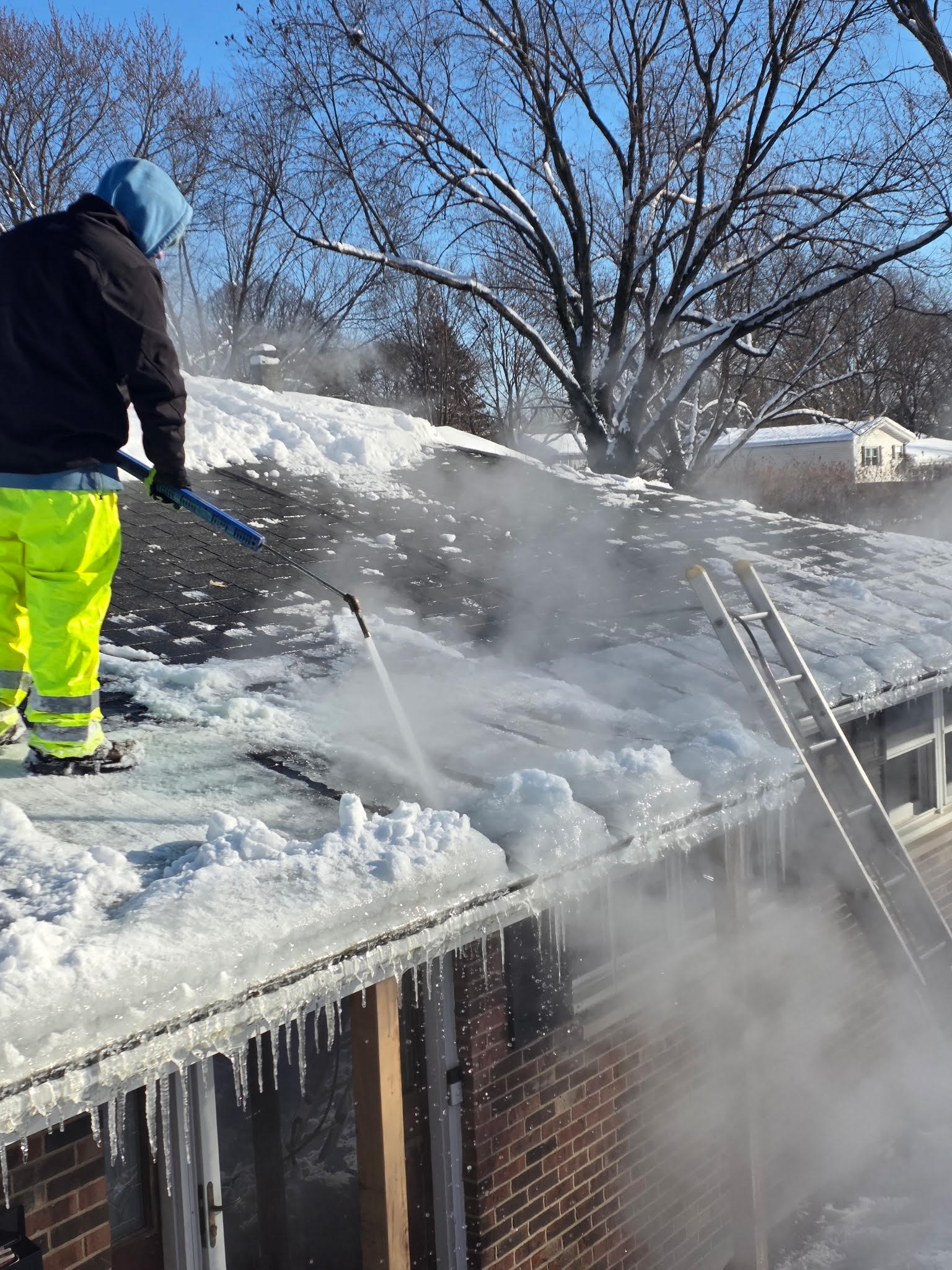
Ice Dam USA uses professional Arctic Steamers to melt roof ice using heat, reducing the need to strike or pry the frozen material.
True low-pressure steam melts ice in controlled sections when conditions permit safe work.
Improper use of mechanical tools or high-pressure liquid water can damage roof surfaces.
Steam is not a guarantee of zero damage. Existing roof deterioration, fragile materials, weather, equipment access and technician technique must all be considered.
An ice dam can stop snowmelt from flowing off the roof. Water that remains behind the ice may work under vulnerable roofing materials.
The resulting moisture can travel through framing and insulation before appearing on a ceiling or wall.
If water is actively entering your home, move valuables away from the affected area when safe. Stay clear of sagging ceilings and wet electrical fixtures.
Do not attempt to chip roof ice with an axe, hammer or other sharp tool. Climbing onto a snow-covered or icy roof carries serious fall hazards.
Removing the obstruction may allow water to drain more normally, but it cannot guarantee an immediate end to every interior leak. Some damage requires separate repairs and drying.
These details help us discuss the likely scope of work, availability and applicable scheduling options.
Contact Ice Dam USACutting a temporary drainage path may provide relief in certain situations, but it can leave substantial ice in place.
Ice Dam USA generally recommends removing all accumulated ice from the affected problem areas, when safe conditions and the agreed scope allow.
The technician and customer discuss the work area and removal scope before proceeding. Not every roof requires work across every section.
Your price depends on the size of the ice dam, number of affected areas, roof height, slope, access and scheduling.
Long ridges or ice in several roof valleys may require more work than a small localized area.
Steep roofs, multiple levels and difficult access require additional planning.
Expedited requests and long-distance assignments can affect the service category and price.
Ice Dam USA maintains one authoritative pricing page with current rates, minimums, booking terms and billing policies. Review that page before scheduling service.
Describe the ice, roof conditions and any active leaking.
Discuss the address, building height, roof configuration and access.
Review current availability, rates and booking terms.
Technicians use low-pressure steam in affected areas when work is safe.
Ice Dam USA welcomes service inquiries from Billings and surrounding areas. Nearby communities include Laurel, Lockwood, Shepherd and Huntley.
Our service model includes traveling technicians. Serving a community does not mean that Ice Dam USA operates a permanent office or has a crew stationed there. Please contact us to confirm availability for your address.
Geographic reference only. This map does not identify a physical Ice Dam USA office.
Recurring ice dams may indicate heat escaping from the living space into the attic, or other roof temperature and drainage conditions.
Sealing unwanted warm-air paths may reduce roof-deck heating during cold weather.
Insulation helps limit unwanted heat transfer toward the roof assembly.
Roof geometry, ventilation, shaded sections and recurring trouble spots may deserve further review.
Ice Dam USA specializes in removing existing roof ice. Insulation, air-sealing or roofing repairs may require other qualified professionals.
These Ice Dam USA gallery photographs illustrate roof ice removal conditions. They are not identified as Billings projects unless their locations have been confirmed.
Professional Ice Dam USA roof ice removal work.
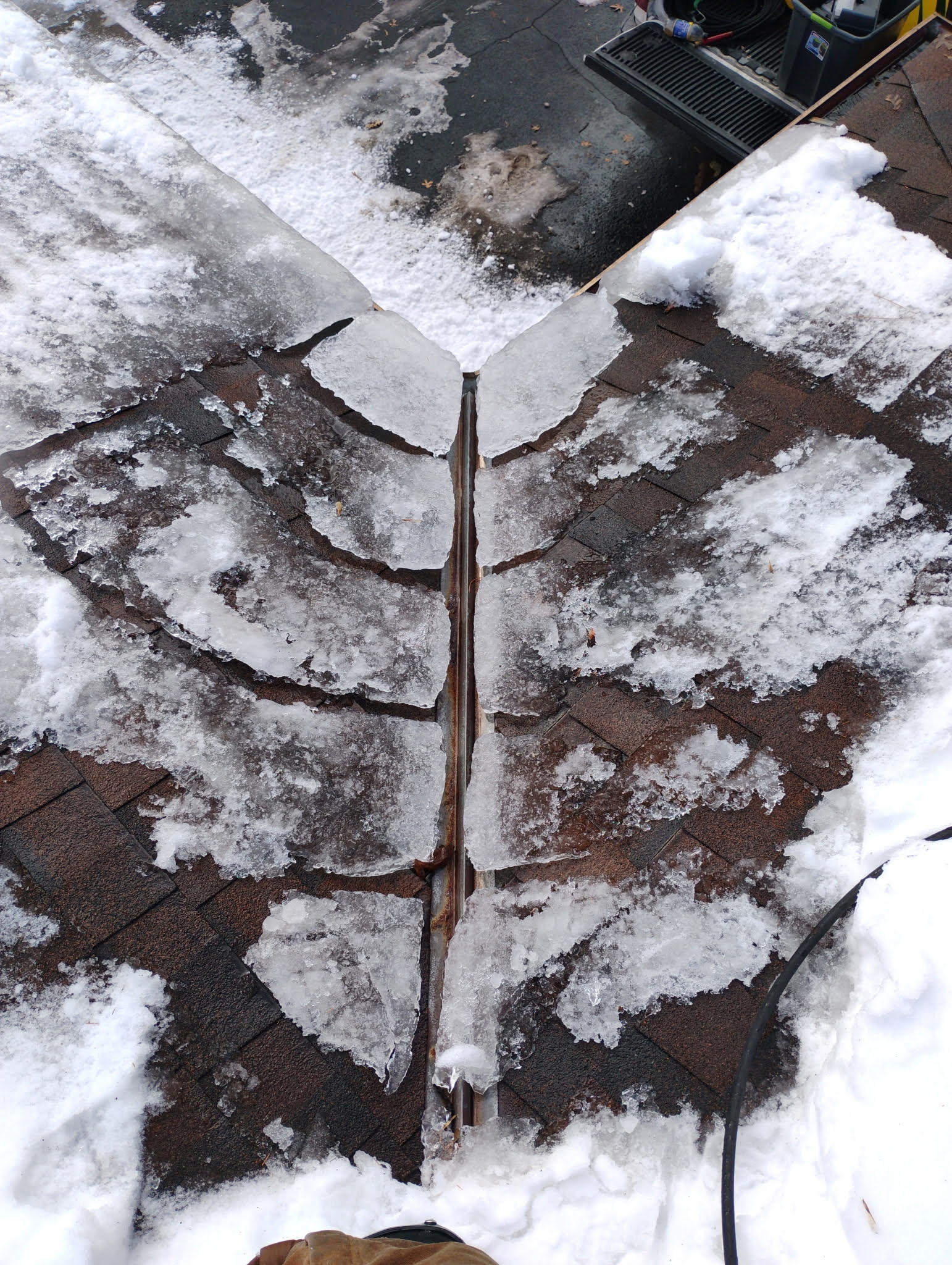
Ice buildup affecting a roof surface.
In addition to this Billings page, Ice Dam USA maintains a statewide Montana hub and a dedicated Missoula ice dam removal page. These are the other Montana roof ice dam pages currently confirmed on our site.
Yes. Ice Dam USA welcomes Billings ice dam removal inquiries and coordinates traveling technicians. Appointments depend on weather and availability.
A Chinook warming period can melt roof snow rapidly. Ice dams may develop if that water refreezes on colder roofing near the eaves.
Yes. Building heat can warm part of the roof enough to melt snow even when outdoor air is below freezing.
No. Icicles can form without a roof drainage obstruction. An ice dam is a ridge that interferes with meltwater drainage.
Yes. Meltwater trapped behind roof ice may reach vulnerable roofing areas and travel into the building. Other roof defects can also cause leaks.
Not necessarily. Removal may restore drainage, but water already inside the building or an unrelated roof defect may continue to cause interior moisture.
No. Ice Dam USA uses professional true low-pressure steam equipment rather than relying on high-pressure water jets to remove roof ice.
No. Roof material, existing damage, ice thickness, weather and technician technique all affect the work.
We generally recommend removing all accumulated ice from affected problem areas when safe and appropriate. The final scope is discussed with the customer.
Costs depend on the roof, ice, access and scheduling. See the current pricing page for rates, minimums and booking policies.
We offer standard and expedited scheduling options depending on roof complexity, location and current crew availability.
Attic air sealing, appropriate insulation and evaluation of problematic roof conditions may help reduce recurring ice dam formation.
Get professional ice dam removal using Arctic Steamers and true low-pressure steam. Contact Ice Dam USA about your Billings property and current service availability.
