
Smithfield Ice Dam Removal With Low-Pressure Steam
Smithfield's position in northern Cache Valley brings cold winters, roof snow accumulation and conditions that can allow ice dams to develop along eaves. When melting snow refreezes at a colder roof edge, it may block drainage and contribute to winter roof leaks.
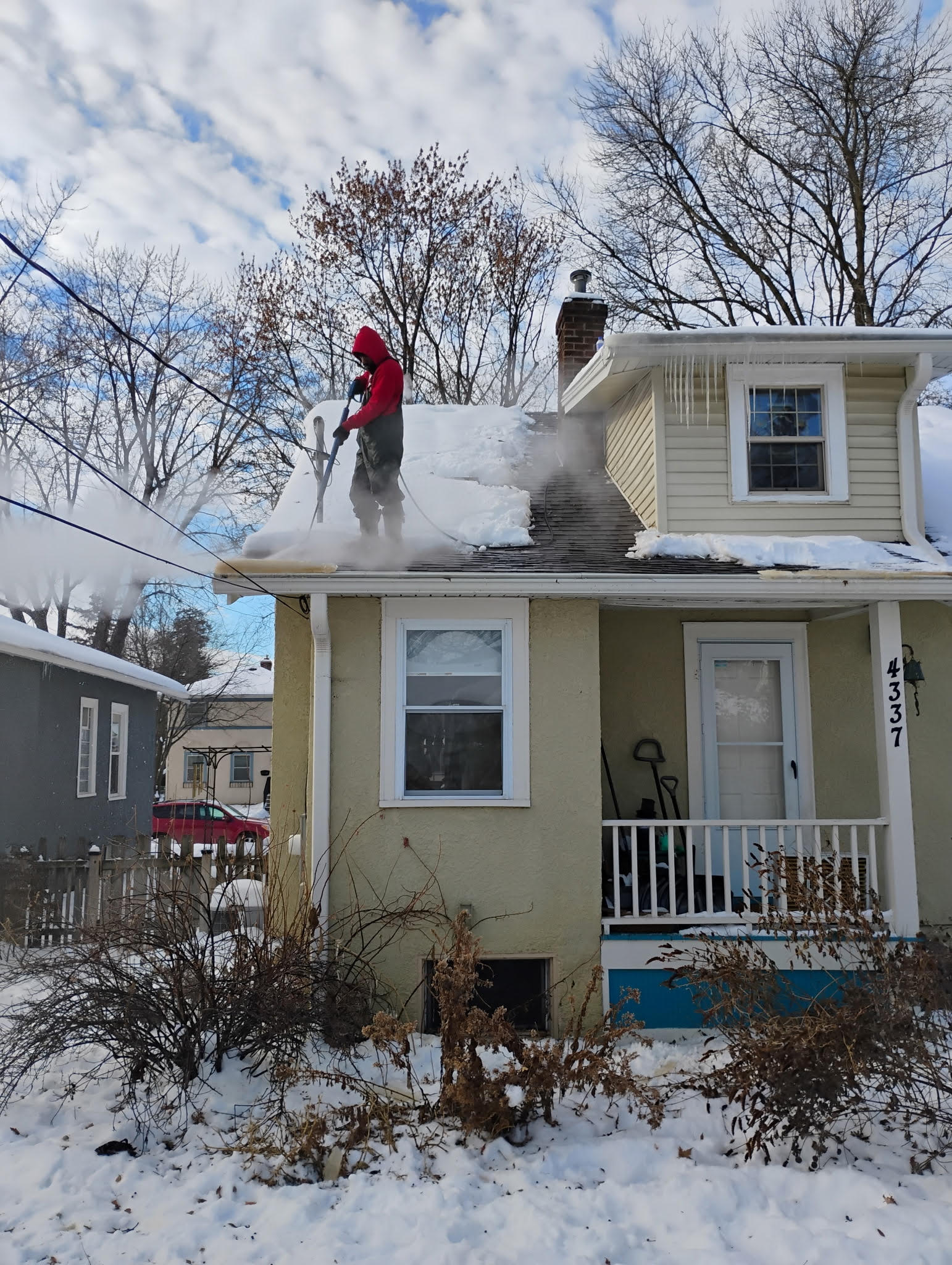
Ice Dam USA provides professional ice dam removal in Smithfield, Utah, using Arctic Steamers and true low-pressure steam. Our heat-based method melts existing roof ice without relying on aggressive chiseling or high-pressure water blasting.
We welcome requests from homes, rental properties and businesses in Smithfield and surrounding northern Cache County communities.
Scheduling depends on regional technician availability, weather, travel and safe roof access.
Why Smithfield Homes Develop Roof Ice Dams
Smithfield is located north of Logan in Cache County, near the western foothills of the Bear River Range. Winter temperatures can remain cold for extended periods, particularly during Cache Valley inversions.
Snow can linger on shaded roof slopes after a storm. Meanwhile, heat escaping from an attic or sunlight reaching exposed roofing can melt some of the accumulated snow.
That meltwater moves downhill toward the eaves. Roof overhangs often remain colder than roofing above heated living areas, allowing runoff to refreeze along the edge.
Smithfield homes may have long roof edges, attached garages, intersecting roof slopes or valleys where runoff collects. Conditions differ between properties near the foothills and those on the valley floor.
Ice dam formation depends on the roof's temperature, snow cover and drainage—not simply how cold it is outdoors.
Why Neighboring Smithfield Roofs May Ice Differently
Cold-air inversions: Valley temperatures can remain low while snow persists on roofs.
Foothill exposure: Elevation, wind and shade can affect snow retention.
Attic air leaks: Escaping indoor heat can warm snow from below.
Cold eaves: Overhangs may remain below freezing even when upper roof areas warm.
Roof design: Valleys and additions can concentrate snow and melting water.
From Accumulated Snow to a Frozen Roof Edge
An ice dam is a frozen barrier on the roof that obstructs runoff from melting snow.
Snow Remains
Roof snow collects around valleys, shaded slopes and changes in roof elevation.
Meltwater Forms
Sunlight or heat escaping from the building warms part of the snowpack.
Water Refreezes
Meltwater reaches colder eaves, forming an ice ridge that may trap later runoff.
Why Removing Roof Ice Takes Specialized Equipment
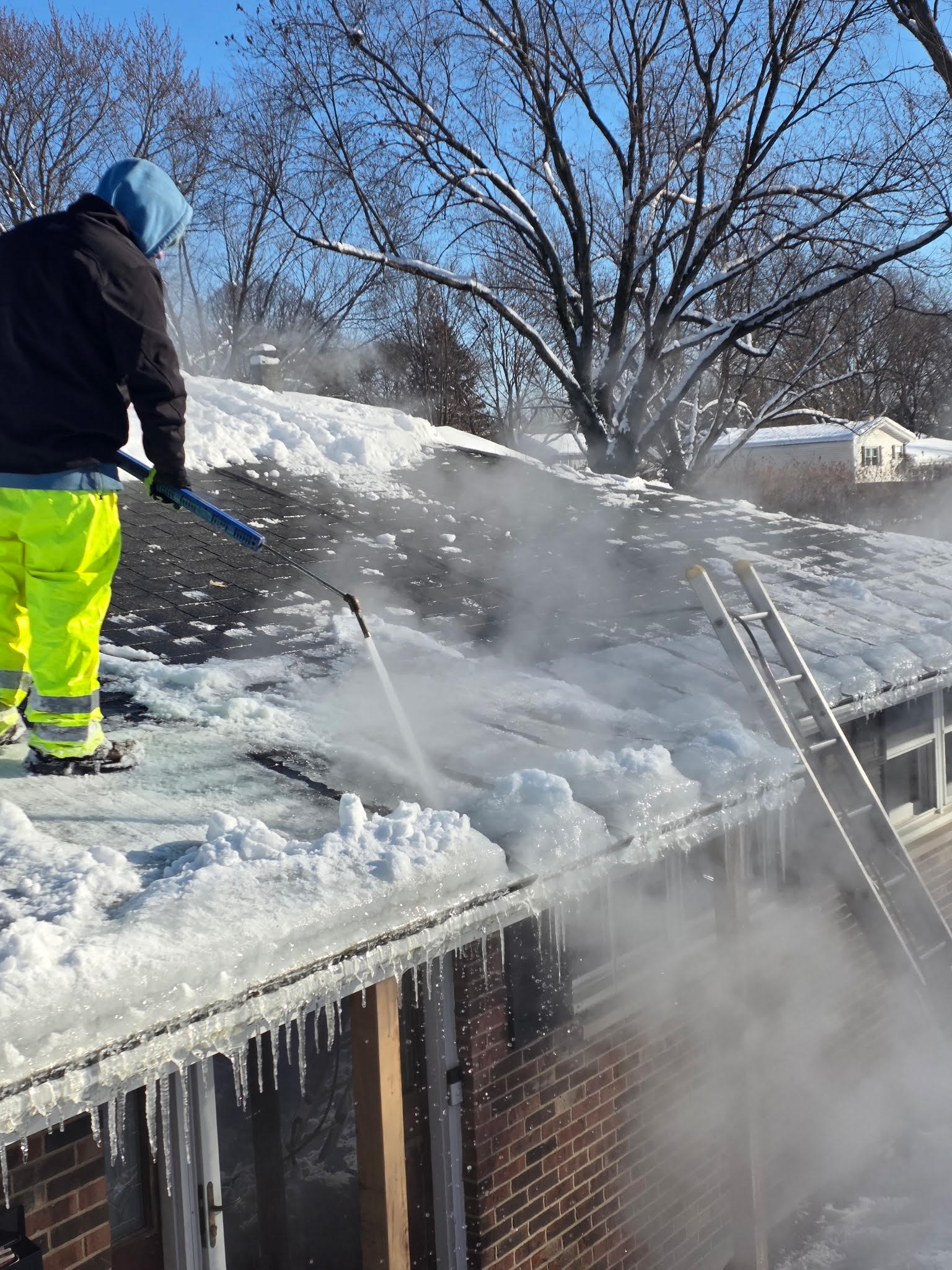
Thick ice may cover shingles, flashing, fasteners and roof transitions. Those materials can be difficult to see beneath frozen buildup.
Striking ice with an axe, hammer or chisel can damage the roof underneath. High-pressure water can also affect vulnerable roofing if used improperly.
Ice Dam USA uses low-pressure steam to melt the ice and reduce reliance on aggressive mechanical force.
Every job requires an assessment of the roof, worksite hazards, ice depth and safe access conditions.
View Actual Ice Dam USA ProjectsSigns Your Smithfield Roof May Have an Ice Dam
Ice Ridges at Eaves
Thick ice along the roof edge may interrupt normal drainage.
Interior Water Stains
New ceiling or wall stains during snowmelt deserve investigation.
Frozen Roof Valleys
Valleys may collect runoff from multiple roof slopes.
Large Hanging Icicles
Icicles can be hazardous, although they do not always indicate an ice dam.
Uneven Snowmelt
Differences in snow cover may suggest varying roof temperatures.
Recurring Winter Leaks
Moisture returning during winter thaws may be associated with ice dams or roof defects.
Smithfield Ice Dam Removal with Arctic Steamers
Our professional equipment melts ice primarily with heat rather than force.
True Low-Pressure Steam
Ice Dam USA uses Arctic Steamers and low-pressure steam for professional roof ice removal.
The method reduces reliance on hammers, chisels or high-pressure water directed at roofing.
Technicians consider roof slope, ice thickness, material condition, roof access and weather before work.
Removing an ice dam can help restore a drainage path, but existing roof defects may require separate repairs.
Professional Ice Dam Removal Service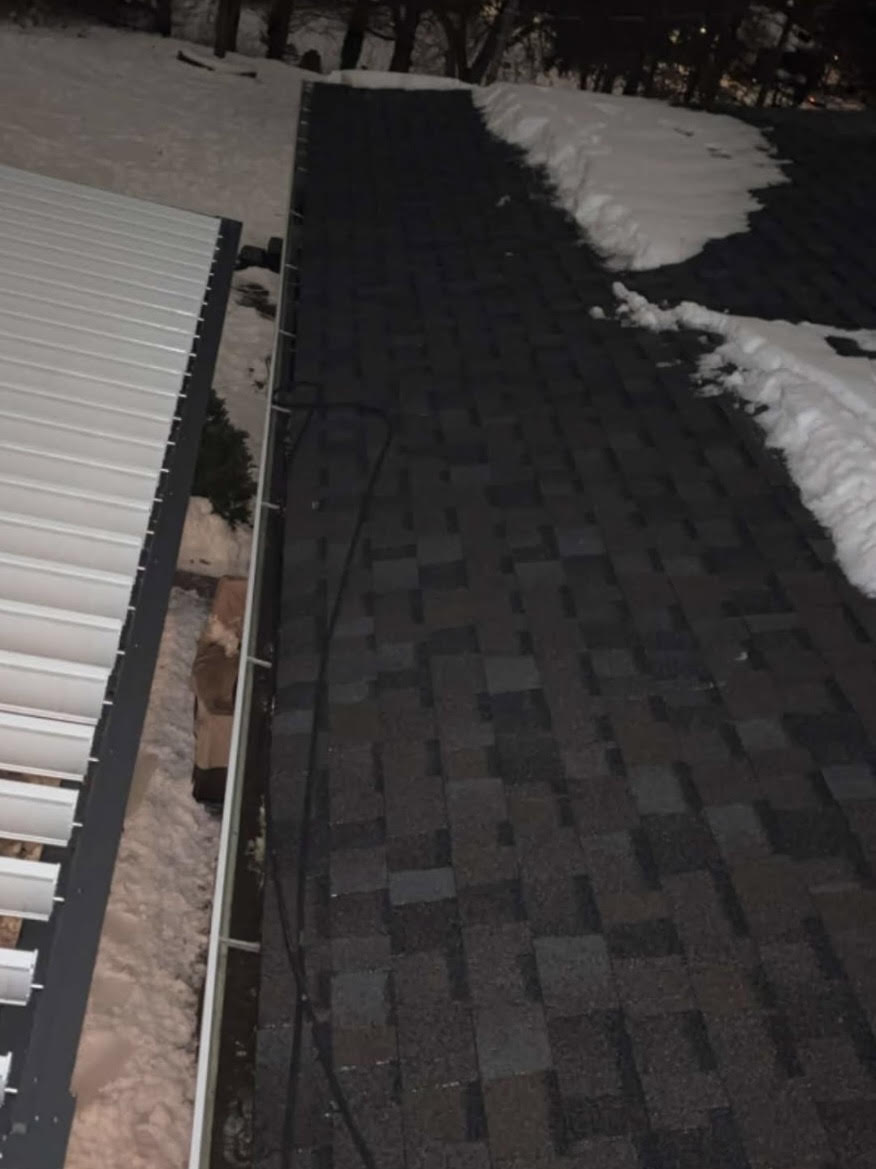
Low-Pressure Steam vs. Heated Pressure Washing
Arctic Steamers
True low-pressure steam applies heat to melt ice and reduces the need for forceful removal.
- Low-pressure steam
- Heat-based melting
- Less reliance on sharp tools
- Professional operator technique
- Site-specific safety assessment
Hot-Water Pressure Washers
Pressure washers deliver water under pressure. Excessive force may harm vulnerable roofing or flashing when misused.
- Pressurized water stream
- Force varies by machine settings
- May damage shingles if misused
- Can affect vulnerable roof joints
- Not our chosen steam equipment
Water Leaking Into Your Smithfield Home?
Water trapped behind a roof ice dam can reach vulnerable roofing materials and enter the building. However, winter leaks can also come from damaged flashing, roofing defects or other moisture sources.
Professional ice removal may help reopen drainage and limit continued buildup of trapped water. It does not guarantee that interior dripping stops immediately.
Water already inside roof or ceiling materials may continue moving, and separate repairs could be required.
Call About a Smithfield Roof Leak Request ServiceWhat to Do When Water Is Entering the Building
Stay safe: Avoid wet electrical fixtures and ceilings that appear unstable.
Protect belongings: Move valuables from the affected area when safe.
Document the problem: Photograph stains and visible roof ice from a safe location.
Have details ready: Provide your address, building height and affected roof areas.
Consider repairs: A roofer or restoration professional may need to address other damage.
Roof Ice Concerns Across Smithfield Properties
Foothill Homes
Sun exposure, elevation, roof pitch and shade can influence snow retention.
Established Neighborhoods
Older additions, porches and dormers can create complex roof transitions.
Newer Family Homes
Even newer roofs can develop ice dams if meltwater refreezes at eaves.
Attached Garages
Garage rooflines can produce different runoff patterns from the main roof.
Rental and Multifamily
Shared roofs may require coordination between owners and property managers.
Commercial Buildings
Larger roofs may require specialized worksite access and safety planning.
Smithfield and Nearby Ice Dam Removal Service Areas
We welcome requests across northern Cache Valley. Technician availability and safe winter access must be confirmed for each property.
Smithfield
Homes and commercial properties throughout Smithfield, including neighborhoods toward the foothills.
Hyde Park and North Logan
Nearby communities with residential roofs that may experience winter melting and refreezing patterns.
Logan ice dam removalRichmond and Northern Valley
Properties farther north in Cache Valley may face prolonged winter cold and snow accumulation.
Nearby Cache Valley Pages
Roof Ice Dams vs. Frozen Gutters
Roof Ice Dam Removal
Roof ice dams form where meltwater refreezes on colder roofing and creates a drainage barrier.
This Smithfield page addresses roof ice. For additional communities, visit the Utah ice dam removal hub .
Frozen Gutter Ice Removal
Ice within gutters, downspouts or outlets can restrict drainage, cause overflow and add weight to attachments.
Learn about our professional gutter ice removal service .
How Much Does Ice Dam Removal Cost in Smithfield?
The cost depends on the extent of ice, number of affected areas, building height, roof slope and access.
A single accessible roof edge may require substantially different work from ice on steep roof valleys or a multi-story building.
Ice Dam USA maintains its current rates, service minimums and billing details on the main pricing page.
View Current Ice Dam Removal PricingHelpful Information for Your Service Request
Location: Smithfield or nearby Cache County address.
Building: Home, rental or commercial property.
Roof: Stories, pitch and access restrictions.
Ice: Eaves, valleys or additional roof sections.
Leaks: Any active water entering the building.
Photos: Ground-level images taken safely.
Reducing Recurring Ice Dams in Smithfield
Steam removes the current ice obstruction. Recurring problems may require improvements to the building itself.
Attic Air Sealing
Reduce unwanted warm air leakage toward roof decking.
Proper Insulation
Limit heat transfer from indoor spaces into the roof assembly.
Attic Ventilation
Ventilation can support a properly sealed and insulated attic.
Roof Valley Assessment
Investigate roof intersections where snow and runoff collect.
Professional Snow Management
Qualified roof snow removal may help when site conditions permit safe work.
Roof Inspection
Repeated leaks may warrant professional roofing and flashing evaluation.
Scheduling Smithfield Ice Dam Removal
Contact Our Team
Provide the address, roof ice locations and any active leaks.
Review the Work
Discuss roof access, estimated scope, current pricing and crew availability.
Coordinate Steam Removal
The crew evaluates site safety and completes the agreed work when conditions allow.
Smithfield and Utah Ice Dam Removal Links
Smithfield Ice Dam Removal FAQs
Does Ice Dam USA provide ice dam removal in Smithfield?
Ice Dam USA welcomes Smithfield and northern Cache Valley service requests. Scheduling depends on regional availability and safe access.
Why can Smithfield homes develop roof ice dams?
Accumulated snow may melt from sunlight or heat escaping through the roof. Water can then refreeze at colder eaves and restrict drainage.
Do Cache Valley inversions contribute to ice dam conditions?
They can contribute to prolonged cold at lower elevations. Ice dams also depend on roof temperature, snow cover and drainage.
Can ice dams form even when outdoor temperatures stay below freezing?
Yes. Heat escaping from a building can melt roof snow while colder overhangs remain frozen.
Does every icicle mean there is a roof ice dam?
No. Icicles can form without a substantial roof ice dam. The key question is whether ice is obstructing runoff.
Does Ice Dam USA use Arctic Steamers?
Yes. We use Arctic Steamers and low-pressure steam for professional ice dam removal.
How does steam differ from pressure washing?
Low-pressure steam relies mainly on heat to melt ice. Pressure washers deliver water under pressure. Aggressive pressure may damage roofing if misused.
Is steam ice removal completely risk-free?
No. Existing roofing condition, ice depth, operator technique and safe access all matter.
Can ice dams cause ceiling or wall leaks?
Yes. Trapped meltwater can enter vulnerable roofing materials. Other building defects can also cause leaks.
Will ice removal immediately stop a roof leak?
Not necessarily. Clearing an obstruction may improve drainage, but trapped water or roof defects may require additional attention.
How much does ice dam removal cost in Smithfield?
Pricing depends on the roof height, pitch, access and extent of ice. See our current pricing guide .
Can ice dams form on a roof without gutters?
Yes. Ice dams form on roof surfaces and do not require a gutter system.
How can I reduce future ice dam buildup?
Attic air sealing, proper insulation, suitable ventilation and evaluation of roofing can help reduce recurring problems.
Roof Ice Building Up on Your Smithfield Property?
From roof-edge ice to winter water intrusion, contact Ice Dam USA about professional low-pressure steam ice dam removal in Smithfield and nearby northern Cache Valley communities.
Call 855-468-4233 Request Smithfield Ice Dam Removal