
Frozen Culverts & Drainage Blockages
When water cannot move through a culvert, winter ice can become a spring flooding problem.
Driveway culverts, roadside drainage pipes and outdoor channels can become blocked when ice, snow and debris restrict the water's path.
A frozen culvert may remain unnoticed until a thaw or rainfall sends runoff toward the obstruction. Water can then collect near driveways, roads and property.
This guide explains common causes, warning signs, safety issues and professional clearing considerations. Culvert thawing is not currently a verified Ice Dam USA service.
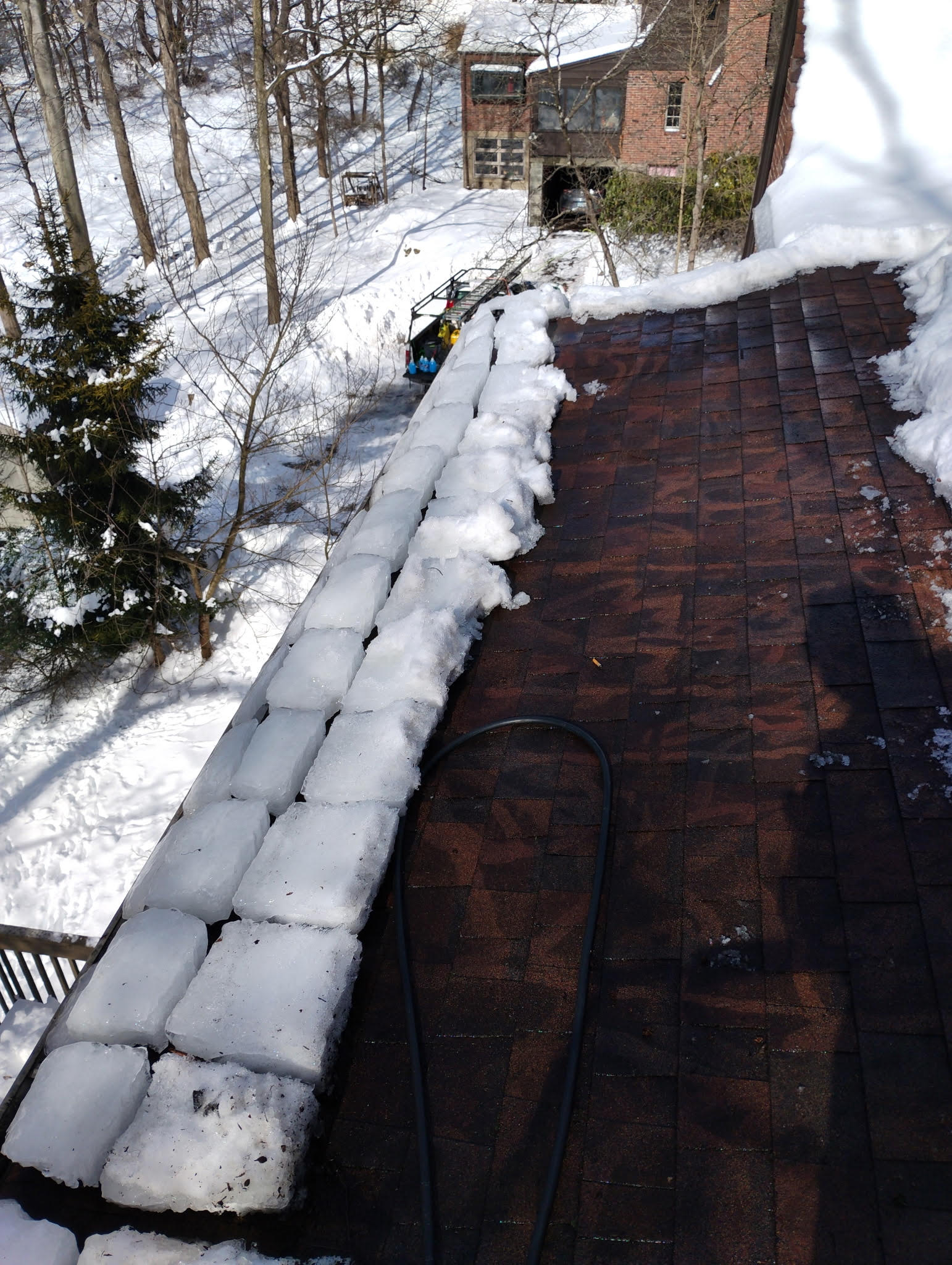
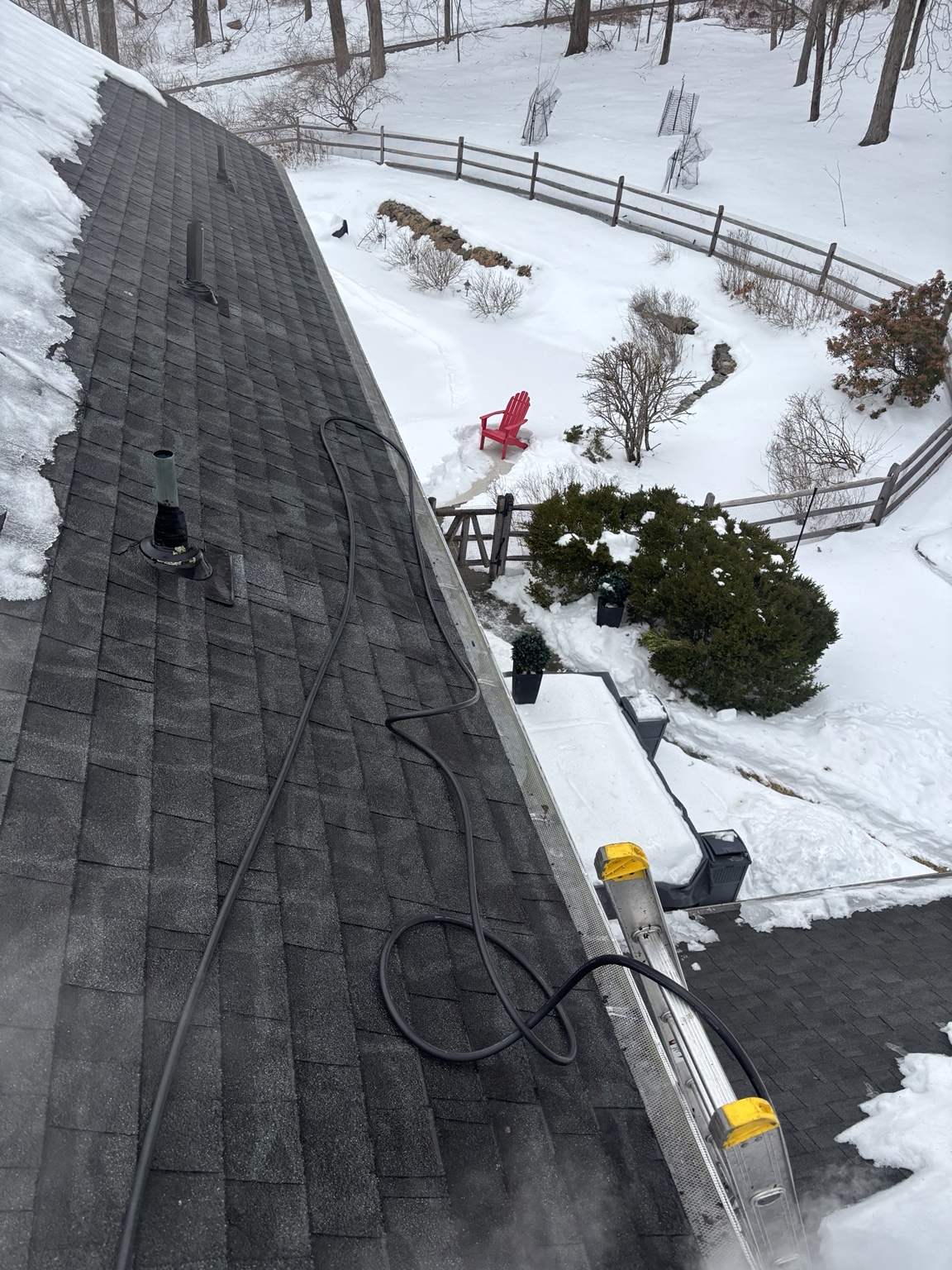
Original Ice Dam USA roof-ice image, illustrating ice buildup rather than a culvert-clearing project.
Why Culverts Freeze During Winter
A culvert's purpose is to carry runoff beneath a driveway, road or embankment. Several conditions can obstruct it.
Poor Drainage Slope
Water that remains in a low section of pipe can freeze, gradually reducing capacity.
Blocked Inlets
Snow pushed into a ditch may cover the entrance and restrict runoff.
Leaves & Sediment
Organic material, gravel and sediment can reduce flow and create places where ice accumulates.
Repeated Refreezing
Daytime runoff can freeze again overnight and gradually restrict the pipe.
Blocked Discharge
Even if the inlet is open, ice at the outlet can prevent water from leaving.
Structural Problems
A crushed, displaced or deteriorated culvert may restrict drainage independent of ice.
Why Frozen Culverts Can Cause Local Flooding
A culvert may appear harmless while the surrounding ground is frozen and little water is moving.
But when temperatures increase or rainfall begins, water from upstream areas can reach the obstruction faster than it can drain.
Depending on the terrain, that runoff may pond near the driveway, overflow toward a road or erode the surrounding soil.
Water can also flow toward structures if drainage patterns are altered.
Because culverts often lie beneath roads and driveways, an underlying structural issue should not be assumed to be ice alone.
Signs a Culvert Needs Assessment
Standing water: Ponding upstream.
No visible flow: Water collects but does not exit.
Ice at the outlet: Visible frozen obstruction.
Driveway movement: Erosion or settling.
Repeated flooding: Problems during each thaw.
Debris buildup: Sediment or vegetation restricting flow.
How a Frozen Culvert Should Be Evaluated
Identify Ownership
Determine whether the culvert belongs to the property owner, municipality, road authority or another entity.
Review Drainage
Understand upstream runoff, pipe size, inlet and outlet conditions.
Assess the Area
Traffic, moving water, deep ice and unstable embankments create hazards.
Confirm the Obstruction
Distinguish ice from sediment, collapse or other debris.
Select the Correct Method
A qualified drainage contractor can determine the appropriate equipment and procedure.
Address Recurring Issues
Maintenance, grading, pipe condition and water flow may need review.
What Not to Do Around a Frozen Culvert
Avoid entering culverts or confined drainage spaces. Do not stand in fast-moving water, work beneath unstable ice or interfere with roadway drainage without authorization. Flooded roads or undermined driveways may be unsafe to cross.
Avoid Open Flames
Improvised heating can damage culvert materials and create fire or injury hazards.
Avoid Forceful Excavation
Digging or striking frozen pipes can damage the culvert or surrounding road structure.
Contact the Responsible Party
Public drainage issues should be reported to the appropriate road or municipal authority.
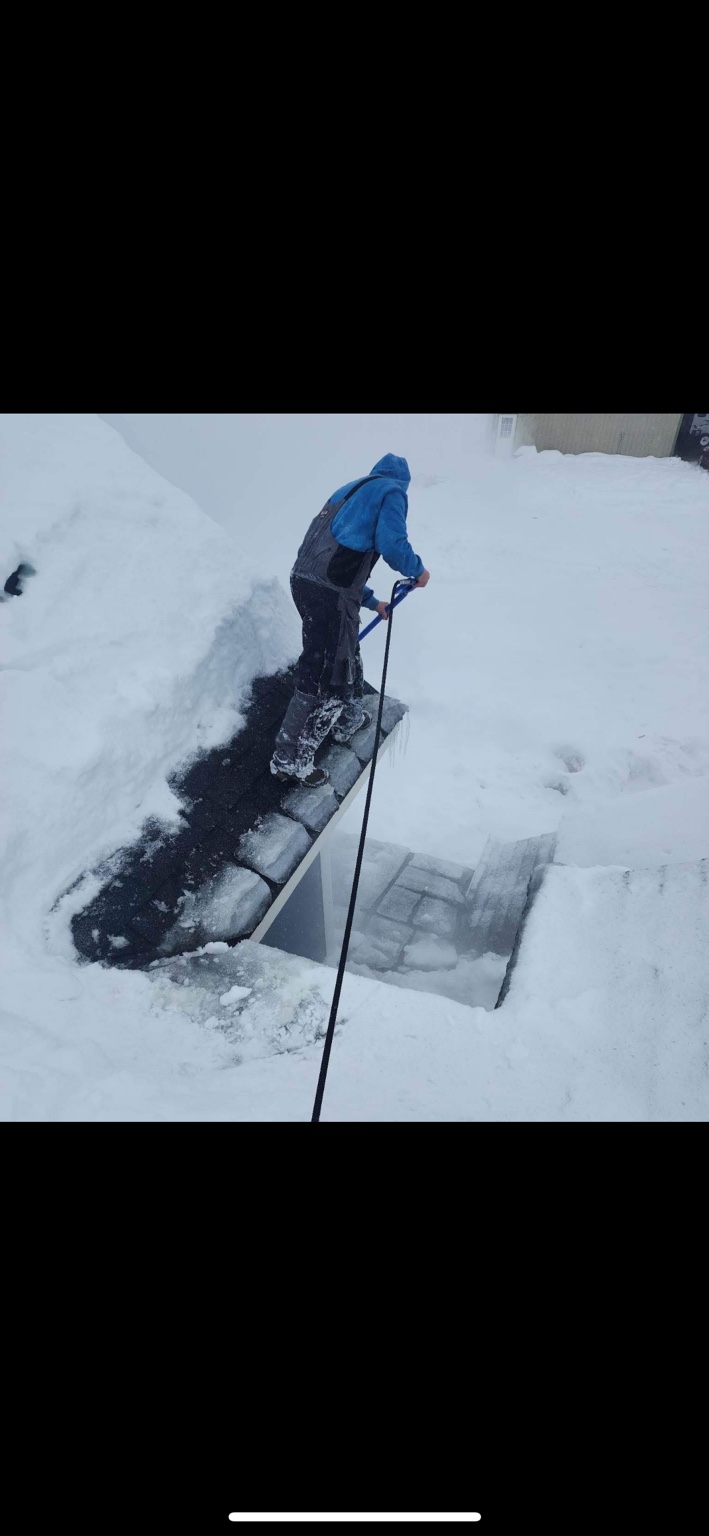
Why True Steam Is Better for Ice Dam Removal
Ice Dam USA's low-pressure Arctic Steamers are designed for professional roof ice removal.
This equipment uses heat rather than aggressive high-pressure water to remove ice dams.
Outdoor drainage systems have different requirements. Pipe material, diameter, length, condition and surrounding infrastructure must be evaluated.
A roof ice steamer should not be assumed appropriate for a culvert or buried drainage system.
For roof problems, explore professional ice dam removal . For culverts, consult a qualified drainage contractor.
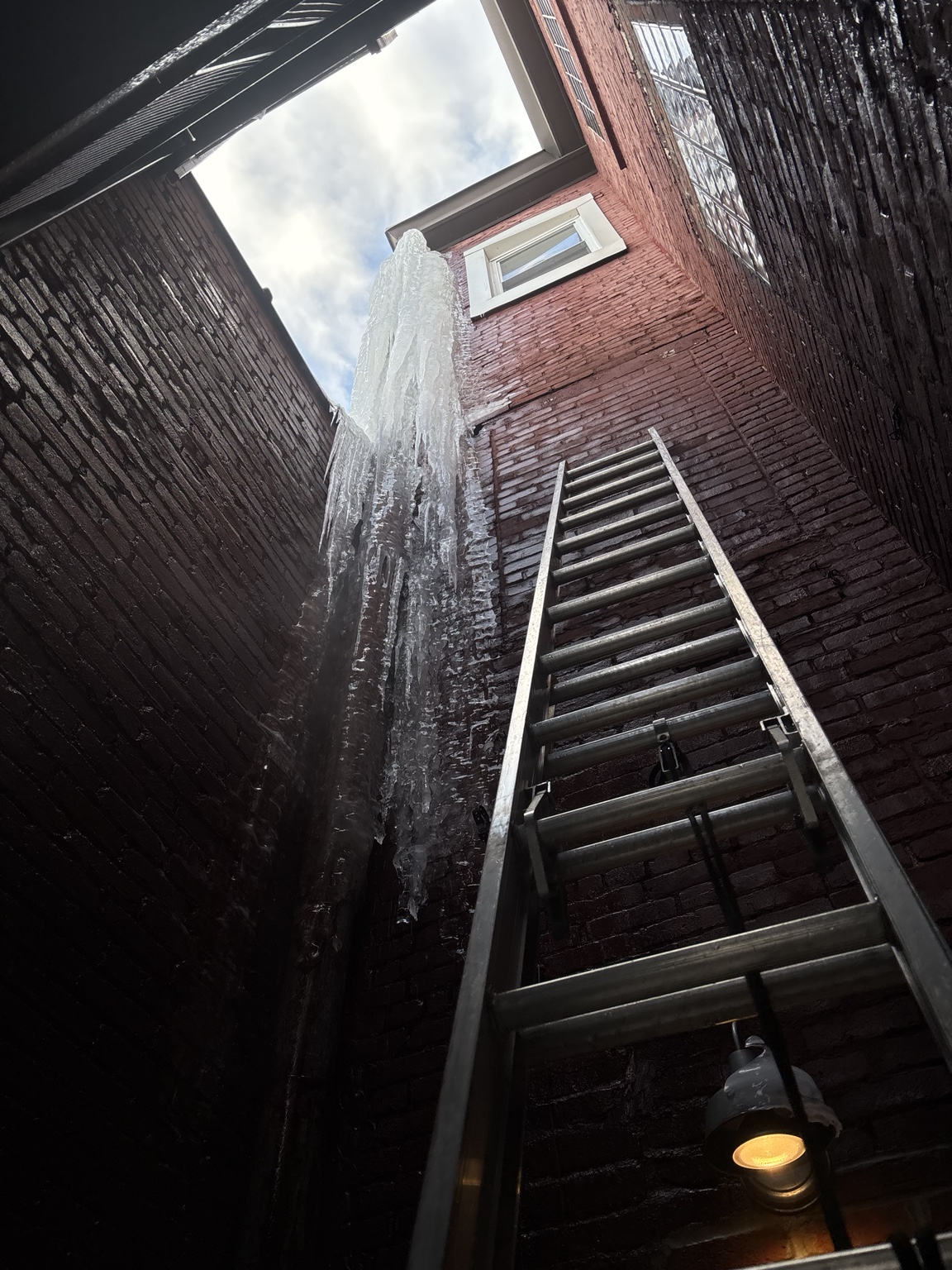
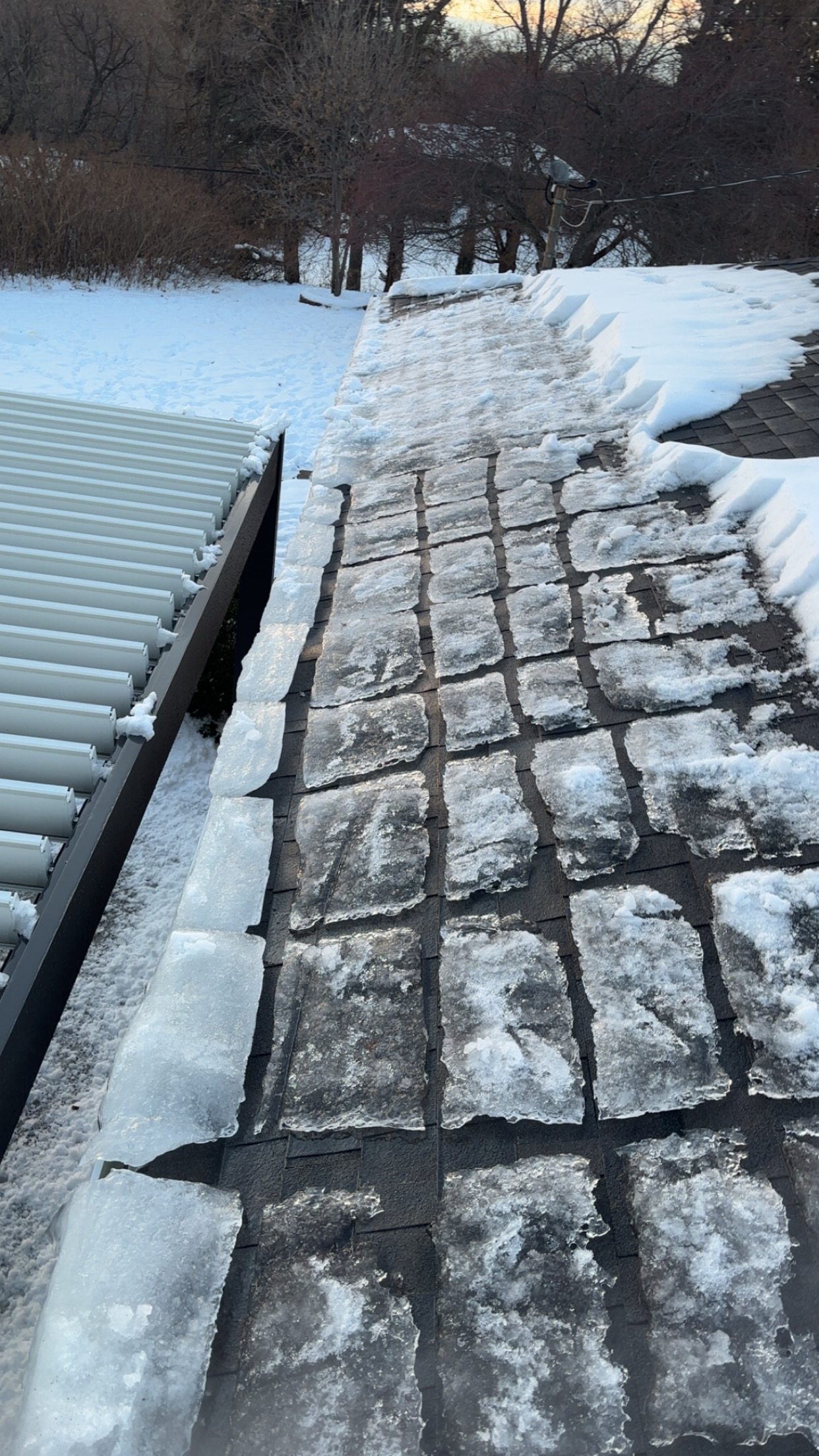
Examples of Ice Obstructions on Roofs
These gallery images illustrate the company's confirmed roof ice removal specialty, not culvert clearing.
Frozen Culvert & Drainage FAQs
How do I know if my culvert is frozen?
Water pooling upstream, visible ice at an inlet or outlet and reduced flow during a thaw are potential signs.
Can frozen culverts cause driveway flooding?
Yes. When water cannot pass through the pipe, runoff may collect upstream or flow around the driveway.
Is it safe to thaw a culvert myself?
Traffic, moving water, unstable ice and damaged infrastructure can make DIY clearing dangerous. Seek qualified help.
Can boiling water thaw a long culvert?
Improvised hot-water methods may be ineffective and create scalding or refreezing hazards.
Could the problem be debris instead of ice?
Yes. Sediment, vegetation, pipe damage and other obstructions can restrict drainage even without freezing.
Who is responsible for a roadside culvert?
Responsibility varies by local law, road ownership, permits and property arrangements. Check with the appropriate authority.
Does Ice Dam USA provide culvert thawing?
Culvert thawing is not a confirmed service on this page. Contact a qualified drainage contractor.
How can I reduce repeated winter blockages?
Drainage maintenance, correcting grading problems and addressing damaged culverts may help. A professional can assess the site.
Confirmed Ice Dam USA Roof Services
Dealing With Roof Ice Rather Than a Culvert Blockage?
Ice Dam USA specializes in professional low-pressure steam removal of roof ice dams. For frozen culverts or roadway drainage, consult a qualified drainage contractor or the responsible public authority.
