
Ice Dam Removal in Williston, ND.
When a solid ridge of roof ice blocks melting snow from draining, water may find its way beneath vulnerable roofing.
Ice Dam USA specializes in professional low-pressure steam ice dam removal for Williston homes, businesses and larger buildings.
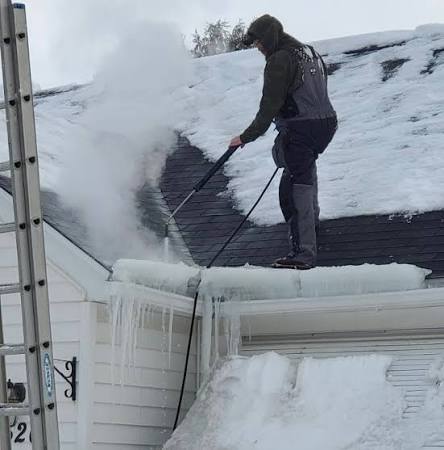 ICE DAM USA / ACTUAL PROJECT GALLERY
Roofs exposed to a northern prairie winter.
Williston sits in northwestern North Dakota, north of the Missouri River, in Williams County. The surrounding region includes open prairie, river valleys and varying building exposures.
Winter wind can move snow away from one roof slope while piling it against a dormer, parapet, roof valley or lower roof section.
Building temperature and insulation can be equally important. If snow melts over a warmer portion of roofing, the water can run downhill and refreeze at a colder edge.
A growing ice ridge can stop additional water from draining normally, potentially allowing moisture to reach roofing transitions, flashing or interior materials.
Williston's individual roof designs matter more than any general assumption about regional weather. Each roof requires its own evaluation.
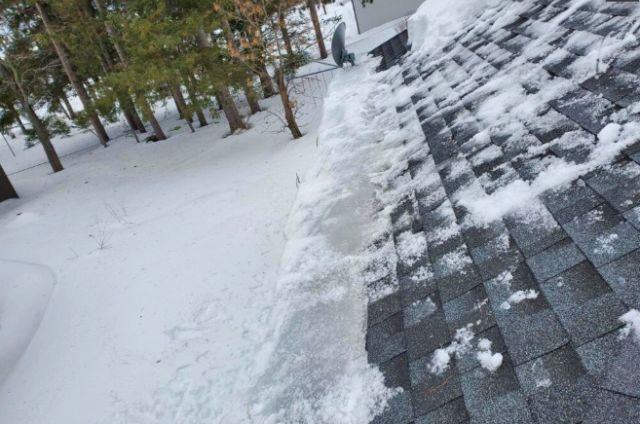
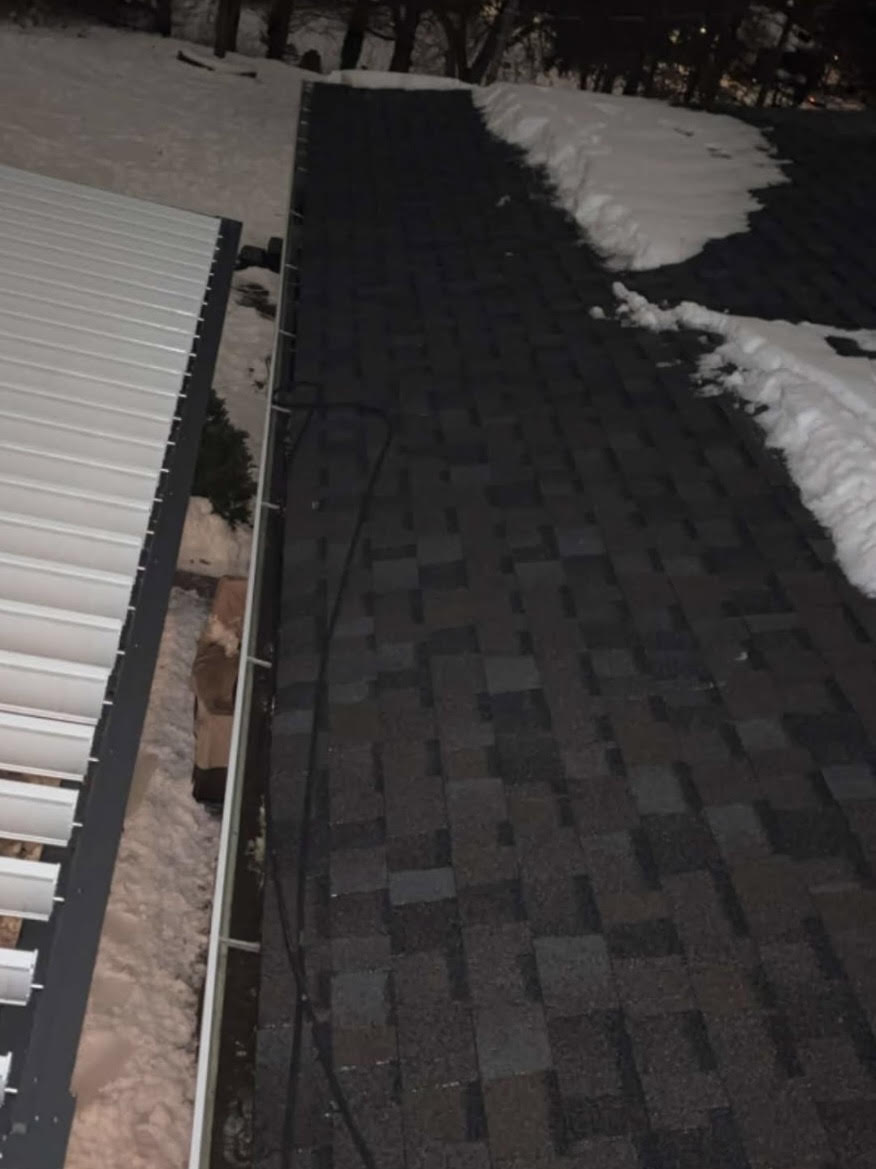
Why one Williston roof can ice over while another doesn't.
Wind and snow exposure
An exposed roof may lose much of its snow during a windy period, while another roof accumulates deep drifts in sheltered sections.
Roof valleys, parapets and changes in elevation can concentrate snow. These are locations worth evaluating, not proof that an ice dam exists.
Heat and drainage
Heat escaping through ceilings, attic air leaks and roof details may contribute to uneven roof temperatures.
Meltwater flowing onto colder roofing can freeze. Repeated cycles may create a drainage obstruction and lead to water buildup.
A nearby river doesn't cause roof ice dams.
Williston's regional geography provides useful context, but ice dams form because of snowmelt and refreezing on individual buildings. River flooding and roof ice dams are separate issues.
Four stages of an ice dam.
Snow accumulates.
Winter snow remains on roof slopes, valleys and sheltered sections.
Meltwater develops.
Roof warmth, sunlight or changing temperatures melt some snow.
The water refreezes.
Water reaches colder roof edges and becomes ice.
Drainage is restricted.
The resulting ridge can hold back additional water and create leak conditions.
Educational diagram only. Not to scale.
Can ice dams form below freezing?
Yes. Snow can melt over a warmer part of the roof even when the outdoor air is below freezing.
When the meltwater reaches a colder roof edge it can freeze again.
Ice dams are not limited to roofs with gutters. Frozen gutters can happen alongside a roof ice dam, but the two are not identical.
Learn more from our ice dam prevention resource .
Real steam equipment. Not a high-pressure shortcut.
Ice Dam USA uses custom low-pressure steamers designed for professional ice dam removal.
Steam uses heat to melt ice. It avoids the reliance on forceful water pressure associated with hot-water pressure washers.
This is especially important around shingles, flashing, roof valleys and gutters, where established ice can bond to the surface.
Technicians consider roof access, existing material condition, ice thickness and weather before determining how the agreed work should be performed.
Low-pressure steam can reduce the risks associated with aggressive chopping or blasting. No ice removal method is entirely risk-free.
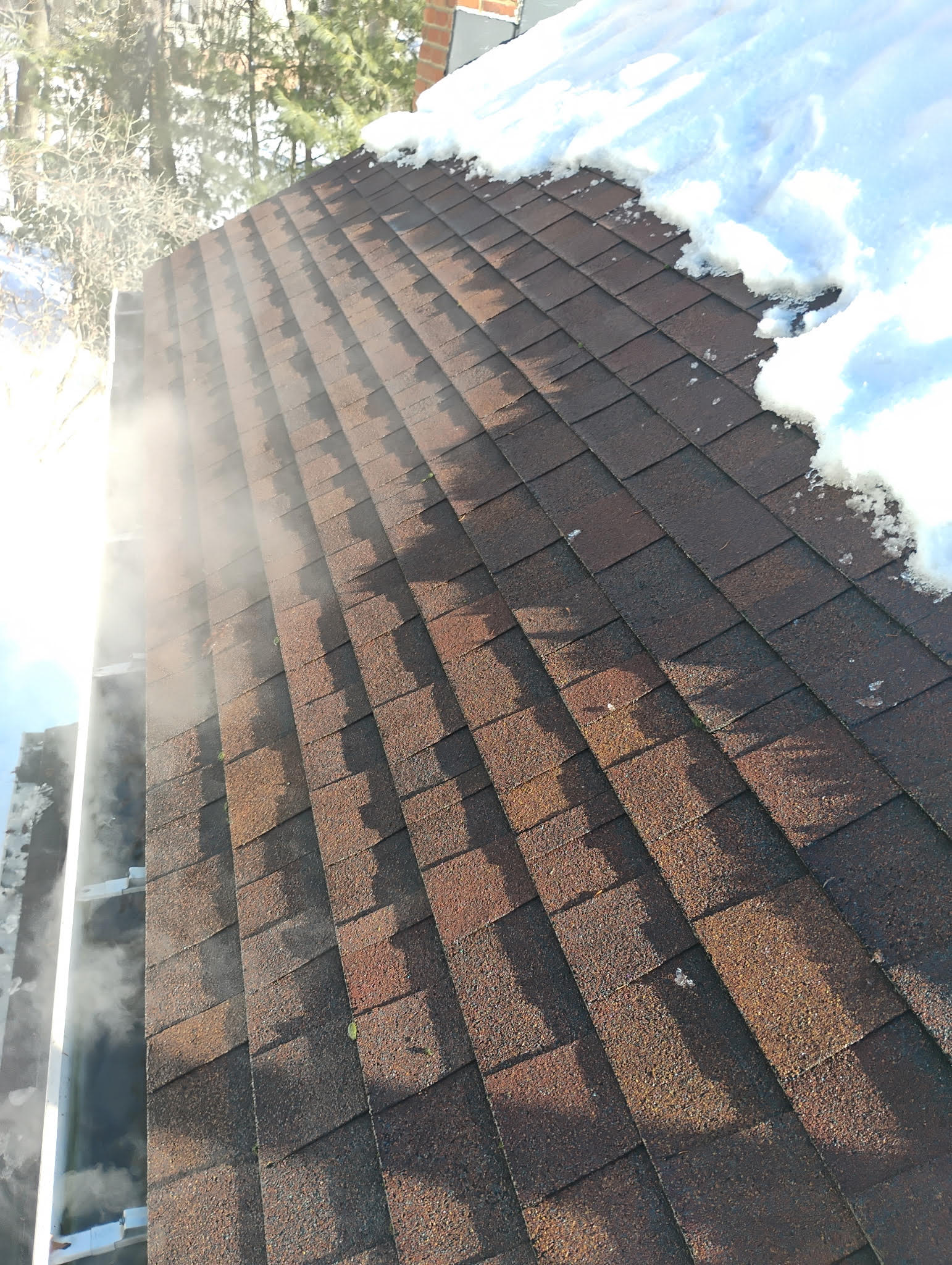
More information is available in our equipment and service FAQs .
Know what you're looking at before it becomes a leak.
- Ice ridges along roof eaves
- Heavy icicles near entrances
- Ice accumulating in roof valleys
- Unusual patterns of snowmelt
- New stains on ceilings or walls
- Recurring winter water intrusion
Never climb onto an icy roof.
Snow-covered roofing, frozen ladders and falling ice can create serious injury risks. Do not attempt to chop ice with axes or hammers, melt it with flames, or pressure wash your shingles.
Heavy icicles do not always indicate an ice dam, and not every winter leak is caused by ice buildup.
Take care of people first. Then the property.
If water appears indoors during winter, stay clear of wet electrical equipment and unstable ceilings.
Move belongings if safe, contain dripping water where practical, and document visible damage.
Ice removal may improve roof drainage, but water already within roofing materials may continue moving. Roofing defects may require separate repairs.
See our emergency ice dam removal page for more information.
Useful information before contacting us
The property: Address in Williston, building height and roof configuration.
The ice: Where buildup is visible, roof valleys, and affected sections.
The leak: Whether there is active dripping or visible damage indoors.
If possible, take photos from the ground or another safe location.
Different roofs. Different access and drainage needs.
Residential buildings
Roofs on homes, townhomes and connected garages may develop ice along eaves, dormers and valleys.
The age of the home alone does not determine whether ice dams will form.
Commercial buildings
Larger buildings can involve taller access points, more complex roof configurations, and different equipment needs.
A job's scope depends on the building, safe access and crew availability.
The roof determines the scope.
Ice dam removal costs depend on the actual project, not just the location of the property.
- Roof height and pitch
- Ice thickness and extent
- Complex roof sections
- Equipment and hose access
- Time required for removal
- Travel and scheduling
- Weather and site safety
See our dedicated pricing page for current rates, minimums and booking policies.
Removing ice is not the same as preventing it.
Steam removal addresses existing ice. If the roof continues losing heat unevenly, new ice may form during future winter weather.
Qualified professionals can investigate attic air leakage, insulation, ventilation and roof assembly conditions that contribute to repeated problems.
Recurring ice? Areas to investigate.
- Attic air sealing
- Insulation coverage
- Ventilation design
- Roof valleys and flashing
- Roof temperature differences
Also see our attic insulation resource . Insulation-service availability may differ by location.
What happens after you call.
Describe your property.
Share the Williston address, roof height, affected ice and possible leak symptoms.
Discuss availability.
Review pricing, equipment needs, travel and standard or expedited scheduling.
Confirm the work.
If scheduled, technicians evaluate site conditions and perform the agreed removal when safe.
Winter weather can affect scheduling.
Temperatures around or below 10°F, high winds, hazardous roof conditions or winter travel may require postponement. When Ice Dam USA delays work for safety, customers retain their scheduling position and booking credit under company policy.
Make an informed decision about your roof.
These resources explain the equipment, removal process, emergency conditions, costs and recurring ice issues.
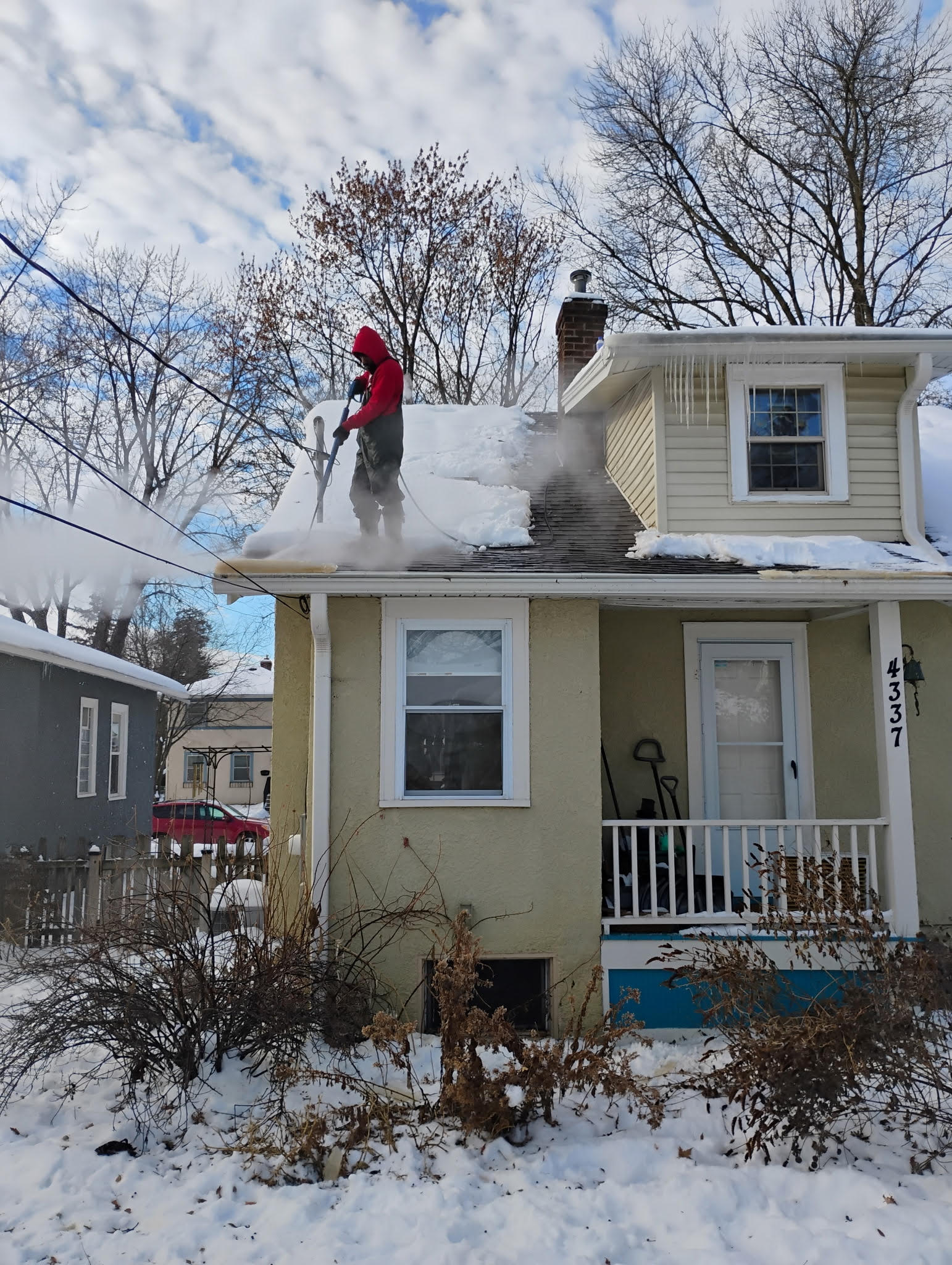
Actual roof ice. Actual project photos.
Our gallery documents roof ice buildup, frozen gutters, ice removal and drainage conditions from real projects.
These photographs come from different service areas and are not represented as confirmed Williston jobs.
Specialized service in northwestern North Dakota.
Ice Dam USA coordinates traveling crews rather than claiming permanent offices in every service community.
We welcome Williston inquiries subject to location, crew availability, weather and travel conditions.
For other North Dakota properties, use their dedicated service page or the statewide directory.
Geographic reference only. Not a permanent Ice Dam USA office.
Williston ice dam removal FAQs.
Does Ice Dam USA offer ice dam removal in Williston?
Ice Dam USA welcomes ice dam removal inquiries from Williston, ND. Scheduling depends on crew availability, winter travel, roof access and weather.
What causes ice dams on Williston roofs?
Snow melts on warmer roof sections and refreezes at colder eaves, creating a ridge that may obstruct additional drainage.
Can wind-driven snow contribute to ice dams?
Wind can create sheltered drifts and uneven snow accumulation. Ice dams can form when melting and refreezing occur.
Can ice dams develop below freezing?
Yes. A warm roof surface can melt snow while the outside air stays below freezing. Water may refreeze near colder eaves.
What equipment does Ice Dam USA use?
Ice Dam USA uses custom low-pressure steamers rather than aggressive hot-water pressure washers.
What are the advantages of steam removal?
Steam uses heat to melt ice while reducing reliance on chopping or forceful blasting. Professional care remains necessary.
Is low-pressure steam completely risk-free?
No. All roof ice removal work carries risk, particularly around damaged or vulnerable roof materials.
Do I need water and electricity available?
Ice Dam USA's FAQ identifies a water source and standard 110V outlet. Discuss access before scheduling.
Can you remove frozen gutter ice?
Ice Dam USA provides steam-based gutter ice removal where appropriate. See our gutter ice removal guide .
How much does ice dam removal cost in Williston?
Costs depend on roof conditions, ice accumulation, travel, accessibility and scheduling. Review our current pricing .
Can I request expedited service?
Expedited scheduling may be available, depending on crews, winter weather, travel and project requirements.
Will ice removal immediately stop a roof leak?
Not necessarily. Removing ice may restore drainage, but water already within roofing materials may continue moving. Existing defects may require repair.
