Ice Dam Removal in Hazen, ND.
When roof ice begins blocking winter drainage, the equipment and removal method matter. Ice Dam USA provides professional low-pressure steam ice dam removal for homes and commercial buildings in Hazen.
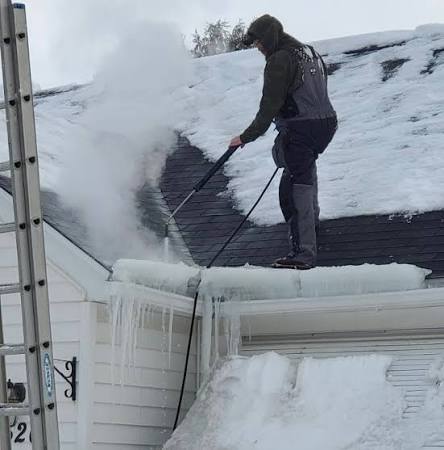
Our experienced crews use professional Arctic Steamers to melt accumulated ice without relying on aggressive chopping or high-pressure washing.
Different rooflines. Different snow conditions. The same winter risk.
Hazen is located in Mercer County along North Dakota Highway 200, south of Lake Sakakawea. Its neighborhoods, commercial buildings and surrounding open countryside create varied roof exposures.
Winter winds can move snow away from an exposed slope and leave deeper accumulation in sheltered valleys, dormers and roof transitions.
Those snow patterns matter when the roof beneath them becomes warm enough to produce meltwater.
The water flows toward colder roof edges, where it may refreeze into a growing ice ridge. As the ridge develops, drainage becomes increasingly restricted.
The amount of snow alone doesn't tell the whole story. Roof temperatures, attic conditions and building geometry can be just as important.
Ice dams form when meltwater loses its way off the roof.
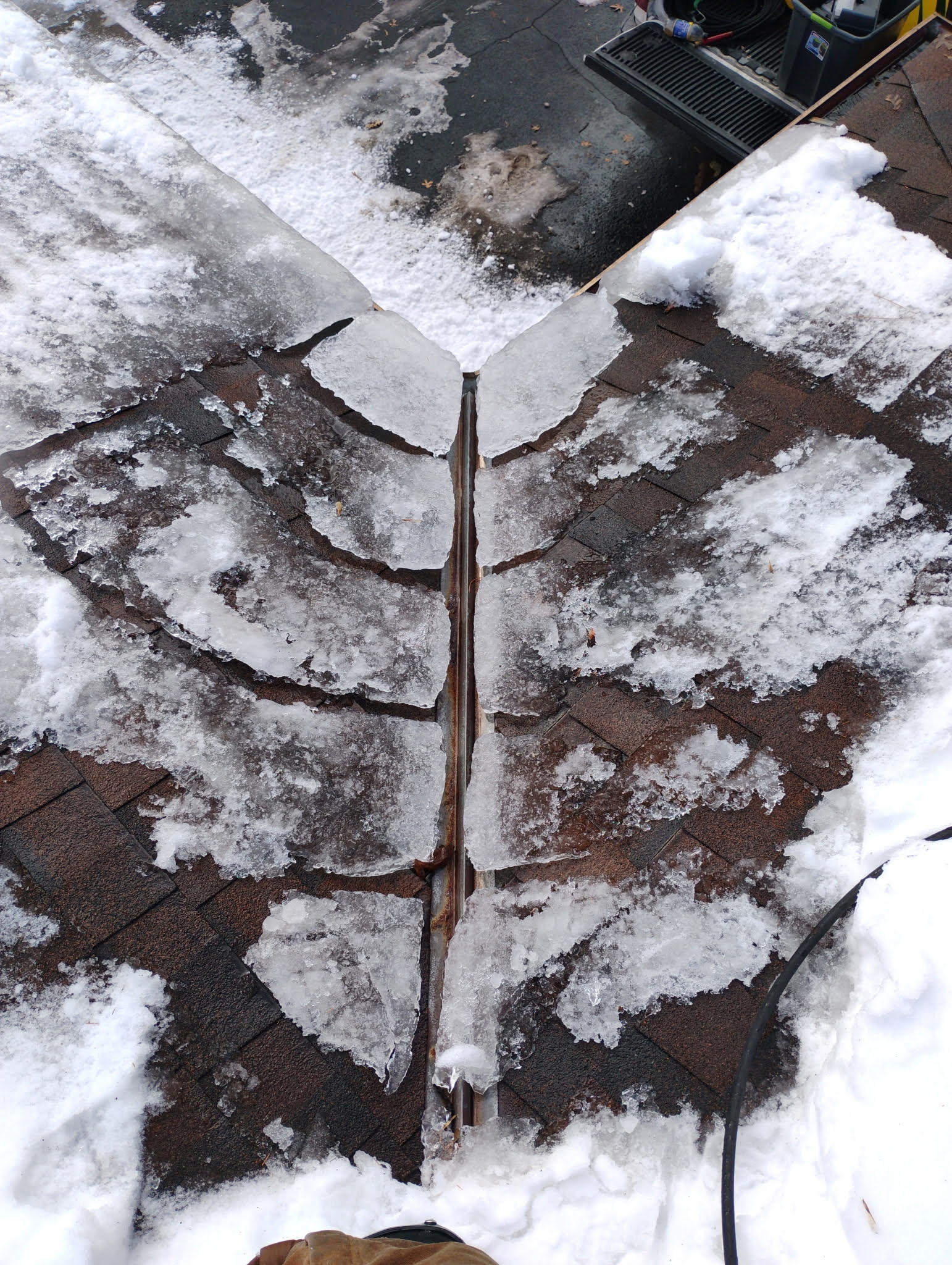
A roof ice dam is an obstruction formed by refrozen meltwater. It can prevent additional water from draining normally.
Snow accumulates.
Snow collects across roof surfaces, valleys and sheltered sections.
Some snow begins melting.
Heat transfer, sunlight or changing temperatures produce water beneath the snow.
Meltwater refreezes.
The water reaches colder roofing near the eaves and begins forming ice.
Drainage becomes restricted.
The growing ridge may trap more water and contribute to leaks around vulnerable roofing.
Simplified educational roof illustration. Not to scale.
Cold outdoor air doesn't mean every roof surface is cold.
Heat escaping through a building can warm roofing beneath accumulated snow.
When snow melts, water travels downhill. At a colder roof edge, the water may freeze again.
This can happen even when outdoor temperatures remain below freezing.
Learn more about the underlying causes in our ice dam prevention guide .
Arctic Steamers. Professional equipment for a demanding job.
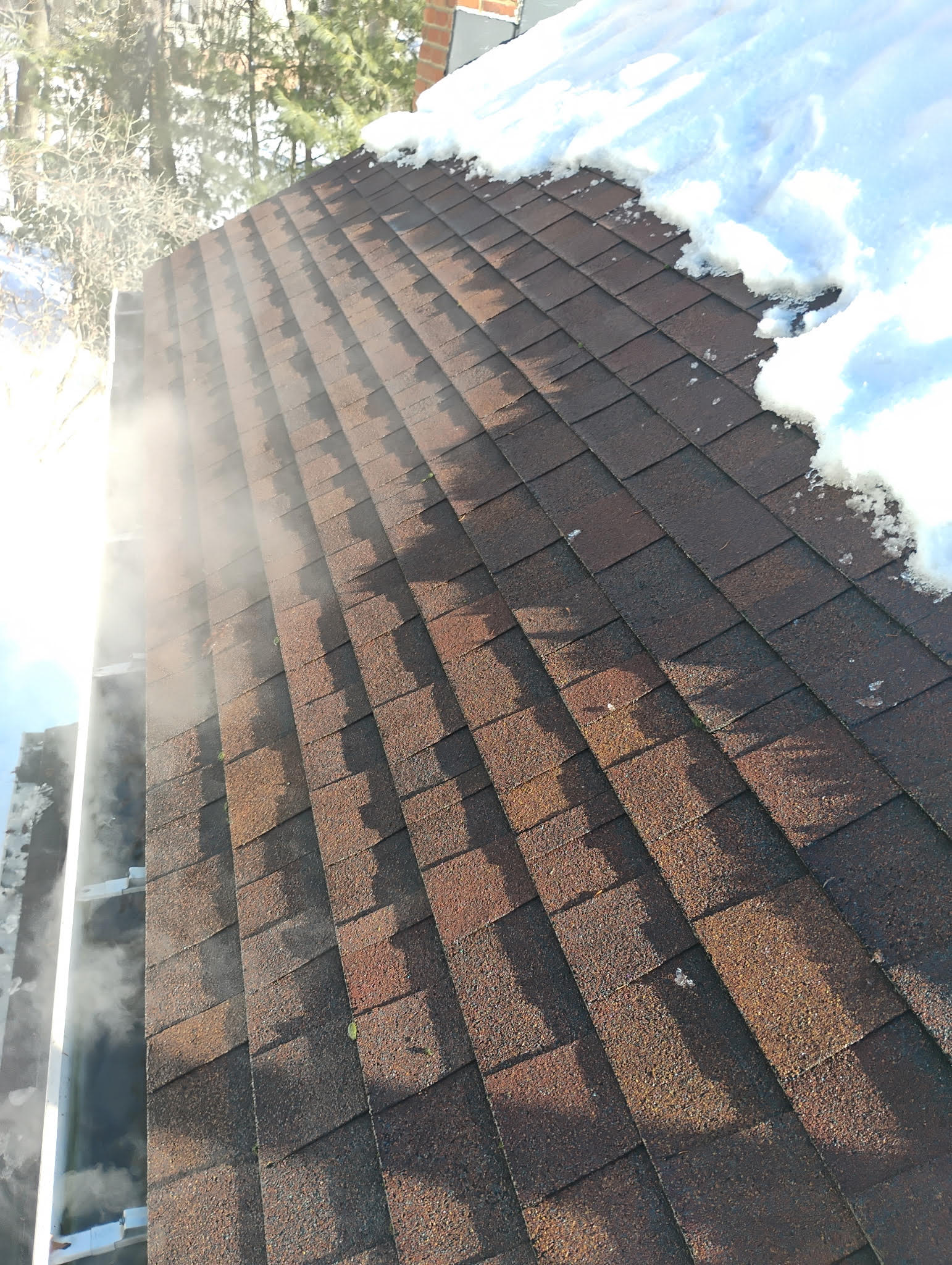
Ice Dam USA uses professional Arctic Steamers to remove accumulated roof ice with low-pressure steam.
These machines produce high-temperature steam and deliver it through hoses to the affected ice buildup.
The steam transfers heat into the ice, allowing technicians to melt obstructions rather than relying on aggressive force.
This matters around asphalt shingles, flashing, roof valleys, gutters and other roof components that can be damaged by chopping or high-pressure water.
Our technicians consider roof access, material condition, ice thickness and safety when determining how the agreed work should proceed.
Steam reduces certain risks associated with forceful removal, but no roof ice removal method is completely risk-free.
For more details about our process and preparing your property, visit our frequently asked questions .
Steam and hot-water pressure washing are not the same.
Low-pressure steam
Arctic Steamers use heat to melt established ice. The process reduces reliance on force against roofing materials.
- Designed for controlled ice melting
- Reduced need for chopping and prying
- Heat delivered to affected ice
- Requires professional roof safety practices
High-pressure water
A hot-water pressure washer relies on a forceful stream of water to dislodge or cut through accumulated ice.
- Can strike vulnerable roofing with force
- May damage shingles or flashing
- Not Ice Dam USA's chosen removal method
- Not appropriate as a homeowner shortcut
Does an Arctic Steamer guarantee no roof damage?
No ice removal method eliminates every risk. Professional low-pressure steam reduces reliance on aggressive impact, but roof materials, existing damage and working conditions must still be considered.
What your roof may be telling you.
You don't need to climb onto a roof to notice possible signs of ice damming.
- Thick ice along the eaves
- Ice collecting in roof valleys
- Heavy icicles near entrances
- New ceiling or wall stains
- Recurring winter roof leaks
- Unusual patterns of snowmelt
Never climb onto an icy roof.
Snow-covered roofing, frozen ladders and falling ice create serious hazards. Avoid axes, hammers, open flames and pressure washers. If ice requires removal, contact a qualified professional.
Not every icicle indicates an ice dam, and not every winter roof leak is caused by ice. A qualified assessment may be needed.
Water entering your ceiling? Start with safety.
If water appears indoors during winter, a roof ice dam may be interfering with drainage.
Stay clear of wet electrical fixtures, unstable ceilings and falling ice. Move belongings only when safe.
Ice removal may help improve drainage, but it cannot guarantee that water already within roofing materials will stop moving immediately.
Existing roof defects or interior water damage may require separate professional repairs or restoration.
Read our emergency ice dam removal information for more about urgent winter roof problems.
Three details that help us understand the job.
01 / The property. Your Hazen address, building height and basic roof configuration.
02 / The ice. Affected roof sections, approximate buildup, roof valleys and difficult access areas.
03 / The symptoms. Whether water is actively leaking and where interior moisture is visible.
Photos from a safe ground location can be helpful. Do not climb a roof just to take photographs.
A roof ice dam and a frozen gutter aren't identical problems.
Roof ice dams
An ice ridge forms along colder roofing, obstructing meltwater drainage. Additional water may become trapped behind the buildup.
Roof ice dams can develop even when a building has no gutters.
Frozen gutters
Water freezes inside gutters or downspouts. Heavy accumulation can restrict drainage and add weight to gutter fasteners.
Overflow may also affect fascia, soffits and surrounding building materials.
Ice Dam USA also provides steam-based removal for appropriate frozen gutter conditions. Read more on our gutter ice removal page .
Professional ice dam removal for homes and commercial properties.
Residential properties
Ice dams may develop along roof eaves, dormers, attached garages and valleys.
Newer buildings and older homes can both experience ice dams if snowmelt reaches colder roof edges.
Commercial properties
Larger roofs may feature parapets, multiple drainage areas, higher elevations and more complicated access requirements.
Each project requires reviewing the roof layout, ice conditions, equipment needs and worksite safety.
Every roof comes with its own challenges.
Ice dam removal costs depend on the actual scope and complexity of the project.
- Roof height and pitch
- Thickness and extent of ice
- Roof valleys and transitions
- Safe equipment and technician access
- Project duration and travel
- Standard or expedited scheduling
- Weather and worksite conditions
We publish our current rates, service minimums and booking policies on one central pricing page.
Removing existing ice and preventing future ice are different jobs.
Professional steam removal addresses existing obstructions, but similar melting and refreezing conditions can create new ice dams.
Repeated ice buildup may justify closer investigation of attic air leakage, insulation, ventilation and roof construction.
Qualified building professionals can assess the underlying causes and recommend appropriate changes.
Long-term considerations
- Attic air sealing
- Insulation continuity
- Ventilation configuration
- Roof valleys and flashing
- Recurring snowmelt patterns
Learn more about heat moving through attic spaces in our attic insulation resource .
From the first call to the agreed removal.
Describe your property.
Share the Hazen address, roof height, affected ice and any active leaks.
Review the requirements.
Discuss crew availability, water and electrical access, pricing, travel and scheduling.
Coordinate the work.
If scheduled, technicians review site conditions and perform the agreed removal when safe.
Winter weather can affect scheduling.
Temperatures around or below 10°F, strong winds, hazardous roof access and winter travel conditions may require postponement. Scheduling changes and booking credits are handled according to company policy.
Understand the equipment. Recognize the risks. Know your options.
Explore our existing educational resources covering ice dam formation, professional steam removal, winter leaks and long-term prevention.
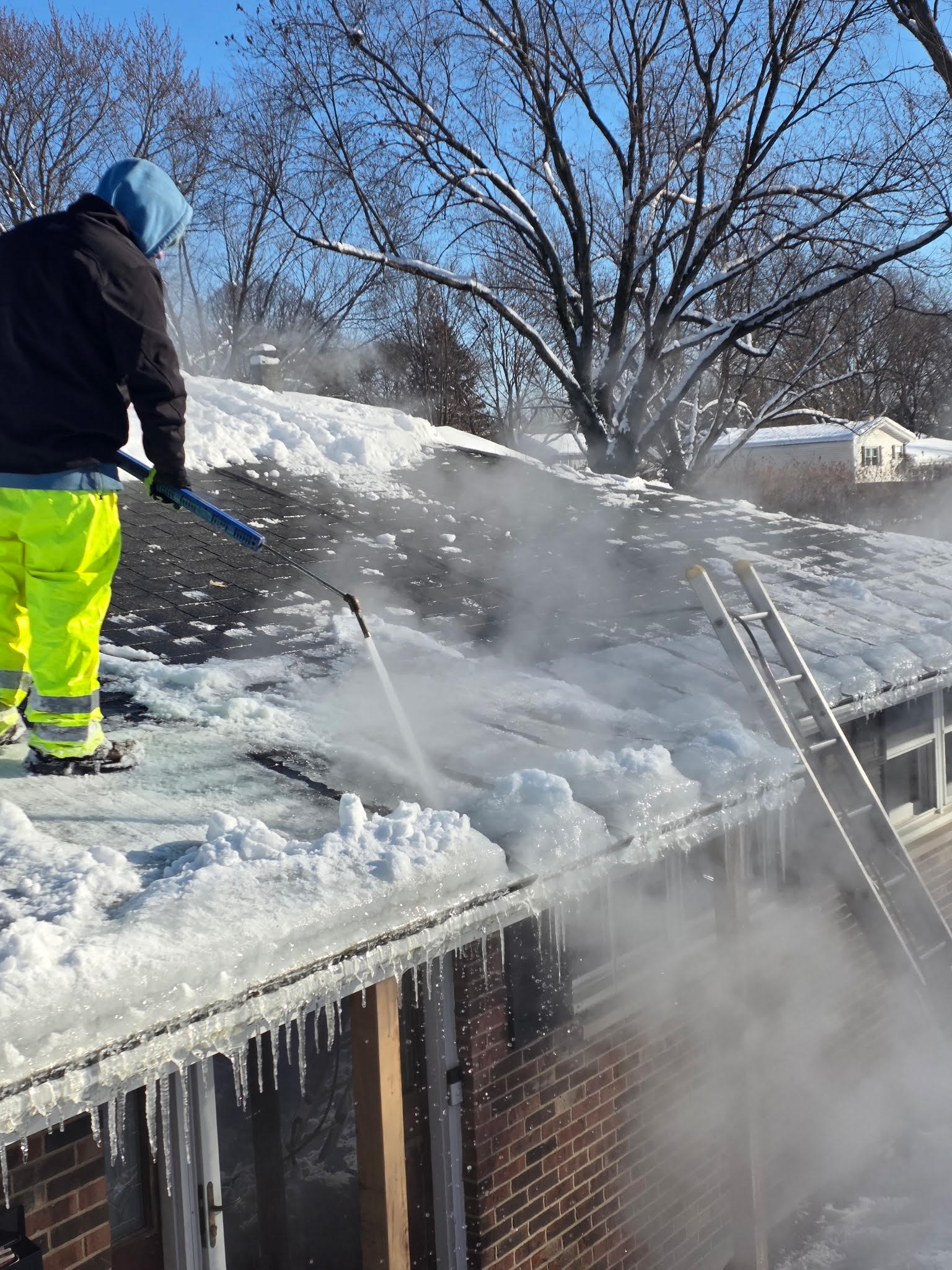
Work you can see. Equipment you can understand.
Our gallery documents actual roof ice, frozen gutters, difficult winter conditions and professional removal.
These photographs help customers understand why specialized equipment matters.
Individual gallery photographs come from different service locations and are not identified as completed work in Hazen.
Specialized traveling crews. Service coordinated for your property.
Ice Dam USA operates traveling specialist crews rather than claiming a permanent office in every community.
We welcome inquiries from Hazen homeowners and commercial property owners, subject to crew availability, weather, travel and safe access.
For other North Dakota locations, explore their dedicated service pages or the statewide directory.
Geographic reference map only. No permanent Hazen office implied.
Hazen ice dam removal FAQs.
Does Ice Dam USA offer ice dam removal in Hazen, ND?
Ice Dam USA welcomes residential and commercial inquiries from Hazen. Scheduling depends on availability, weather, travel and roof access.
What equipment does Ice Dam USA use?
Ice Dam USA uses professional Arctic Steamers designed for low-pressure steam ice dam removal. We do not use high-pressure water blasting as our removal method.
Are Arctic Steamers different from hot-water pressure washers?
Yes. The Arctic Steamer equipment used by Ice Dam USA produces steam that relies primarily on heat to melt ice. Hot-water pressure washers depend on forceful water pressure.
Why does ice dam removal equipment matter?
Ice can bond tightly to shingles, flashing and gutters. Professional steam removal reduces reliance on forceful chopping or high-pressure water that could damage roofing.
Is Arctic Steamer removal completely risk-free?
No. Although low-pressure steam reduces certain risks, existing roof condition, ice buildup and safe access all matter.
Do your steamers require water and electricity?
Ice Dam USA's published FAQ identifies a suitable water supply and standard 110V electrical outlet as requirements to discuss before service.
Why do ice dams form on Hazen roofs?
Ice dams form when snow melts on warmer roof surfaces and refreezes near colder edges. The ice ridge may obstruct drainage.
Can an ice dam form when temperatures are below freezing?
Yes. Heat moving through the roof can melt snow while the outside air remains below freezing. Water can then refreeze near colder eaves.
Are frozen gutters the same as a roof ice dam?
Not necessarily. Gutter ice forms within gutters and downspouts. A roof ice dam forms on roofing and blocks meltwater drainage. The two conditions may coexist.
Can ice dams develop on commercial buildings?
Yes. Both residential and commercial buildings can develop ice. The roof layout, drainage, access and safety requirements influence the project.
How much does ice dam removal cost in Hazen?
Pricing depends on roof conditions, ice thickness, access, travel, duration and scheduling. Review our current pricing information .
Can I request urgent ice dam removal?
Yes. Ice Dam USA accepts urgent service inquiries. Scheduling and arrival depend on crews, weather, travel and site requirements.
Will ice removal immediately stop a roof leak?
Not necessarily. Removing an ice obstruction may improve drainage, but water already inside roofing materials may continue moving. Separate repairs may be necessary.
Can an ice dam return after removal?
Yes. New snowfall and recurring melting and refreezing can create new ice. Long-term prevention may involve evaluating attic and roof conditions.
