New Jersey Ice Dam Removal Professional Low-Pressure Steam
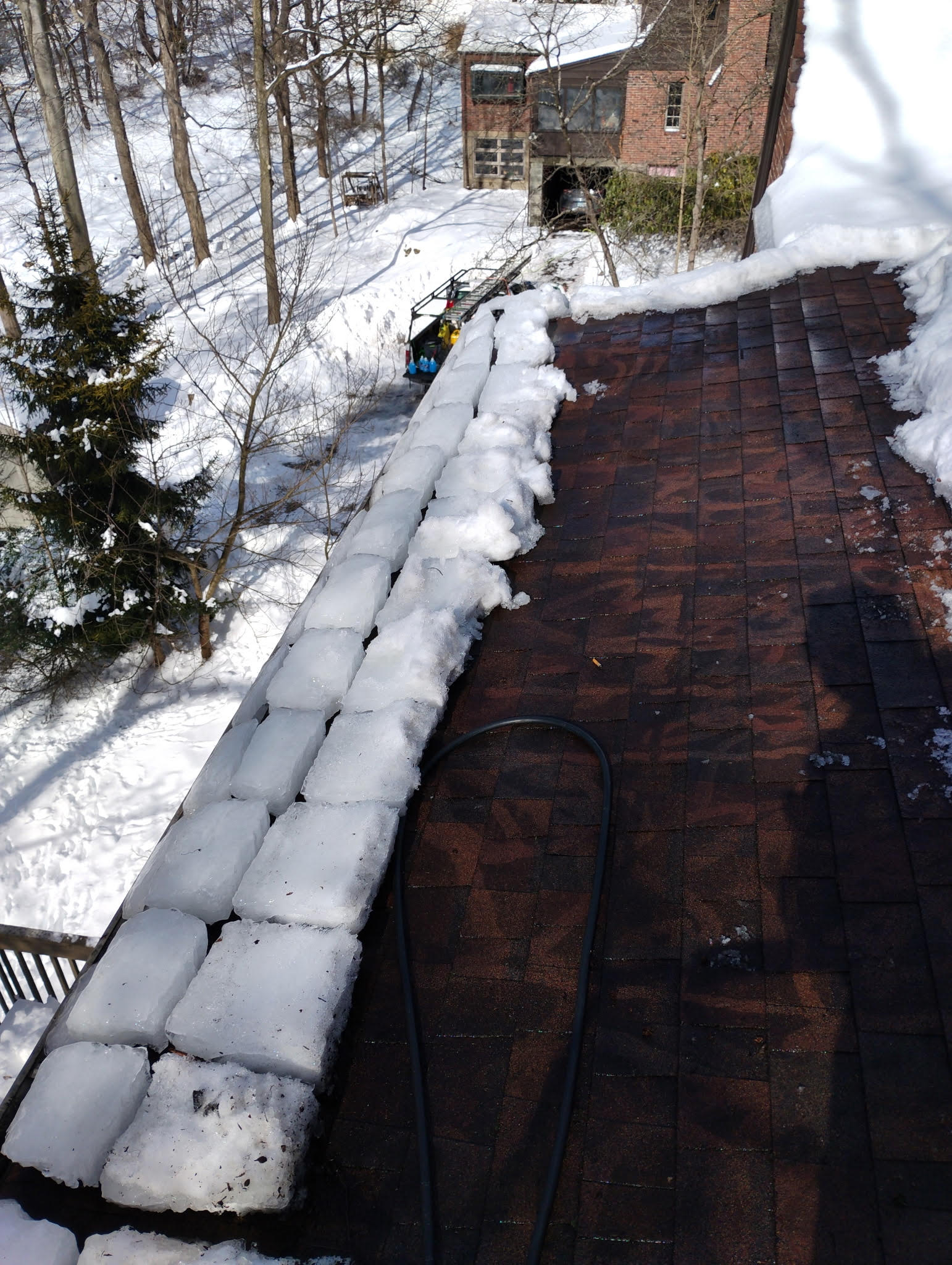
New Jersey snowstorms can create serious roof ice problems when melting snow refreezes near colder roof edges. An ice ridge may obstruct drainage and allow additional meltwater to collect behind it.
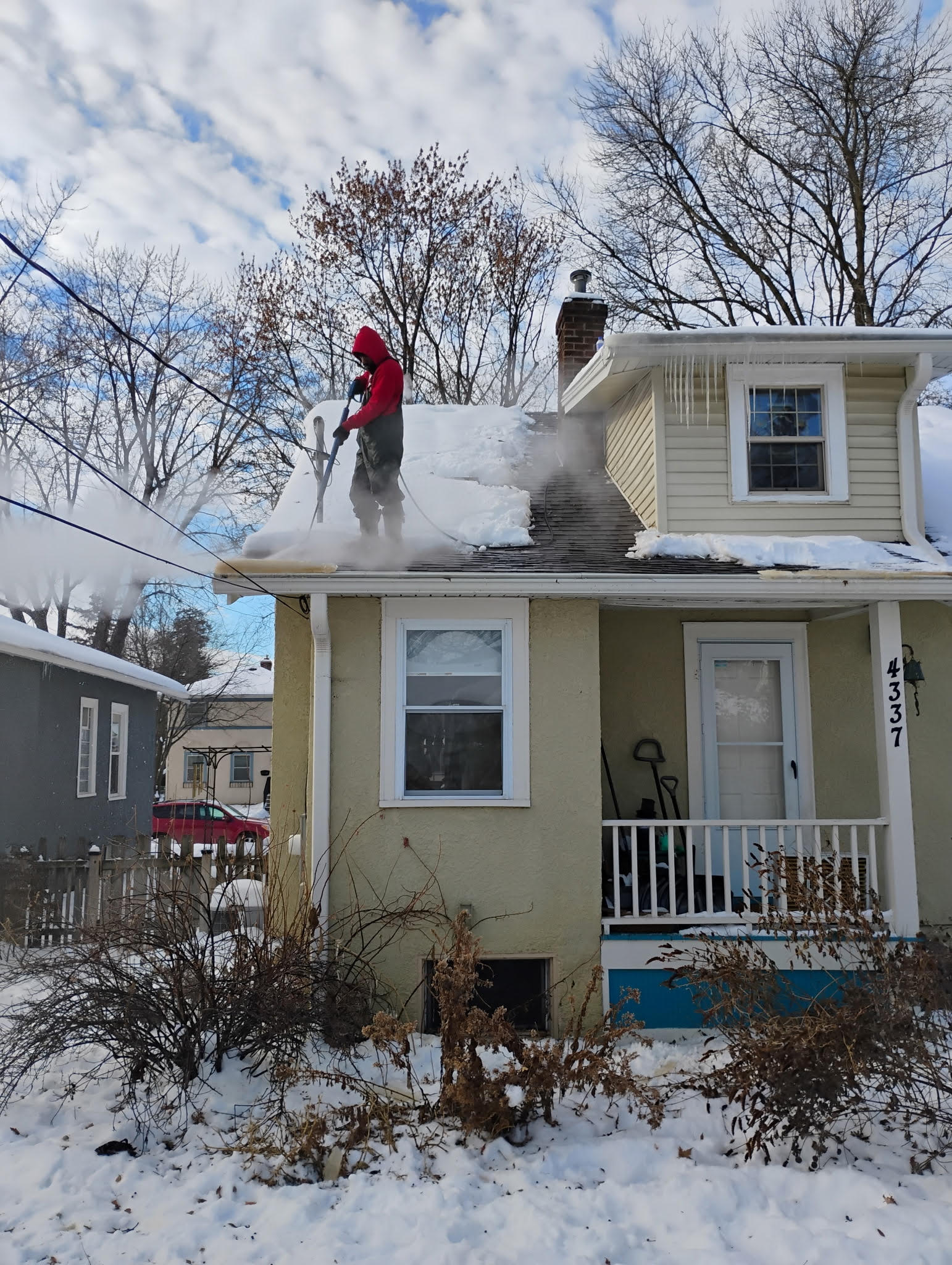
Ice Dam USA provides professional New Jersey ice dam removal using Arctic Steamers and true low-pressure steam. Our equipment uses heat to melt ice rather than aggressive chopping or high-pressure water blasting.
We welcome inquiries from Sussex, Morris, Bergen, Passaic, Essex, Hudson and other New Jersey counties, including Newark, Jersey City, Paterson, Morristown, Edison and Trenton.
Scheduling depends on regional technician availability, winter weather and safe access.
Roof Ice Problems From the Highlands to the Jersey Shore
New Jersey's winter weather can vary considerably between the northwestern Highlands, the densely developed northeast and the Atlantic coast.
Sussex County and higher elevations in northwestern New Jersey may see longer-lasting snow cover and colder roof surfaces than many coastal communities.
Around Newark, Jersey City, Paterson and Bergen County, snow followed by a warming period can produce meltwater that refreezes along colder roof edges.
Central New Jersey, including Edison, Bridgewater and Princeton, can experience winter storms followed by rapid temperature changes.
Coastal and southern communities generally experience different snow patterns, but a single storm can still create roof ice if meltwater reaches a frozen eave.
Why New Jersey Roofs Form Ice Dams
Snow accumulation: Snow remains on roof slopes, particularly in shaded areas.
Uneven roof temperatures: Indoor heat, sun exposure and attic conditions influence melting.
Cold eaves: Roof overhangs may remain below freezing even when upper roof surfaces warm.
Complex rooflines: Dormers, valleys and additions concentrate runoff.
Freeze-thaw cycles: Repeated melting and refreezing can enlarge an ice ridge.
How a Roof Ice Dam Forms
Ice dams form when meltwater is prevented from draining normally off a roof.
Snow Collects
Winter precipitation leaves snow across roof slopes, roof valleys and sheltered areas.
Snow Begins Melting
Heat loss, sunshine or warming air creates meltwater beneath the snow.
Water Refreezes
Runoff reaches a colder eave and forms an ice ridge that restricts drainage.
New Jersey Ice Dam Removal Service Regions
Different geography, snowfall and building styles influence roof ice conditions across the Garden State.
Sussex County & Northwest NJ
Newton, Sparta, Vernon and surrounding communities include higher-elevation areas where snow can persist on shaded roofs.
Ice can accumulate around valleys, dormers and colder roof overhangs during prolonged winter conditions.
Morris County & Morristown
Morristown, Randolph, Parsippany and nearby towns have a range of residential roof designs.
Snowmelt flowing toward colder eaves can refreeze, particularly where roof temperatures vary.
Bergen & Passaic Counties
Paramus, Hackensack, Clifton and Paterson properties can encounter ice buildup following winter snowstorms.
Complex rooflines, older insulation and attached additions may influence drainage.
Newark & Jersey City
Newark, Jersey City, Elizabeth and nearby urban communities have varied building heights, roofing materials and access conditions.
Snowmelt and refreezing can create roof-edge obstructions on pitched roofing.
Edison & Central NJ
Edison, Woodbridge, Bridgewater, New Brunswick and Princeton can experience snowfall followed by intermittent winter warmups.
A shaded overhang may stay frozen after other roof sections begin melting.
Trenton, Mercer & Burlington
Trenton, Hamilton, Ewing and surrounding communities may develop roof ice after snow-to-freeze events.
Roof valleys and attached porches can concentrate runoff during melting periods.
Monmouth & Ocean Counties
Freehold, Middletown, Toms River and Brick may receive mixed winter precipitation and occasional snowstorms.
When snow remains on roofing during freezing conditions, ice dams can still develop.
Camden & South Jersey
Cherry Hill, Voorhees and surrounding suburbs can encounter roof ice during winter cold snaps after snowfall.
Older houses, additions and shaded eaves may have localized freezing conditions.
Atlantic & Cape May Regions
Coastal southern New Jersey generally experiences milder conditions than the northern Highlands.
Occasional winter snow and refreezing can nevertheless create ice on vulnerable pitched roofs.
Signs Your New Jersey Roof May Have an Ice Dam
Thick Ice Near Eaves
An ice ridge along the lower roof can obstruct meltwater.
Ceiling or Wall Stains
Moisture appearing during snowmelt may indicate winter water intrusion.
Frozen Roof Valleys
Areas where slopes meet can concentrate ice and runoff.
Large Icicles
Hanging ice can be hazardous, but does not always indicate an ice dam.
Uneven Snowmelt
Some roof sections may warm while shaded eaves remain frozen.
Recurring Winter Leaks
Water appearing during freezing weather deserves a professional roofing evaluation.
Professional New Jersey Ice Dam Removal With Steam
Ice Dam USA uses professional Arctic Steamers and low-pressure steam to melt accumulated roof ice.
Steam uses heat rather than aggressive water pressure or forceful mechanical impacts to remove an obstruction.
Roof ice may conceal shingles, flashing, valleys and other vulnerable building components.
Before work begins, technicians evaluate roof condition, ice thickness, roof pitch and safe access.
Steam can help restore drainage, but existing roof damage or trapped water may require additional attention.
Explore Our Steam Ice Dam Removal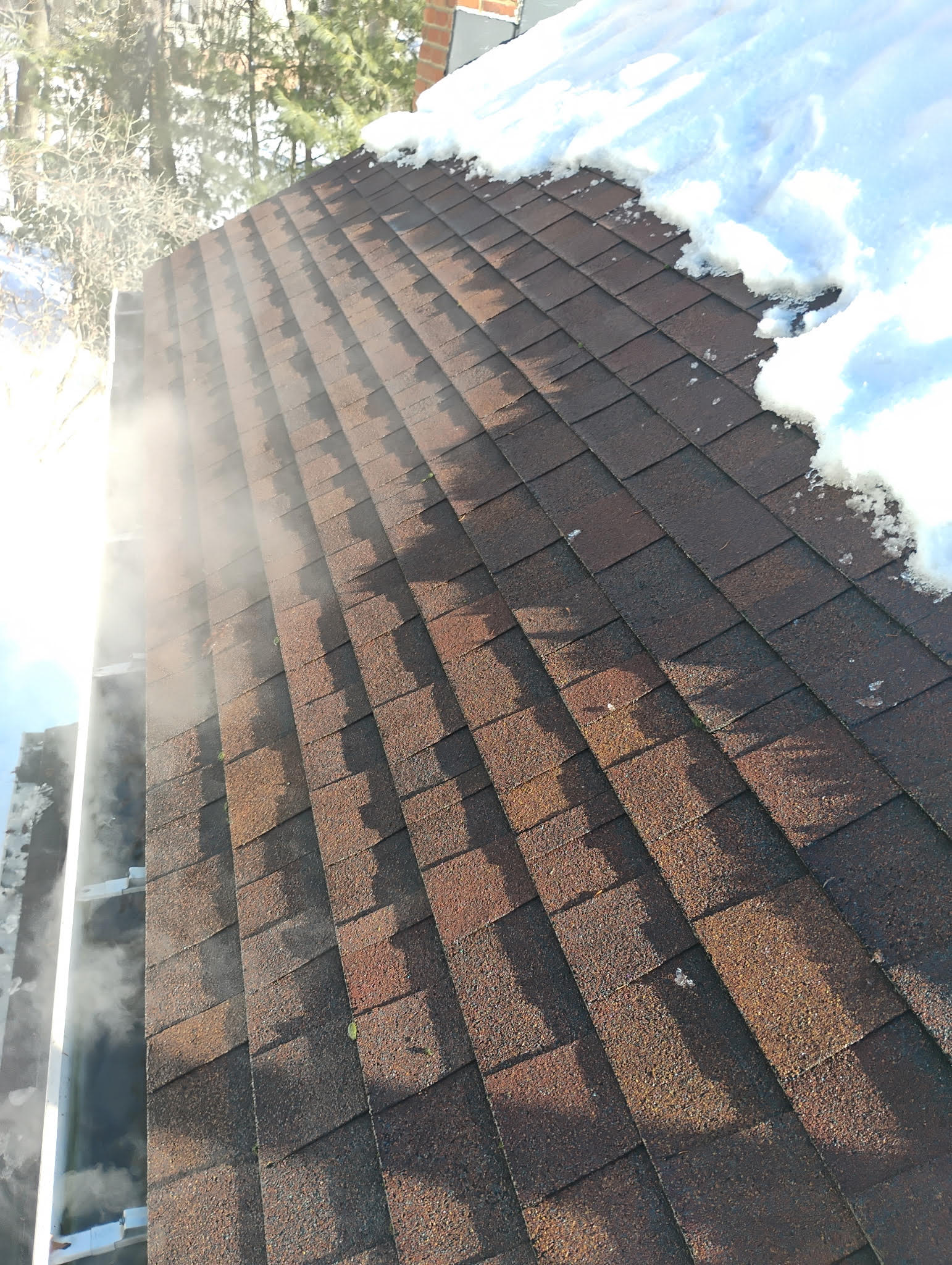
Low-Pressure Steam vs. High-Pressure Water Removal
A hot-water pressure washer is not the same as a dedicated low-pressure steam system.
Arctic Steamers
Steam transfers heat into ice, reducing reliance on impact or aggressive water pressure.
- Low-pressure steam application
- Heat-based melting
- Reduced need for chopping
- Professional roof evaluation
- Careful worksite planning
Hot-Water Pressure Washers
Heated pressure washers deliver liquid water under pressure and can damage roofing if improperly used.
- Pressurized liquid-water jet
- Possible damage to shingles
- Risks at flashing and seams
- Water can enter vulnerable gaps
- Not Ice Dam USA's chosen equipment
Water Entering Your Home During a New Jersey Thaw?
Ice dams can trap meltwater along a roof and contribute to water entering vulnerable roofing.
A ceiling stain may appear some distance from the original entry point because water can travel through framing and insulation.
Professional removal may reopen drainage and reduce water accumulating behind a frozen obstruction.
However, existing water in the building can continue moving, and roofing defects may need separate repairs.
Call About an Active Roof LeakSteps to Take While Seeking Help
01 — Protect people. Stay away from wet electrical fixtures, sagging ceilings and falling ice.
02 — Move belongings. Protect items from water when safe.
03 — Document damage. Take photographs from safe locations.
04 — Stay off the roof. Avoid ice chopping, hazardous ladders and improvised tools.
05 — Arrange repairs. Roofing or restoration professionals may be needed afterward.
Dormers, Valleys and Older New Jersey Homes
New Jersey has a wide variety of housing styles, from historic neighborhood homes and Cape Cod designs to large newer suburban houses.
Dormers, porches and additions may create roof sections with different heat and snowmelt patterns.
Roof valleys also concentrate runoff from multiple slopes, making drainage especially important during freezing conditions.
A house's age alone does not establish ice dam risk. Insulation, air leakage, ventilation, roof geometry and weather all matter.
New Jersey Ice Dam Removal Service Inquiries
Ice Dam USA welcomes service inquiries throughout New Jersey. Contact our team to confirm coverage and scheduling for your address.
Roof Ice Removal for New Jersey Properties
Single-Family Homes
Ice may obstruct eaves, valleys and roof edges during winter.
Older & Historic Homes
Dormers, porches and different attic conditions may influence ice buildup.
Townhomes & Duplexes
Shared roofs and attached structures can require additional coordination.
Multi-Story Buildings
Roof height and access limitations affect safe removal planning.
Rental & Vacation Properties
Owners and managers may need to arrange access during winter events.
Commercial Buildings
Roof configuration, pedestrian safety and building access influence service work.
Roof Ice Dams vs. Frozen Gutters
Roof Ice Dam Removal
A ridge of refrozen water forms directly on roofing and obstructs snowmelt drainage, frequently near colder eaves.
This New Jersey page focuses on roof ice dams.
Frozen Gutter Removal
Ice blocks gutters, downspouts or outlets, causing possible overflow, icicles or additional weight on attachments.
Learn About Gutter Ice RemovalHow Much Does New Jersey Ice Dam Removal Cost?
Pricing depends on the roof's height, pitch, accessibility, ice accumulation and service classification.
Ice Dam USA's current pricing guide lists standard service for qualifying roofs and a separate rate for expedited, complex or certain long-distance assignments.
Appointments have a three-hour minimum. The applicable rate should be confirmed for your property before scheduling.
We recommend the current pricing page rather than outdated estimates appearing on older local pages.
View Current Rates & MinimumsHelpful Details When Calling
Address: New Jersey property and ZIP code.
Building: Home, rental or commercial.
Roof: Height, pitch and access.
Ice: Eaves, valleys and other affected areas.
Leaks: Whether water is actively entering.
Photos: Ground-level images when safe.
How New Jersey Homeowners Can Reduce Future Ice Dams
Steam removal addresses existing ice. Longer-term improvements target conditions that cause repeated melting and refreezing.
Attic Air Sealing
Reduce warm indoor air reaching roof assemblies.
Insulation Evaluation
Correct gaps and uneven coverage when appropriate.
Ventilation Review
Evaluate ventilation as part of the complete building design.
Roof Valley Inspection
Review locations where snow and runoff concentrate.
Professional Snow Management
Qualified technicians can evaluate whether snow removal is appropriate.
Repair Roof Defects
Damaged roofing or flashing may require separate repairs.
How to Request New Jersey Ice Dam Removal
Contact Our Team
Share the address, visible ice locations and any water entering the building.
Review the Worksite
Discuss roof conditions, access, pricing and crew availability.
Coordinate Steam Removal
When service is available, technicians evaluate the site and complete agreed removal where safe.
New Jersey Ice Dam Removal Resources & Services
New Jersey Ice Dam Removal FAQs
What causes ice dams in New Jersey?
Snow melts on a warmer portion of the roof and refreezes near colder roof edges, creating a barrier that can trap runoff.
Does northwestern New Jersey get ice dams?
Yes. Snow cover and colder conditions in the Highlands can contribute to ice formation, depending on the roof.
Can Newark and Jersey City homes develop ice dams?
Yes. Snow followed by thawing and freezing conditions can produce roof ice in urban areas.
Can ice dams form in Edison or central New Jersey?
Yes. Meltwater can refreeze near colder roof edges after winter snowfall.
Do coastal homes get ice dams?
They can. Although winter conditions are different from inland northern areas, snow and freezing can still produce ice dams.
Can an ice dam form without gutters?
Yes. Roof ice dams develop directly on roofing, even when gutters are absent.
Are icicles always proof of an ice dam?
No. Icicles can form without a substantial frozen obstruction on the roof.
Can newer homes experience ice dams?
Yes. Roof geometry, snow accumulation, insulation and temperature differences can affect homes of any age.
Does Ice Dam USA use Arctic Steamers?
Yes. We use professional low-pressure steam equipment to melt accumulated roof ice.
Why use steam instead of pressure washing?
Steam relies mainly on heat, while pressure washers deliver liquid water under pressure. Improper pressure washing may damage roofing.
Is steam removal completely damage-free?
No removal method is risk-free. Existing roof condition, access and operator technique matter.
Will ice dam removal immediately stop an interior leak?
Not necessarily. Removing an ice obstruction may improve drainage, but existing moisture and roof defects may require further work.
How much does New Jersey ice dam removal cost?
Pricing depends on roof height, access, work complexity and service priority. See our current pricing guide for rates and minimums.
Do you remove ice from commercial roofs?
We welcome commercial inquiries. Actual service depends on building configuration, access and crew availability.
Does homeowners insurance cover ice dam damage?
Coverage varies by policy, insurer and cause of loss. Contact your insurer about any potential coverage.
How can homeowners reduce recurring ice dams?
Attic air sealing, suitable insulation, ventilation evaluation and roofing repairs may reduce recurring ice buildup.
Heavy Roof Ice or Winter Leaks in New Jersey?
From snow-covered roofs in Sussex and Morris Counties to ice buildup around Newark, Edison, Trenton and the Jersey Shore, contact Ice Dam USA about professional low-pressure steam removal and current availability.
Call 855-468-4233 Request New Jersey Ice Dam Removal