West Virginia Ice Dam Removal
Professional low-pressure steam removal for dangerous roof ice and winter leaks.
Ice dams can turn a winter storm into a serious roofing problem. Across West Virginia, heavy mountain snowfall, cold roof edges, and changing temperatures can create thick ice that prevents melting snow from draining.
Ice Dam USA specializes in professional roof ice dam removal using true low-pressure Arctic Steamers. With more than 30 years of company experience, we help property owners address heavy ice buildup without relying on aggressive chopping or high-pressure water.
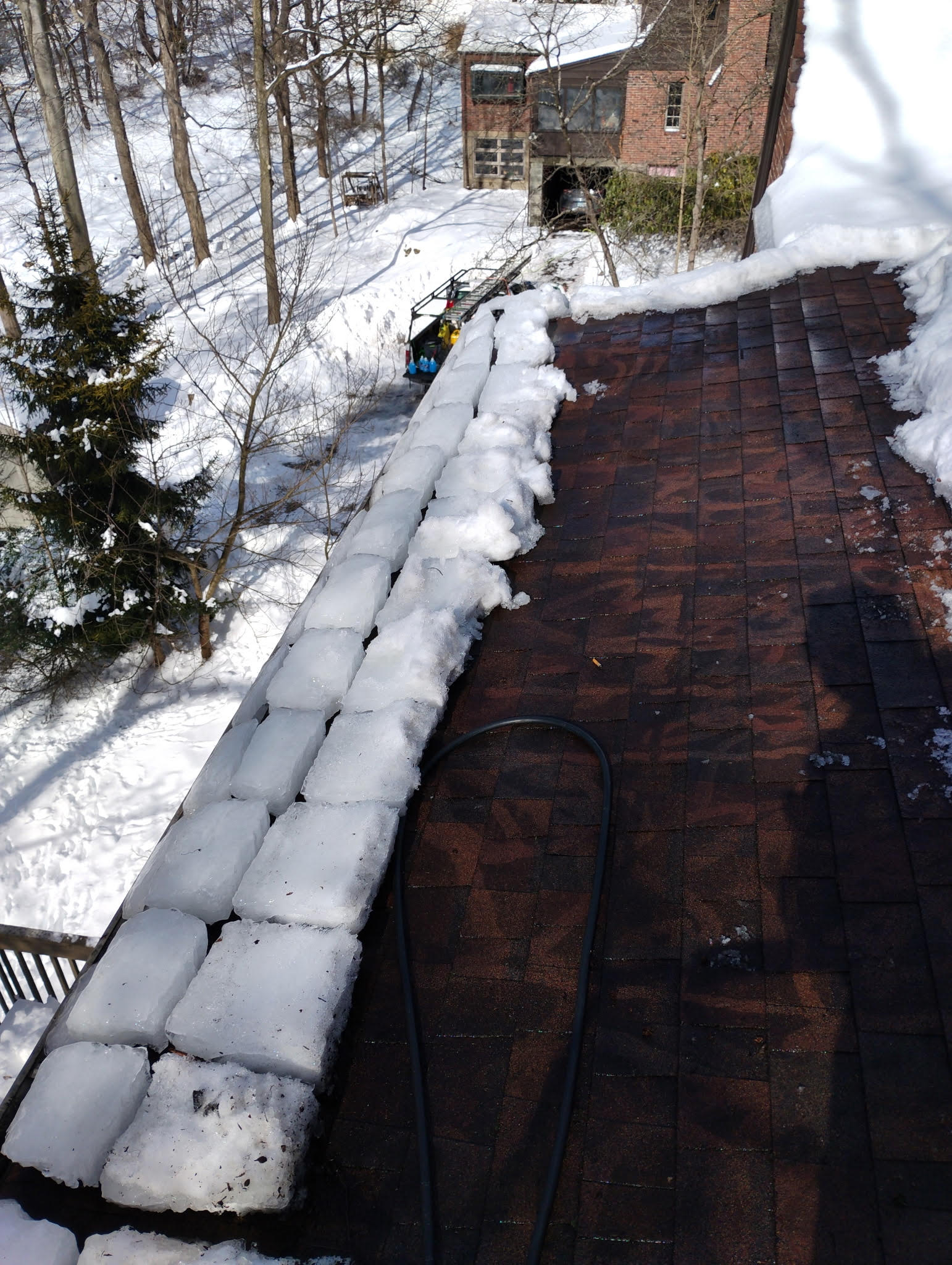
Real Ice Dam USA ice dam removal photography.
Why Ice Dams Form on West Virginia Roofs
West Virginia experiences very different winter conditions depending on elevation, terrain, and proximity to mountain ranges. The Allegheny Highlands can accumulate significant snow while lower-elevation communities may experience more frequent thawing and refreezing.
An ice dam forms when snow melts on a relatively warm section of a roof and flows toward colder eaves. When that water refreezes, it creates a ridge of ice that can prevent additional meltwater from escaping.
As ice accumulates, trapped water may work beneath roofing materials. Interior damage can include wet insulation, ceiling stains, damaged drywall, and moisture in attic spaces.
This problem is particularly relevant to homes with dormers, complicated rooflines, uneven insulation, and roof valleys where water collects during melting.
Our Ice Dam Learning Center explains the causes of ice dams and ways to reduce recurring buildup.
Signs You May Need Roof Ice Dam Removal
Ice dams are not always obvious from the ground. These warning signs help homeowners recognize when roof ice may be obstructing drainage.
Thick Ice Along the Eaves
A continuous ridge of ice at the lower roof edge can prevent additional snowmelt from draining normally.
Winter Ceiling Leaks
Water stains, damp drywall, or dripping ceilings during snowmelt may indicate water is trapped behind roof ice.
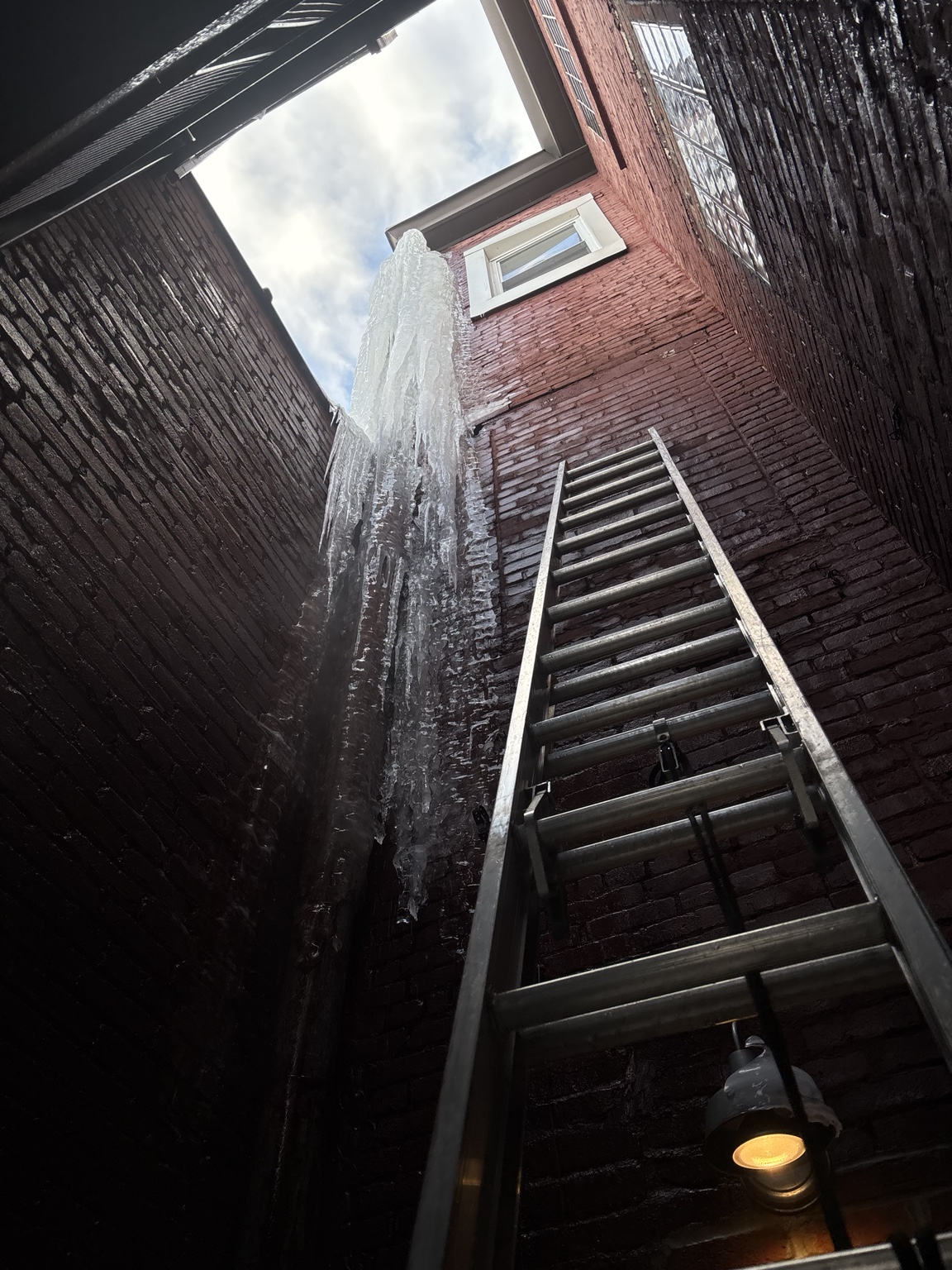
Large Icicle Formations
Substantial icicles can accompany heavy roof ice buildup and create falling-ice hazards below.
Ice Where Roof Slopes Meet
Roof valleys concentrate runoff. Ice accumulation can obstruct water flow around vulnerable roof transitions.
Repeated Winter Leaks
Ice dams returning to the same roof area may indicate uneven heat loss or other underlying building conditions.
Patchy Snow on the Roof
Snow disappearing from warmer roof sections while remaining near colder eaves can indicate temperature differences that contribute to ice formation.
Why True Steam Is Better for Ice Dam Removal
The method used to remove a roof ice dam is just as important as removing the ice itself.
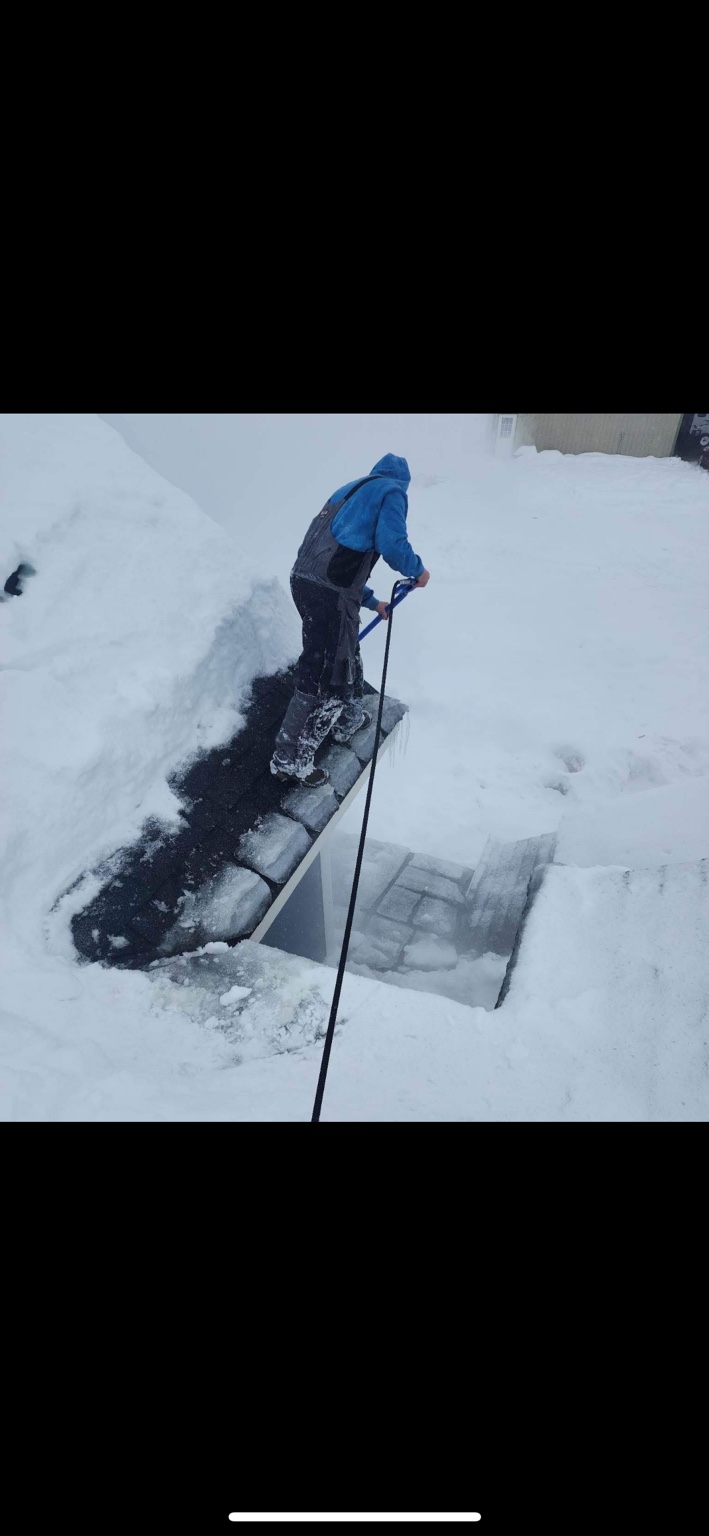
Ice Dam USA uses professional Arctic Steamers that deliver low-pressure steam to melt through accumulated ice. The process allows technicians to open drainage channels and separate ice into manageable sections.
High-pressure water and true low-pressure steam are not the same thing. A pressure washer depends on water force, which can damage roofing materials when used improperly.
Aggressive chopping, axes, chisels, and metal tools can also damage shingles, flashing, and roof components.
Low-pressure steam offers a more controlled method for removing ice dams from roofs. The roof's condition, ice thickness, and safe access still determine the appropriate approach.
See how our professional ice dam removal process works.
How to Get Rid of Ice Dams Without Damaging Your Roof
Homeowners frequently search for the best way to remove ice dams. The answer depends on the severity of the buildup and whether water is already entering the building.
Professional Steam Removal
For substantial roof ice buildup, professional low-pressure steam can melt and separate ice while reducing the need for aggressive scraping or impact tools.
Roof Snow Management
Removing accessible roof snow from a safe ground position may help reduce additional meltwater. A roof rake does not necessarily remove an established ice dam.
Long-Term Prevention
Improved attic air sealing, appropriate insulation, and proper ventilation can reduce the conditions that allow ice dams to form repeatedly.
Important: Avoid open flames, boiling water, aggressive chopping, and climbing onto an icy roof. These methods can cause injuries or property damage.
Why West Virginia Ice Dam Problems Vary by Region
A home in the Allegheny Highlands may experience a very different winter from a property along the Ohio River. Roof ice risk depends on local weather and building conditions.
Allegheny Highlands
Communities around Davis, Thomas, Canaan Valley, and Elkins are influenced by high elevation and mountain winter conditions.
Longer snow-cover periods can increase opportunities for repeated melting and refreezing.
Morgantown & North-Central WV
Morgantown, Fairmont, Clarksburg, and Bridgeport may experience winter storms followed by considerable temperature changes.
Homes with attic heat loss and shaded roof edges can develop localized ice dam problems.
Eastern Panhandle
Martinsburg, Charles Town, Shepherdstown, and Harpers Ferry experience variable winter conditions.
Older homes, dormers, additions, and complex rooflines may create uneven roof temperatures.
Charleston & Kanawha Valley
Lower-elevation communities can experience freezing rain, snowfall, and daytime thaw cycles.
Even a relatively short period of roof snow can produce ice dams under the right conditions.
Snowshoe & Southern Mountains
Mountain vacation homes and lodging properties may face extended snow accumulation during active winter weather.
Steep roof pitches, valleys, and limited winter access can complicate ice removal.
Wheeling & Northern Panhandle
Homes near Wheeling, Weirton, and surrounding communities may experience a combination of snow, cold weather, and thawing.
Roof insulation, attic air leakage, and drainage patterns influence how ice dams develop.
Real Ice Dam Removal Work — From Heavy Buildup to Cleared Roofs
Our photographs show real equipment, real roof ice conditions, and actual removal work performed by Ice Dam USA.
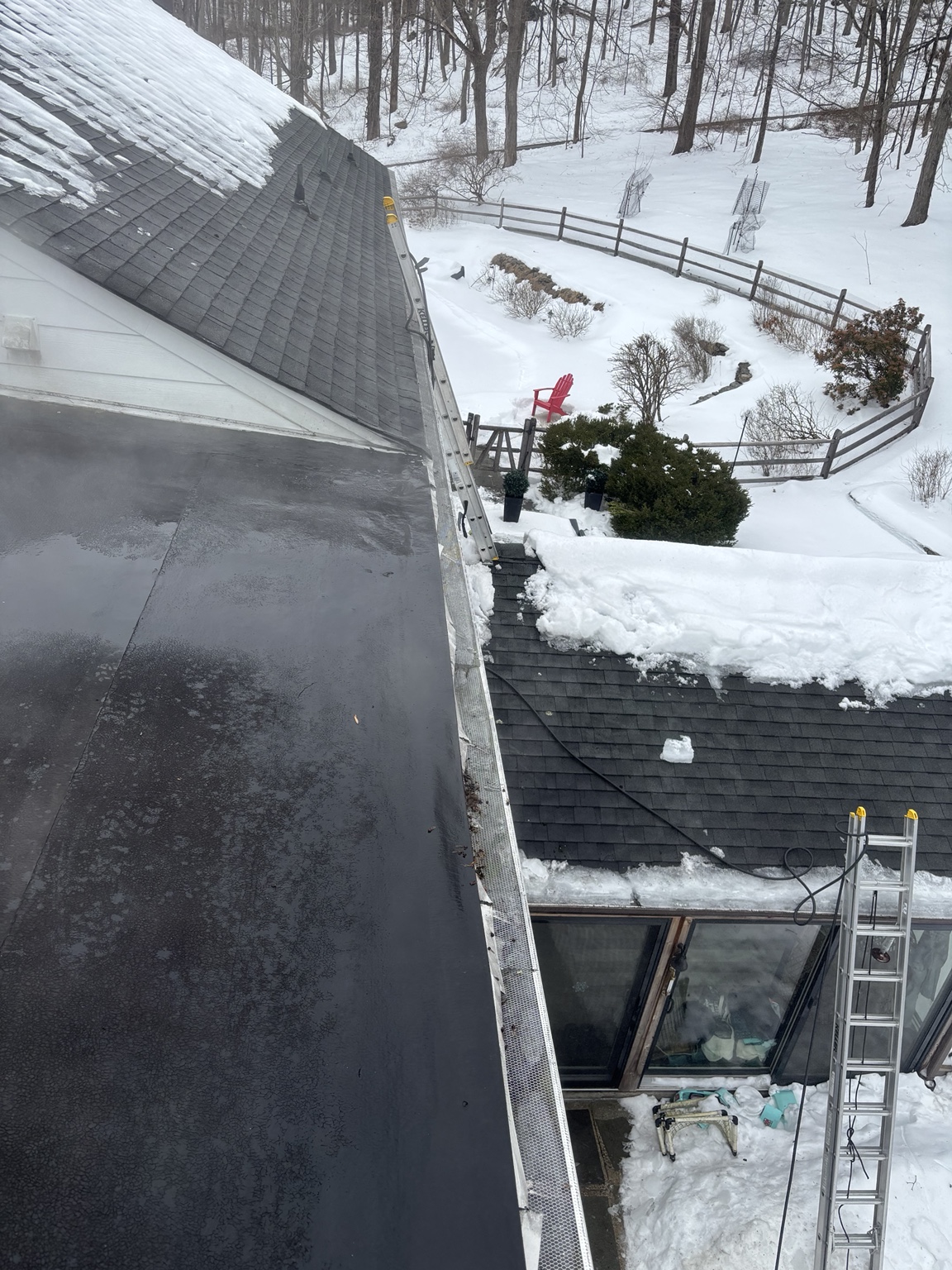
Removal Progress: Cleared roof sections reveal the roofing materials after ice removal.
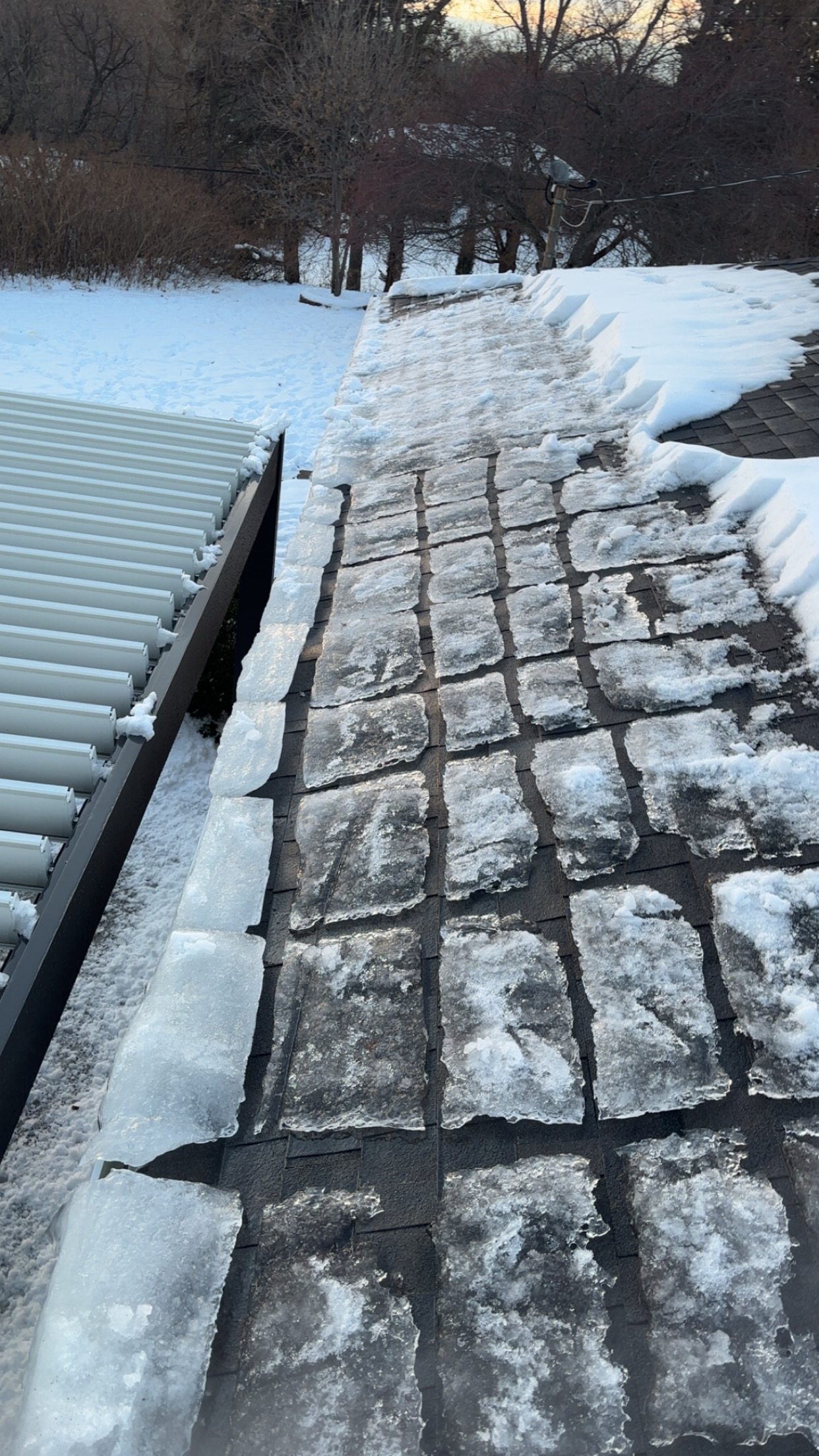
Section-by-Section Removal: Heavy ice separated into manageable sections.
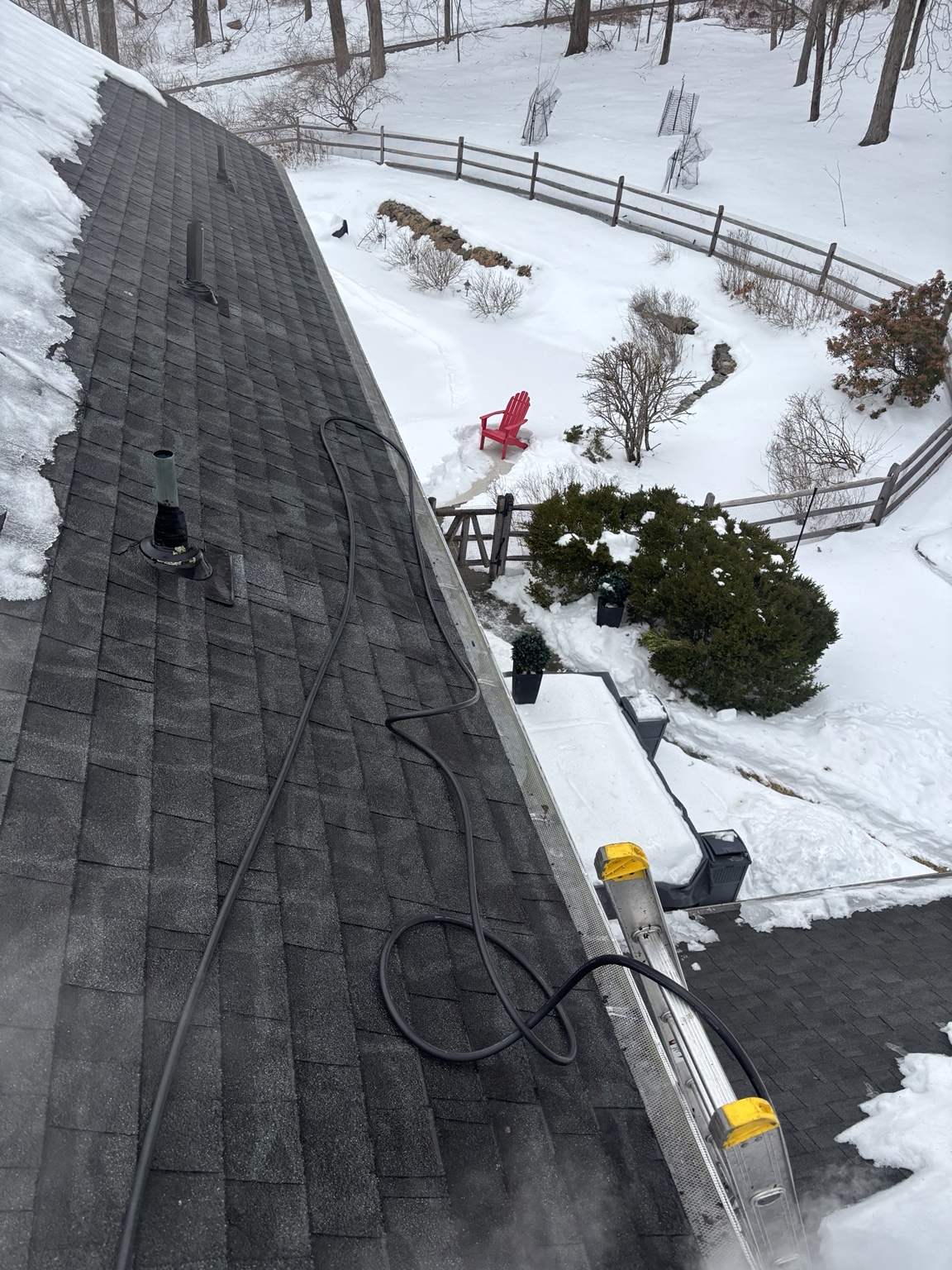
Cleared Roofing: Exposed shingles and steam equipment after removal work.
Explore more photographs in our complete ice dam removal photo gallery .
West Virginia Service Area Map & Regional Coverage Inquiries
Explore the state and its major winter weather regions. Contact Ice Dam USA to discuss professional ice dam removal availability for your specific address.
Cities & Communities Across West Virginia
Ice dams can develop in both mountain communities and lower-elevation cities. The communities below are geographic areas for service inquiries, not representations of permanent Ice Dam USA crew locations.
Northern and central West Virginia: The Morgantown, Fairmont, Clarksburg, and Charleston regions have different snowfall patterns, but changing roof temperatures can create ice buildup where drainage becomes restricted.
Mountain communities: Higher elevations around Snowshoe, Canaan Valley, Davis, and Elkins can retain snow longer, making roof insulation and winter drainage especially important.
Eastern Panhandle: Martinsburg, Charles Town, and neighboring communities can experience winter weather followed by significant freeze-thaw changes.
For a service availability inquiry, contact Ice Dam USA or call 855-468-4233 .
How Ice Dam USA Removes Roof Ice
Every project is evaluated based on roof accessibility, ice thickness, roof design, and weather conditions.
Evaluate the Ice Buildup
We examine the affected roof areas and identify where ice is obstructing drainage.
Plan Safe Access
Roof height, pitch, weather, and surrounding hazards determine how work can be approached.
Prepare the Area
Snow may be moved as needed to expose and access the affected ice.
Apply Low-Pressure Steam
Steam transfers heat into the accumulated ice to create controlled channels and removal sections.
Open Drainage Paths
Obstructing ice is removed to help trapped meltwater drain more normally.
Review Future Prevention
Recurring ice dams may require improvements to insulation, air sealing, or attic conditions.
What to Do When an Ice Dam Is Leaking Into Your Home
Ice dam leaks can become serious when trapped meltwater enters the attic, ceiling, or interior walls.
If water is entering your home, protect occupants first. Move belongings away from leaks when safe and keep people away from wet electrical fixtures or sagging ceilings.
Take photographs of the visible ice buildup and interior damage from safe locations. You may also need a roofing contractor or water damage restoration professional.
Removing the ice obstruction can help restore drainage, but existing roof damage or interior moisture may require separate repairs.
For urgent conditions, see our emergency ice dam removal service .
Common Areas Affected by Ice Dam Leaks
Attics: Wet insulation and concealed moisture.
Ceilings: Water stains, damaged drywall, or active dripping.
Exterior walls: Water traveling through cavities and damaging finishes.
Roof components: Shingles, flashing, roof decking, and vulnerable transitions.
Interior belongings: Furniture, flooring, and stored property exposed to moisture.
What Does West Virginia Ice Dam Removal Cost?
Professional ice dam removal cost depends on the amount of ice, roof height, roof pitch, accessibility, travel distance, and scheduling requirements.
A roof with one affected eave may require a different scope than a large mountain property with several roof valleys, dormers, and extensive ice accumulation.
Because West Virginia travel and crew availability can vary by location, contact Ice Dam USA for details specific to your property.
Review our ice dam removal pricing guide for current service rates, minimums, and additional cost considerations.
Factors That Affect Removal Cost
Ice thickness and total roof coverage
Number of affected roof sections
Roof height and pitch
Snow and ice access conditions
Travel distance and available crews
Emergency or expedited scheduling
Weather and job complexity
Frequently Asked Questions About Removing Ice Dams
Answers to common questions about roof ice, professional steam removal, ice dam leaks, and long-term prevention.
What causes ice dams on a roof?
Ice dams develop when snow melts on warmer roof sections and refreezes at colder edges. Repeated melting and refreezing creates a ridge that may block drainage and trap water.
What is the best way to remove ice dams?
For substantial roof ice buildup, professional low-pressure steam is a controlled removal method that avoids the aggressive force of chopping or high-pressure washing. The safest approach depends on the roof and site conditions.
How do you get rid of ice dams on a roof?
Existing ice dams can be removed by qualified technicians using specialized steam equipment. Long-term prevention often involves addressing attic air leakage, insulation, and other heat-loss conditions.
Can you melt ice dams with hot water?
Pouring hot water onto roof ice can create additional runoff that may refreeze. Improper application can also be dangerous. Professional low-pressure steam uses specialized equipment and a controlled removal process.
Should I use salt or calcium chloride on my roof?
Some products are marketed for melting roof ice, but results vary and materials may affect roof components, landscaping, or drainage areas. Avoid improvised treatments on an inaccessible or icy roof. A professional can assess substantial existing buildup.
Can a roof rake remove an ice dam?
A roof rake may help reduce snow accumulation when used properly from a safe position. However, it usually does not remove thick ice that is already bonded to the roof.
Do ice dams always cause roof damage?
No. An ice dam does not automatically mean water has entered the home. However, substantial ice can obstruct drainage and increase the risk of leaks and roofing damage.
How can I tell whether an ice dam is leaking?
Look for water stains, dripping ceilings, damp insulation, or moisture appearing near exterior walls during winter snowmelt. Other roof defects can cause similar symptoms, so professional evaluation may be appropriate.
Is steam ice dam removal safe for shingles?
Professional low-pressure steam is designed to reduce risks associated with aggressive chopping and high-pressure washing. Roof condition, operator technique, and working conditions still matter. No removal method is completely without risk.
How much does professional ice dam removal cost?
Pricing depends on the amount of ice, accessibility, roof configuration, travel, and scheduling needs. See our current ice dam removal pricing for more information.
Can removing an ice dam stop my roof from leaking?
Removing ice that blocks drainage may help reduce additional water backup. However, existing roofing damage or moisture already inside the building may require further work.
Does Ice Dam USA offer emergency removal in West Virginia?
Ice Dam USA accepts emergency ice dam removal inquiries. West Virginia dispatch depends on location, weather, travel, and current crew availability. Call 855-468-4233 to discuss your address.
How do I prevent ice dams from coming back?
Long-term prevention typically focuses on reducing heat escaping into attic spaces, maintaining suitable insulation, and evaluating roof ventilation and drainage conditions.
Are mountain homes in West Virginia more vulnerable?
Mountain communities can experience longer periods of roof snow accumulation. However, whether ice dams form still depends on the individual building, roof temperature, and freezing conditions.
Professional Services & Ice Dam Removal Resources
Explore our service information, real project photography, pricing, and educational resources for winter roof protection.
Need Professional Ice Dam Removal in West Virginia?
Whether you're dealing with heavy roof ice, dangerous winter buildup, or water entering your home, Ice Dam USA can discuss removal options and current service availability.
Our team uses professional low-pressure steam equipment and brings more than 30 years of industry experience to difficult winter roof ice conditions.
Call 855-468-4233 to discuss your property and current availability.
