
Washington DC & Northern Virginia Ice Dam Removal
When winter storms leave dangerous ice along your roof, professional removal can help restore drainage and reduce additional water damage.
Washington, DC and Northern Virginia may not experience the same extended winter conditions as northern states, but major snowstorms followed by changing temperatures can create serious roof ice problems.
Ice Dam USA uses professional low-pressure Arctic Steamers to remove accumulated ice without relying on aggressive chopping or high-pressure water blasting.
Whether you own a historic home in Alexandria, a townhouse in Arlington, or a larger property in Fairfax County, contact our team to discuss professional ice dam removal availability.
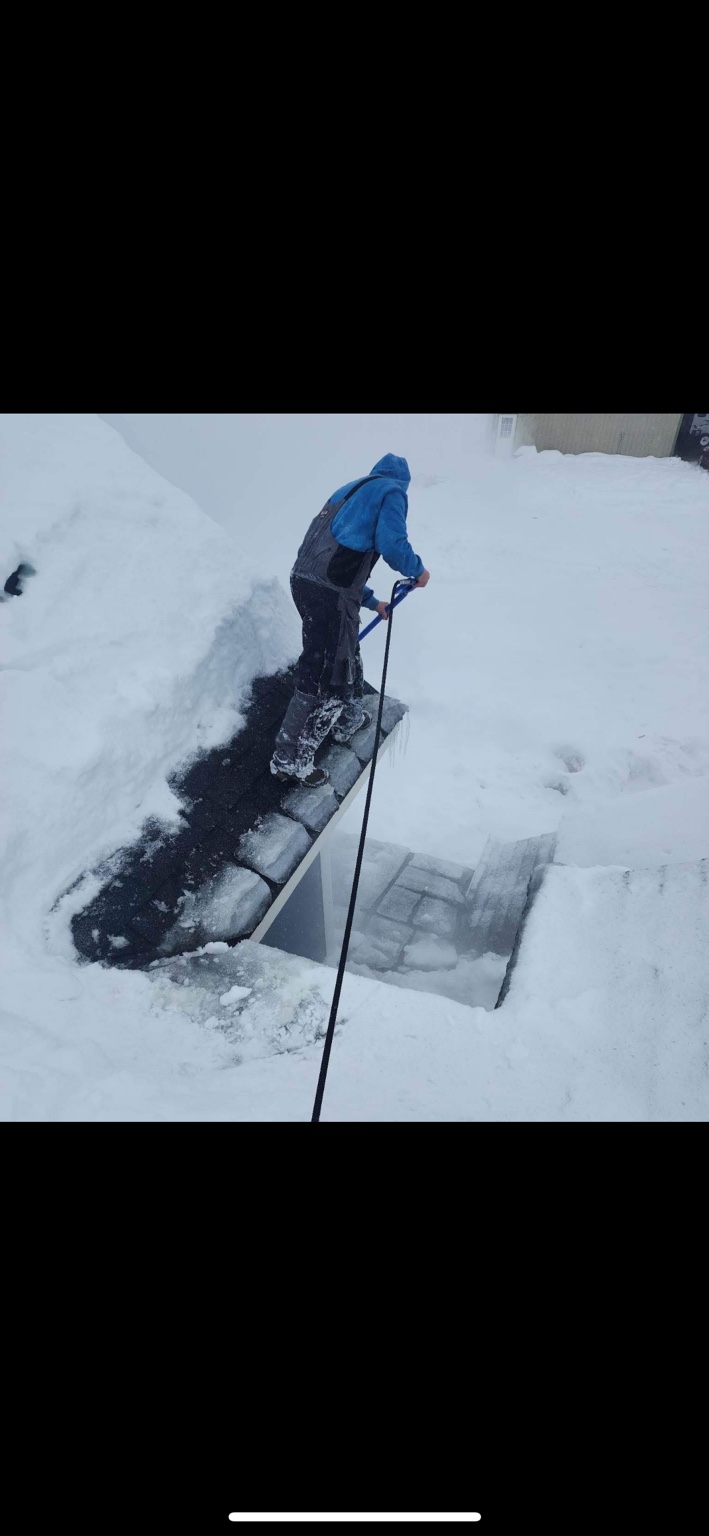
Actual Ice Dam USA winter roof project.
Why Ice Dams Form Around Washington, DC
The Washington metropolitan region experiences highly variable winter weather. Some winters bring relatively little snowfall, while stronger storms can leave substantial accumulation on rooftops throughout the District, Arlington, Alexandria, Fairfax, and Loudoun County.
A particularly troublesome pattern occurs when snow remains on a roof during the day while warmer roof sections begin melting it. Water travels toward the eaves, where temperatures may remain below freezing.
Once that water freezes, it can create an ice ridge. Continued melting higher on the roof may cause water to collect behind the obstruction.
Roof design also matters. Dormers, attached porches, additions, complex valleys, and uneven attic insulation can create different temperatures across the same roof.
Learn more about how ice dams develop and how to prevent them .
When Does Roof Ice Become an Ice Dam Problem?
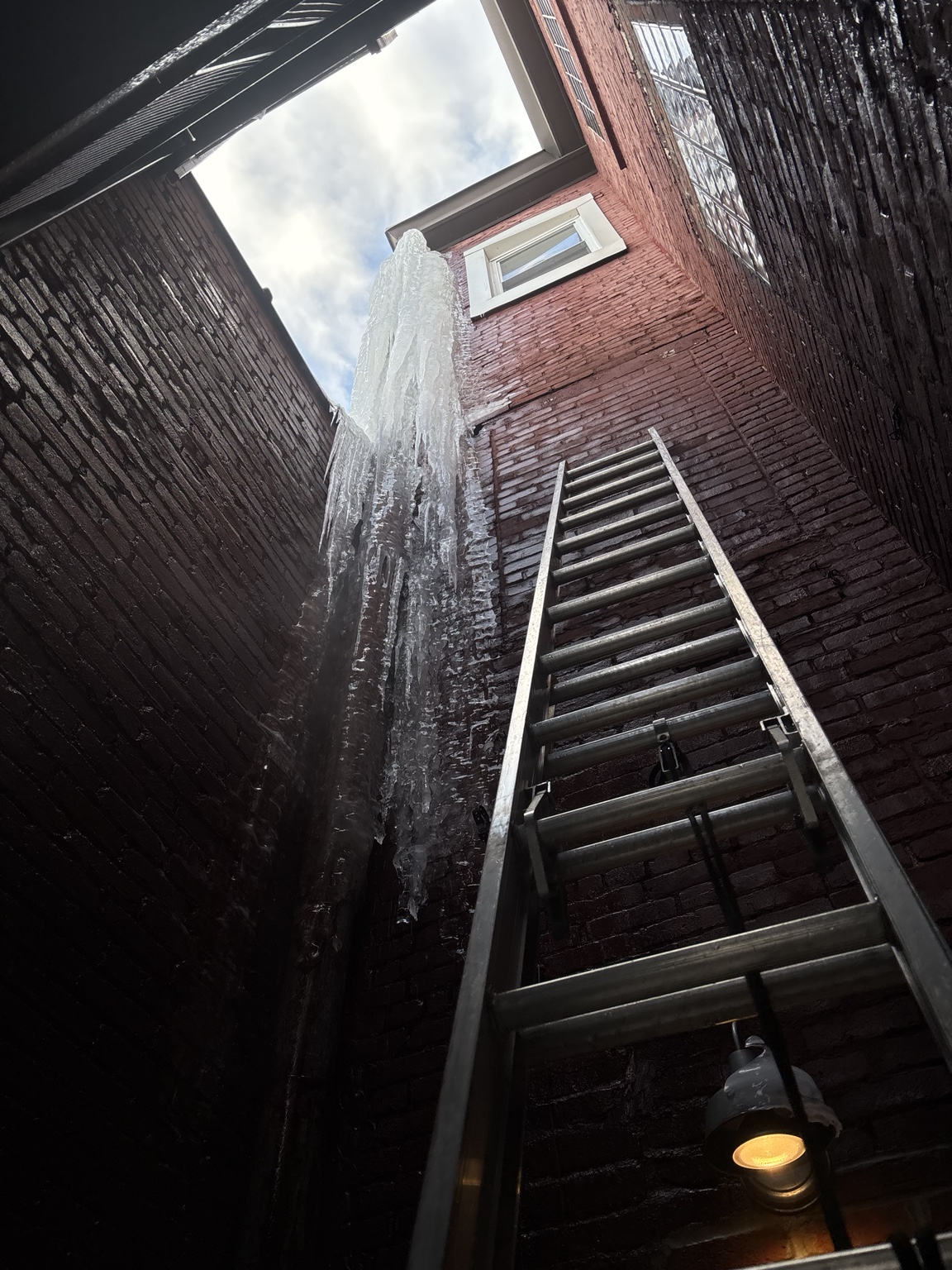
Heavy icicles alone do not necessarily mean that water is trapped behind an ice dam. These additional conditions deserve attention.
Solid Ice Along the Roof Edge
A thick ridge of ice can prevent melting snow from draining over the lower edge of the roof.
Water Stains During Snowmelt
Ceiling discoloration or water appearing near exterior walls may indicate that meltwater is entering the building.
Ice Around Dormers & Valleys
Intersecting roof slopes can concentrate melting runoff in areas where it may refreeze repeatedly.
Heavy Hanging Ice
Large hanging ice formations may create hazards near doors, walkways, driveways, and other occupied areas.
Patchy Roof Snowmelt
Snow disappearing from one section while remaining near the eaves may indicate uneven roof temperatures.
The Same Problem Every Storm
Recurring leaks or roof-edge ice can indicate attic air leakage, insulation gaps, or drainage issues.
Historic Homes, Townhouses & Suburban Rooflines
The Washington region has a broad mix of building styles, which creates different ice dam removal challenges. A rowhouse roof, historic residence, and large suburban home may require different access and removal planning.
Historic Washington Properties
Older homes in neighborhoods such as Capitol Hill, Georgetown, and Cleveland Park may have roof transitions, older insulation, or additions that affect snowmelt.
Some properties use low-slope roofing rather than traditional pitched shingles. The type of roofing system must be considered before attempting ice removal.
Alexandria & Arlington Homes
Historic Alexandria residences and Arlington's mix of older homes, renovations, and townhouses can have multiple roof elevations and dormers.
These features may concentrate water around intersections where ice can obstruct drainage.
Fairfax & Loudoun County
Larger homes around Fairfax, Vienna, McLean, Reston, Ashburn, and Leesburg often feature several roof slopes and extensive eave lengths.
Multiple valleys and steep sections can change how snow collects and where meltwater refreezes.
What matters most: The roof's actual condition, design, accessibility, and ice thickness determine the proper removal approach. A location alone does not establish the severity of an ice dam problem.
Why True Steam Is Better for Ice Dam Removal
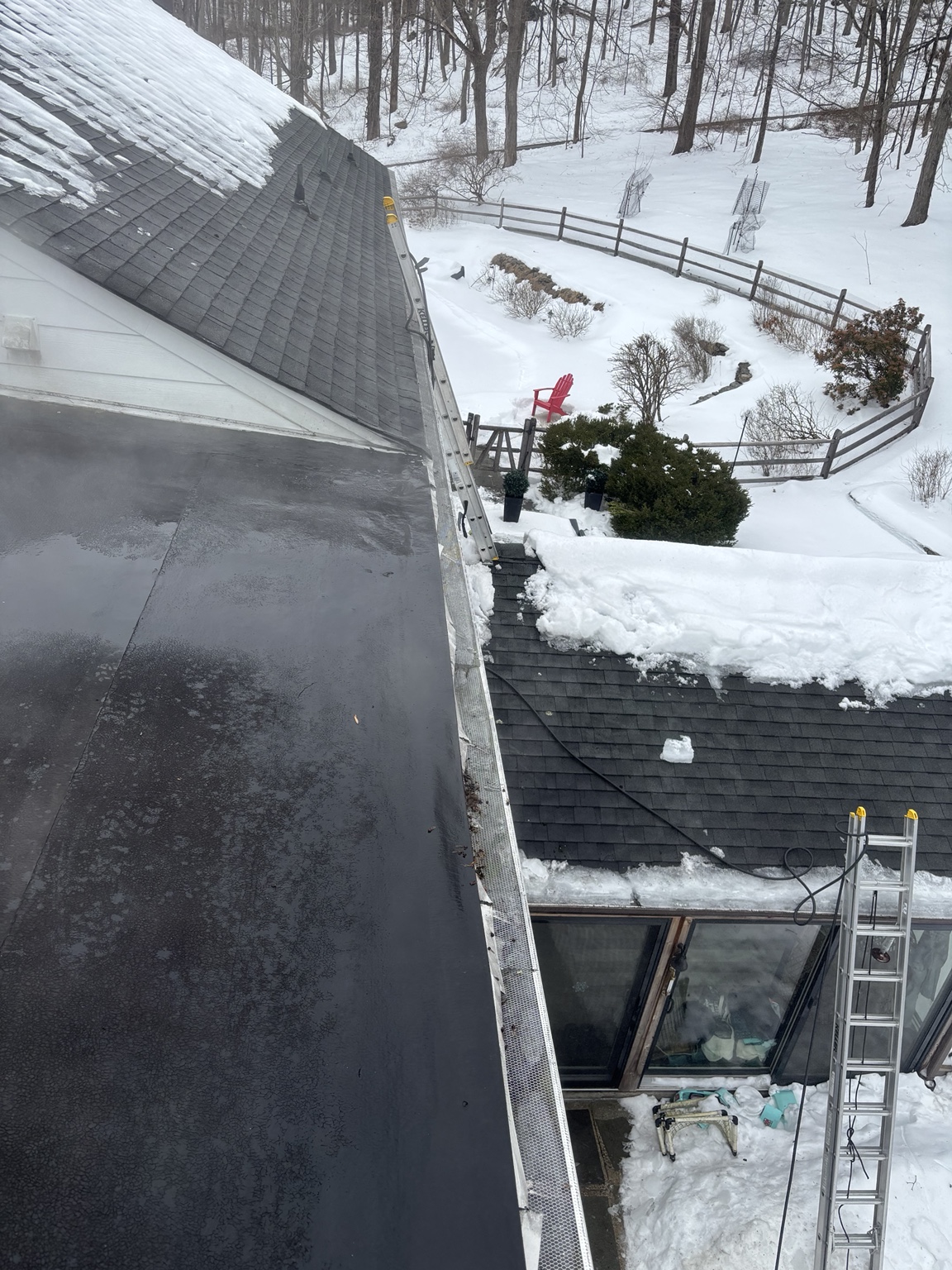
Ice Dam USA uses professional Arctic Steamers to melt through accumulated roof ice using low-pressure steam.
This is different from using an ordinary pressure washer, even one that heats water. High-pressure washing relies on a forceful stream that may damage shingles, flashing, and vulnerable roofing details.
Aggressive chopping with axes, metal tools, or chisels can also create unnecessary risks.
Professional steam removal allows trained technicians to create channels through ice and work through thick buildup in controlled sections.
The purpose is to remove the obstruction and allow melting snow to drain more normally.
Learn more about Ice Dam USA's professional steam removal process .
How to Get Rid of Ice Dams Without Harming Your Roof
The best way to handle ice dams depends on whether you are trying to prevent buildup or remove thick ice that has already formed.
Professional Low-Pressure Steam
For substantial established ice dams, qualified technicians can use specialized steam equipment to melt and remove obstructing ice.
Safe Snow Reduction
Removing accessible snow from the ground with an appropriate roof rake may reduce additional meltwater. This does not necessarily remove an existing ice ridge.
Long-Term Roof Improvements
Air sealing, insulation improvements, and a professional ventilation evaluation may help reduce recurring ice dams.
Safety reminder: Do not climb onto an icy roof, break ice with sharp tools, use open flames, or pour boiling water onto roofing materials.
What Happens During Professional Ice Dam Removal?
The work plan depends on the amount of ice, the roofing system, weather conditions, and safe access.
Review the Roof
Affected areas are identified, including eaves, valleys, and areas where water may be trapped.
Evaluate Access
The technician considers roof height, slope, nearby hazards, and the conditions on site.
Expose the Ice
Snow may be moved where necessary to reveal the ice that needs removal.
Apply Steam
Low-pressure steam works through the ice with heat instead of aggressive force.
Remove Obstructions
The targeted buildup is separated and cleared to help restore roof drainage.
Discuss Prevention
The homeowner can consider follow-up roofing, insulation, or air-sealing work if problems recur.
See Real Roof Ice Removal Work
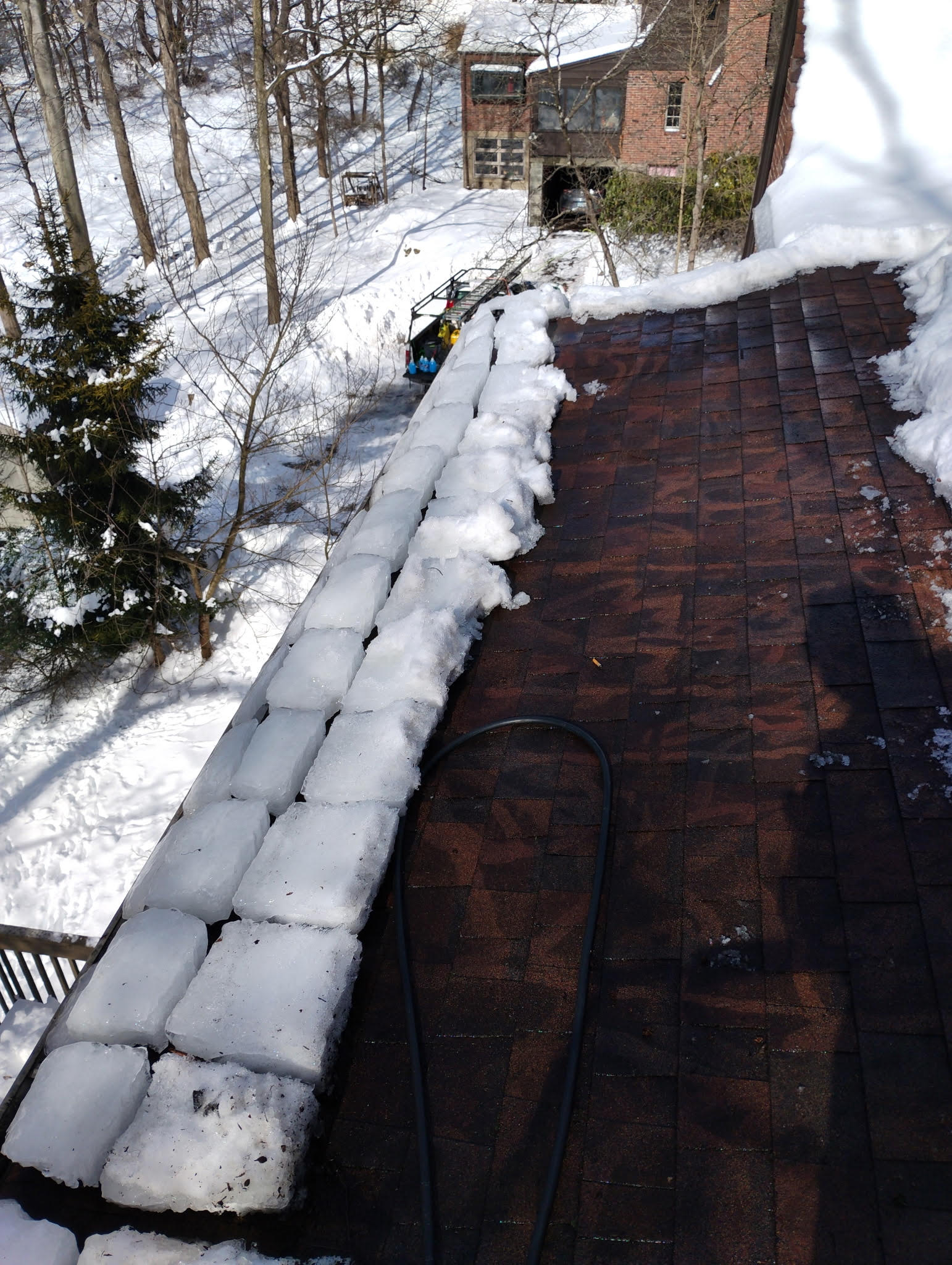
These photographs are taken from Ice Dam USA's own project gallery. They show actual removal work and roof ice conditions rather than generic stock photos.
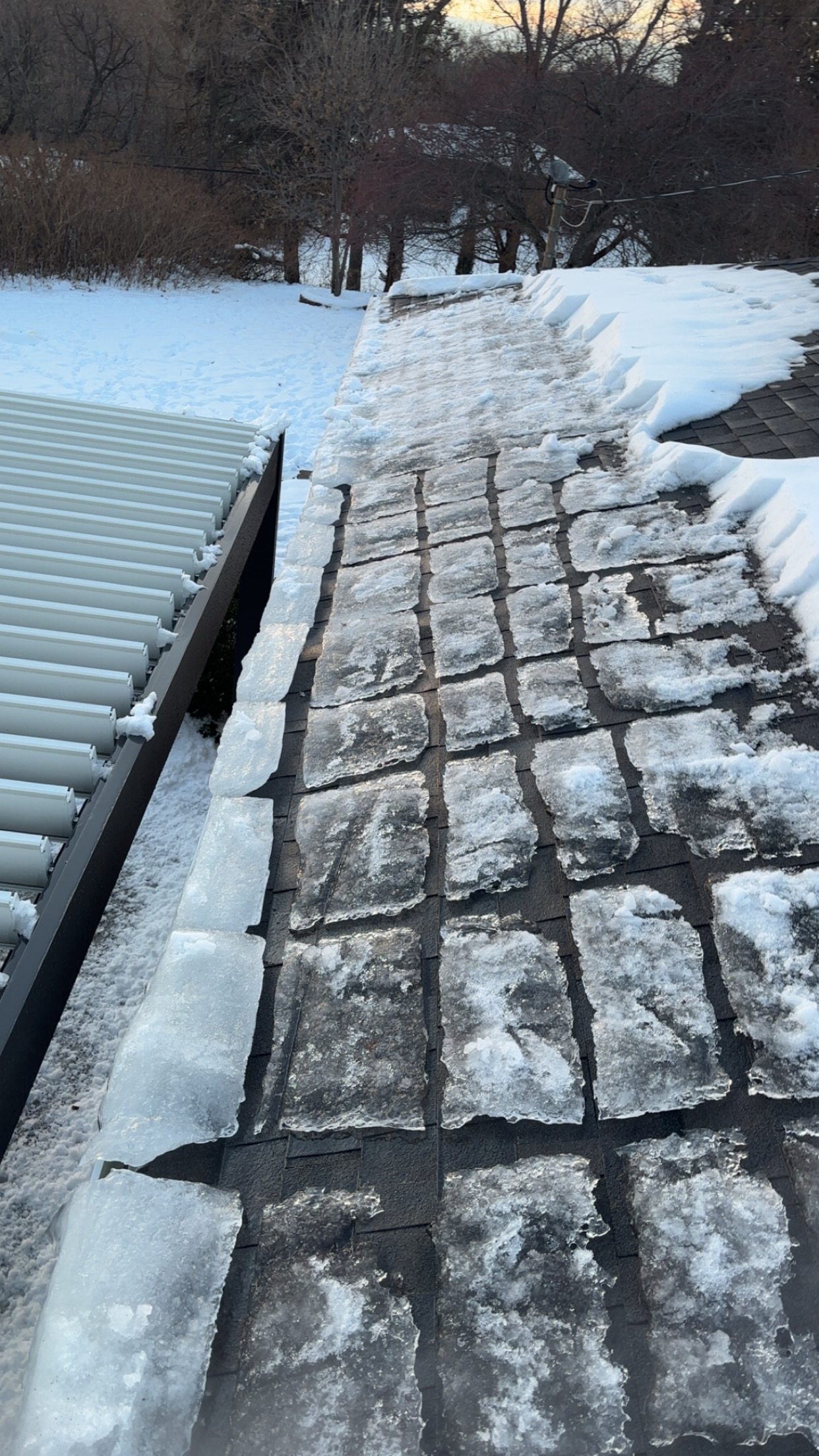
Controlled Ice Removal Sections of thick ice separated during roof ice removal work.
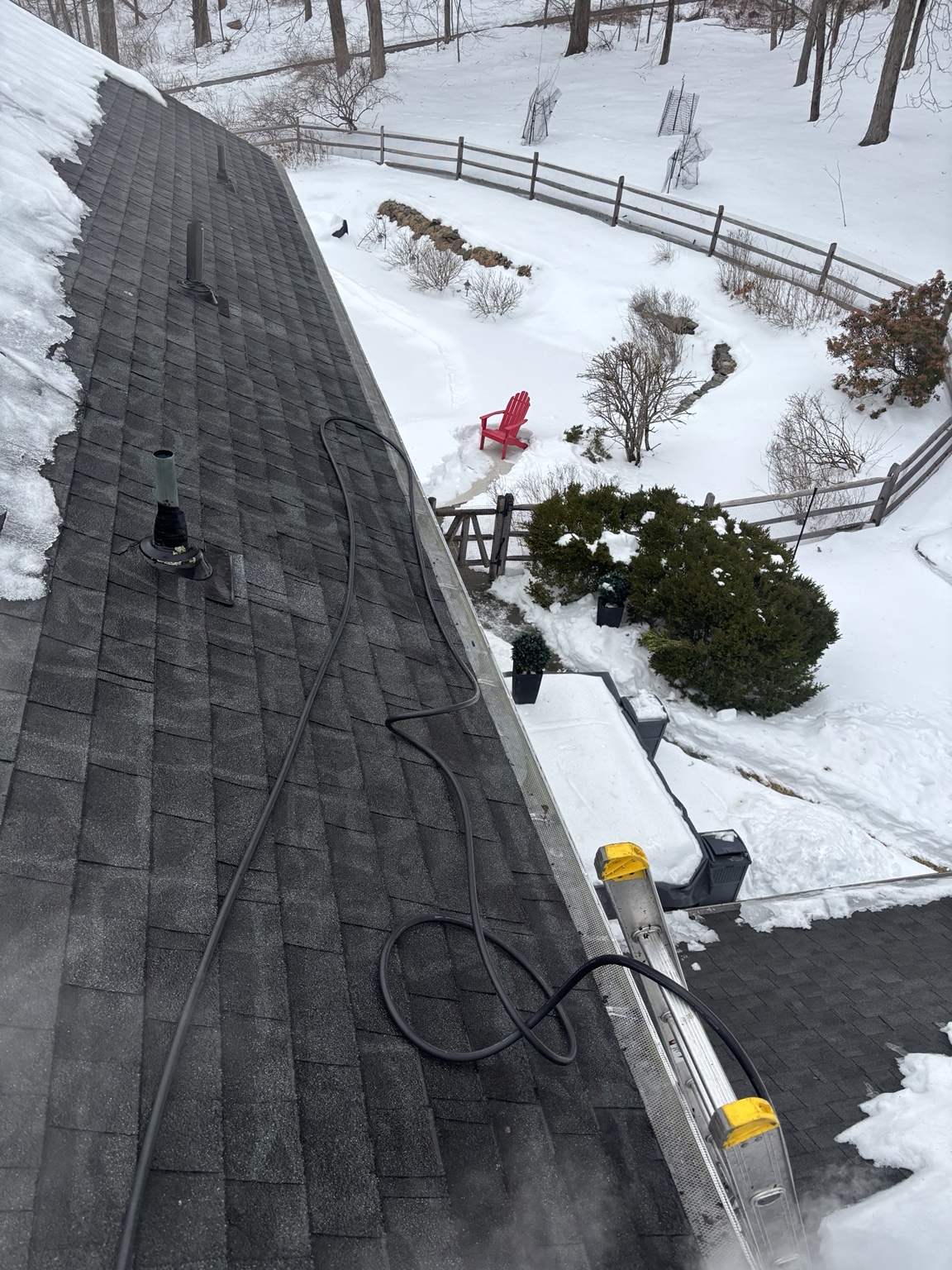
Roof Ice Clearing Progress Exposed roofing materials after accumulated ice has been removed.
Winter Roof Conditions An example of the substantial roof ice buildup that may require professional attention.
Explore more actual projects in our Ice Dam USA photo gallery .
Washington, DC & Northern Virginia Ice Dam Removal Locations
Contact Ice Dam USA to discuss the property address, roof conditions, and crew availability. Regional conditions vary across the metro area.
Washington, DC
Washington neighborhoods include Capitol Hill, Georgetown, Cleveland Park, Petworth, and many other historic and modern residential areas.
Snow accumulation on roof transitions, dormers, and unevenly heated sections can create drainage concerns.
Arlington & Alexandria
Arlington County and the City of Alexandria contain a mix of older houses, townhomes, and recently renovated buildings.
Ice dams can appear around porch roofs, roof valleys, and other areas where snowmelt reaches colder surfaces.
Fairfax County
Fairfax, Vienna, McLean, Reston, Herndon, Annandale, and Springfield have diverse residential roofing styles.
Multi-slope roofs and long eave sections may require a more detailed ice assessment.
Loudoun County
Leesburg, Ashburn, Sterling, and surrounding communities include larger suburban homes and rural properties.
Steep roofs and multiple valleys can affect both ice formation and professional access.
Prince William County
Manassas, Woodbridge, Dale City, Gainesville, and nearby neighborhoods may experience snow followed by thawing and nighttime refreezing.
Roof temperature differences and runoff pathways help determine ice dam risk.
Nearby Maryland Suburbs
Bethesda, Rockville, Silver Spring, Potomac, and Gaithersburg are part of the broader Washington region.
For Maryland-specific information, visit our Maryland ice dam removal page .
Washington DC & Northern Virginia Service Area Map
View the Washington metropolitan region and the surrounding communities. The map is a geographic reference for service inquiries.
Washington Metro Communities
Inside the Beltway: Older houses, townhomes, and closely spaced properties may require special consideration for roof access and falling ice.
Western suburbs: Properties farther west may experience different snow accumulation and temperature patterns, especially during larger winter storms.
Southern suburbs: Snow followed by warming conditions and a nighttime freeze can still create roof ice, even when snow cover is brief.
Need to ask about another nearby community? Contact our team or call 855-468-4233 .
What to Do When an Ice Dam Causes a Roof Leak
An ice dam can allow melting snow to back up behind a frozen obstruction and enter vulnerable roofing areas.
If water is entering your home, prioritize personal safety. Keep people away from sagging ceilings, wet electrical fixtures, and hazardous falling ice.
Move belongings away from affected areas when safe. Photograph visible damage and roof conditions from the ground for records or possible insurance documentation.
Professional ice removal may help reopen drainage paths. However, roofing damage and moisture already inside the building may require additional repair or restoration.
Read about emergency ice dam removal .
When You Call, Have These Details Ready
Address: The exact property location.
Building type: Home, townhome, apartment, or commercial building.
Roof: Approximate height, pitch, and accessibility.
Ice: Affected eaves, valleys, and approximate buildup.
Water intrusion: Whether ceilings or walls are leaking.
Photos: Ground-level pictures taken without unsafe access.
How Much Does Ice Dam Removal Cost Around Washington, DC?
Professional ice dam removal pricing is based on the scope of the work and the conditions at the property.
Roof height, ice thickness, roof slope, access limitations, travel distance, and scheduling priority can all affect the rate and time required.
Historic urban properties may present different access challenges than larger suburban homes. Three-story buildings, steep roofs, and complex rooflines may require additional planning.
Ice Dam USA publishes its current hourly service rates, minimums, and billing information on its ice dam removal pricing page .
What Can Affect Your Project?
Amount and thickness of roof ice
Length of roofline affected
Roof height and slope
Multiple roof valleys or dormers
Ground access and nearby hazards
Building location and travel
Priority or emergency scheduling
Weather and working conditions
How Northern Virginia Homeowners Can Reduce Recurring Ice Dams
Removing an existing ice dam addresses the current buildup. Preventing future ice dams requires examining why the roof warms unevenly.
Reduce Warm Air Escaping
Gaps around attic access points and penetrations can allow warm indoor air to affect roof temperatures.
Evaluate Coverage
Poorly distributed or inadequate insulation may allow unwanted heat to warm the roof deck.
Review Roof Airflow
Proper ventilation, considered alongside air sealing and insulation, can help manage attic conditions.
Inspect Vulnerable Areas
Dormers, valleys, flashing, and roof intersections deserve attention during roof maintenance.
Plan Ahead for Storms
Professional snow management may be appropriate for some roofs during unusually heavy snowfall.
Address Existing Damage
Damaged roofing materials and failed flashing need separate evaluation and appropriate repairs.
Learn more in our Ice Dam Learning Center .
Washington DC & Northern Virginia Ice Dam Removal FAQs
Helpful answers about removing ice dams, winter roof leaks, professional steam equipment, and service.
Can ice dams form in Washington, DC?
Yes. Ice dams can form when snow accumulates, melts on warmer roof surfaces, and refreezes at colder roof edges. Even occasional major winter storms can create these conditions.
What is the best way to remove an ice dam from my roof?
For substantial existing roof ice, professional low-pressure steam can provide a controlled removal method. Avoid dangerous roof climbing and aggressive chipping methods.
How do you get rid of ice dams on a townhouse?
A qualified professional should evaluate the roofing system, access points, shared rooflines, and affected areas. Townhouses may require additional coordination with neighbors or property associations.
Can ice dams form after only one snowstorm?
Yes. A sufficiently large snowfall followed by melting and freezing can create an ice dam under the right roof conditions.
What causes ice dams on roofs with dormers?
Dormers create roof transitions and valleys that can collect snow and concentrate runoff. Variations in heat loss may cause water to melt and refreeze unevenly.
Will removing an ice dam stop a ceiling leak?
Removing an obstruction may help restore drainage. It does not guarantee that existing moisture stops immediately or that damaged roofing has been repaired.
Can I melt ice dams using hot water?
Improvised hot-water methods can create additional runoff and refreezing. Professional steam equipment is designed for controlled ice removal and should be operated by trained technicians.
Are roof ice melt pucks or salt a good solution?
Chemical ice-melting products have limitations and may affect roofing, drainage components, or surrounding materials. They should not be assumed to solve a substantial ice dam or active water leak.
Can a roof rake prevent ice dams?
Removing reachable snow from a safe ground position may reduce available meltwater. However, a roof rake generally does not remove a thick existing ice dam.
How long does professional ice dam removal take?
The time required varies with the thickness and amount of ice, roof height, roof design, access, and weather. Ice Dam USA provides more information in its removal cost and time guide .
Does Ice Dam USA offer emergency service in Northern Virginia?
Ice Dam USA accepts emergency requests 24 hours a day. Dispatch availability and arrival time depend on location, weather, and available technicians. Call 855-468-4233 .
Will my homeowners insurance cover ice dam damage?
Coverage varies by insurance policy and circumstances. Some policies may cover certain resulting water damage while treating removal costs separately. Contact your insurer.
How can I prevent ice dams from coming back?
Long-term prevention often involves attic air sealing, suitable insulation, ventilation assessment, and attention to roofing details that affect drainage.
Do you have a permanent office in Washington, DC or Northern Virginia?
Ice Dam USA is a Minnesota-based company that coordinates services across multiple regions. Contact the team to confirm current local or traveling crew availability. This page does not represent a permanent local office.
Additional Ice Dam Removal Services & Resources
Learn about our professional removal methods, roof ice emergencies, project photography, and nearby regional service information.
Need Ice Dam Removal in Washington DC or Northern Virginia?
Thick roof ice can block melting snow from draining and create serious risks for ceilings, insulation, and roofing materials.
Ice Dam USA brings decades of industry experience and specialized low-pressure steam equipment to professional roof ice removal.
Tell us your property location, roof conditions, and whether water is already entering the building. Our team can discuss service options and current availability.
Call 855-468-4233. Technician dispatch depends on location, safe access, weather, and scheduling.
