
Nevada Ice Dam Removal
Professional steam removal information for Lake Tahoe, Sierra Nevada homes, and snow-covered mountain properties.
Nevada may be known for its desert landscapes, but the state's mountain communities experience an entirely different winter.
Around Lake Tahoe, the Carson Range, and Nevada's higher elevations, heavy snowfall and changing roof temperatures can create thick ice dams that prevent melting snow from draining.
Ice Dam USA specializes in removing established roof ice with professional low-pressure Arctic Steamers. With more than 30 years of industry experience, our team understands the challenges created by severe winter roof conditions.
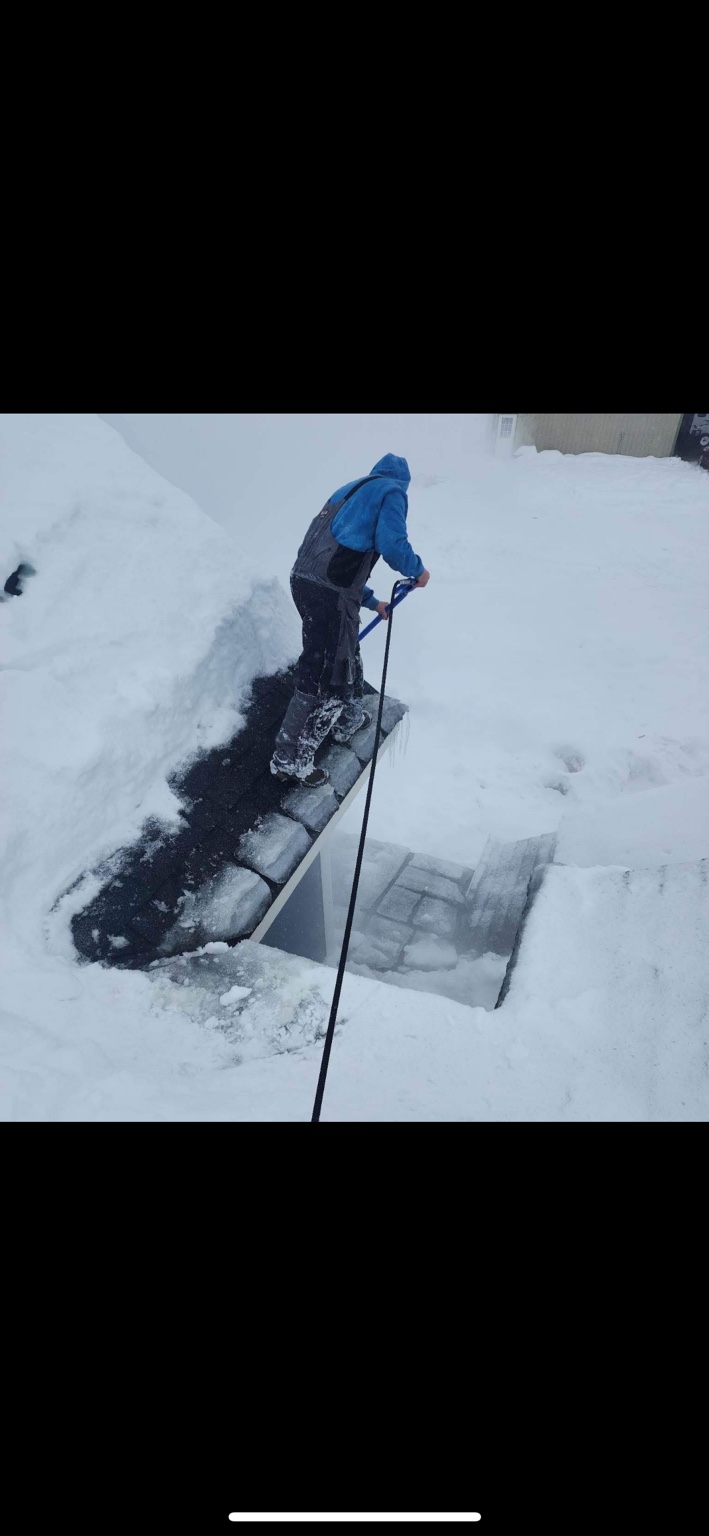
Professional roof ice removal photographed by Ice Dam USA.
Why Lake Tahoe Roofs Can Develop Serious Ice Dams
The Nevada side of Lake Tahoe experiences winter weather that is very different from the state's lower-elevation desert regions.
Homes around Incline Village, Crystal Bay, Stateline, and Zephyr Cove may experience substantial snowfall, long periods of roof snow retention, and frequent changes in sun exposure.
An ice dam develops when snow melts on a warmer section of a roof and the water refreezes near the colder roof edge.
Over time, the ice ridge can grow thick enough to prevent additional snowmelt from draining normally.
Water collecting behind that obstruction may work beneath shingles or flashing, contributing to attic moisture, ceiling stains, or interior leaks.
Mountain homes are not automatically more vulnerable simply because they receive heavy snow. Roof insulation, air leakage, orientation, and drainage conditions all influence the risk.
Visit our Ice Dam Learning Center to understand how roof ice forms and why some homes develop recurring problems.
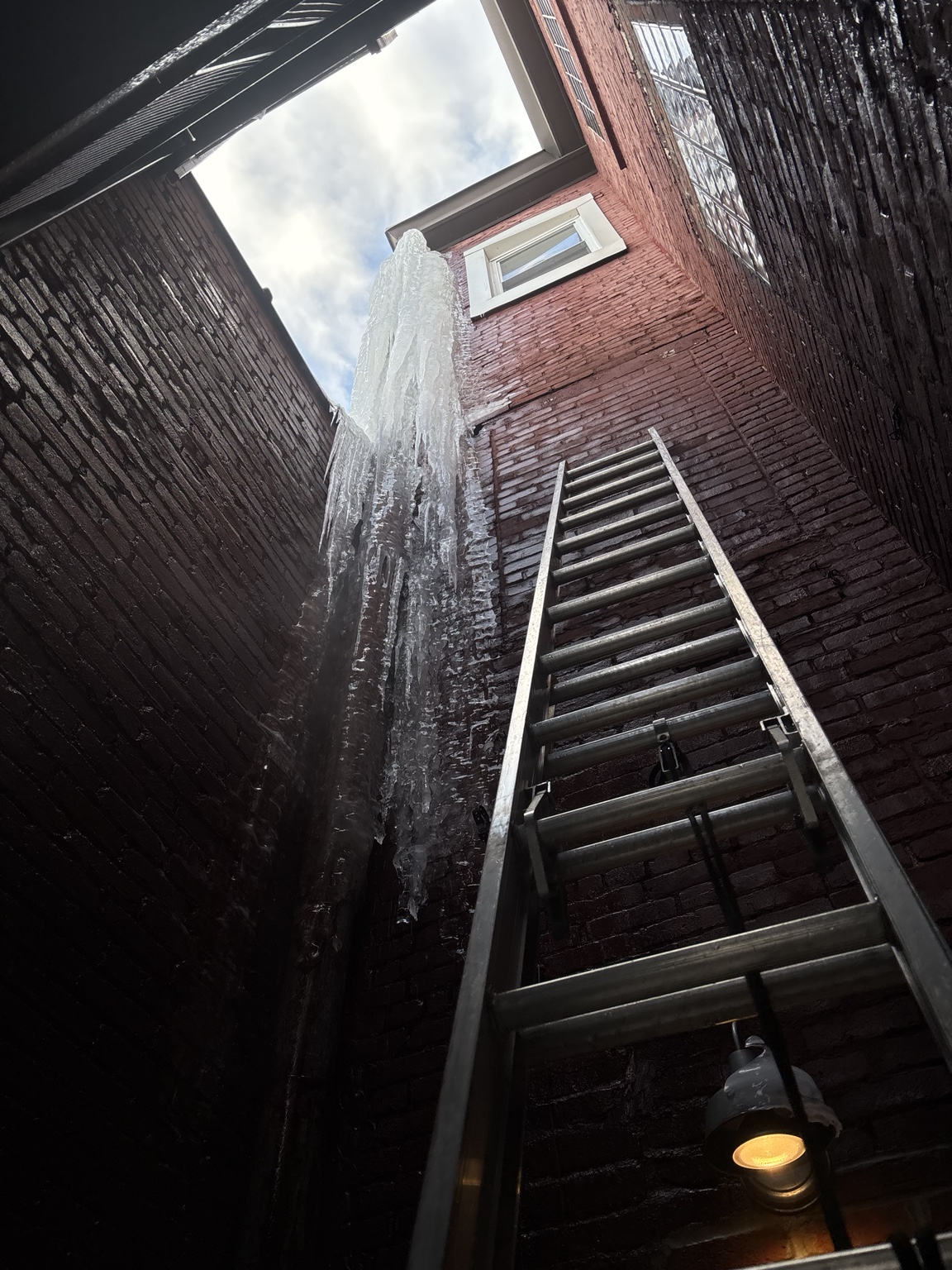
Four Conditions That Make Tahoe Ice Dams Different
The combination of elevation, snow accumulation, property design, and winter sunlight creates roofing challenges that may not occur in Nevada's lower deserts.
Long Snow Retention
Snow remaining on the roof for extended periods can provide a continued source of meltwater when the roof deck warms beneath it.
Sunny Slopes, Frozen Eaves
Solar exposure may warm one roof section while shaded lower edges remain below freezing.
Cabins With Complex Rooflines
Dormers, roof valleys, porches, and intersecting slopes can concentrate snowmelt into vulnerable areas.
Steep Mountain Properties
Roof pitch, surrounding snowbanks, and difficult equipment access can make professional removal planning more complicated.
Is It an Ice Dam or Ordinary Winter Ice?
Not all ice hanging from a roof indicates an ice dam. The important question is whether accumulated ice is preventing melting snow from draining.
Ice Across the Roof Edge
A continuous ridge of ice along the eaves can create a barrier that holds additional meltwater behind it.
Water Entering the Building
Moisture around upper-floor ceilings, exterior walls, or attic insulation during snowmelt can indicate water intrusion.
Frozen Roof Valleys
Roof valleys gather runoff from multiple slopes. Ice in these areas can interfere with normal water movement.
Important distinction: A roof covered in snow does not automatically have an ice dam, and an ice dam does not always cause a leak. The combination of an ice obstruction and trapped water is what makes the condition concerning.
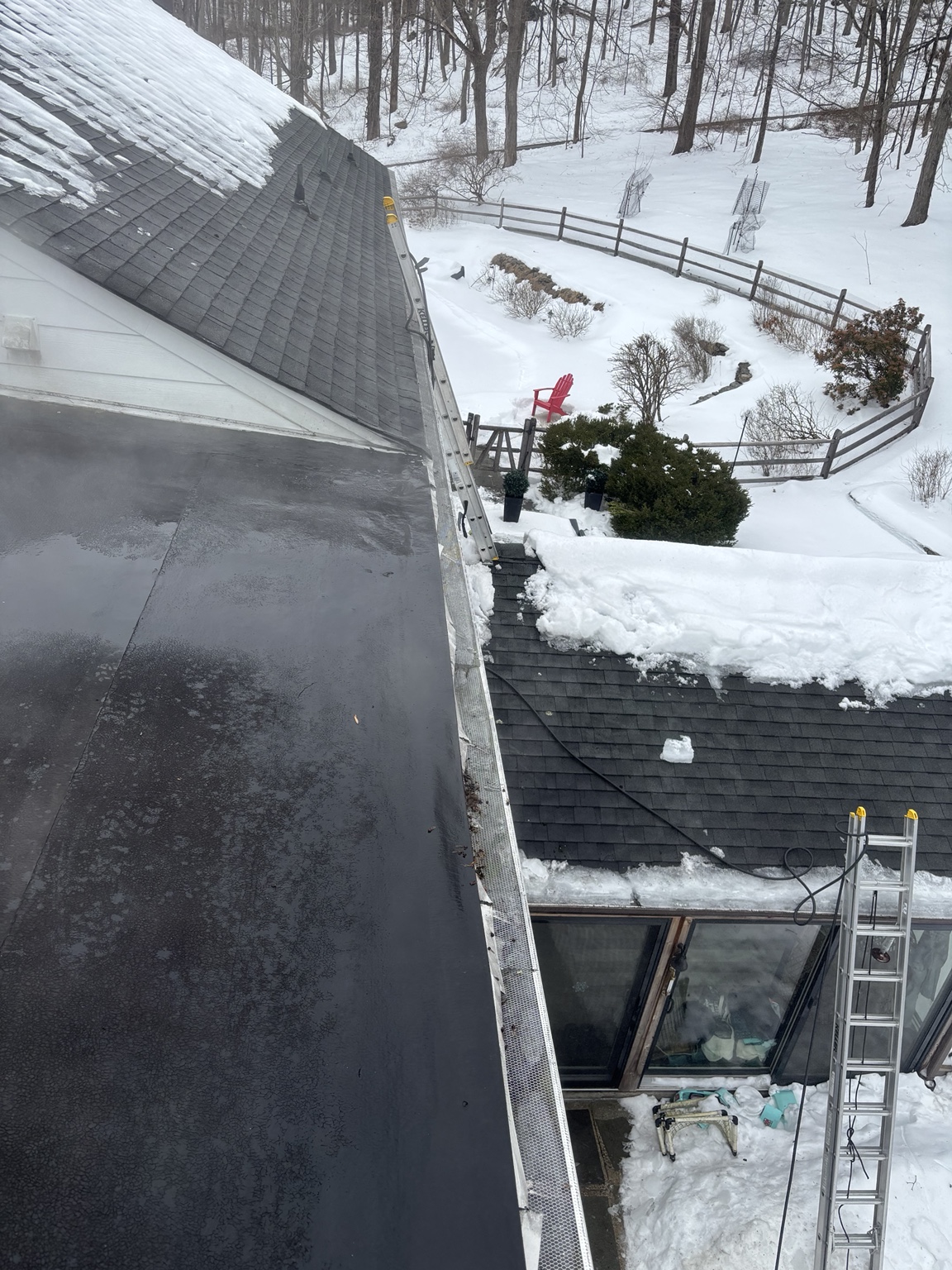
Why True Steam Is Better for Ice Dam Removal
Removing an established roof ice dam requires a different approach from simply removing loose snow.
Ice Dam USA uses professional Arctic Steamers that deliver low-pressure steam to melt through accumulated ice.
Unlike high-pressure washing, true steam removal relies primarily on heat rather than the force of a powerful water stream.
Aggressive chopping with metal tools can damage shingles, flashing, and other roofing components.
With low-pressure steam, trained technicians can open channels through the ice and remove obstructing sections more gradually.
The roof's existing condition, accessibility, weather, and ice thickness still determine the safest appropriate procedure.
Learn about our professional ice dam removal process .
How to Get Rid of Ice Dams on a Mountain Roof
Removing roof snow, melting an existing ice dam, and preventing future ice buildup are three different objectives.
Manage Reachable Snow
Removing accessible roof snow from a safe position on the ground may help reduce the amount of additional snowmelt.
A roof rake does not necessarily eliminate a solid ice ridge that has already formed.
Professional Steam Removal
For heavy existing ice, qualified technicians can use specialized low-pressure steam equipment to remove the obstruction.
Safe roof access and site conditions are essential considerations.
Investigate Heat Loss
Recurring ice dams may indicate attic air leakage, insulation gaps, or other conditions that warm roof decking.
Correcting underlying conditions is different from removing the ice already present.
Safety: Avoid climbing onto an icy mountain roof, striking ice with sharp tools, applying open flames, or using improvised boiling-water treatments.
Where Nevada's Winter Roof Conditions Change
A home near Lake Tahoe faces different snow and temperature conditions from a property in Reno or northeastern Nevada.
Incline Village & Crystal Bay
On Lake Tahoe's north and northeast shores, wooded neighborhoods, steep rooflines, and substantial winter snowfall can contribute to snow retention.
Shaded roof edges, dormers, and attic heat loss may create conditions for ice to accumulate.
Stateline & Zephyr Cove
Properties along Tahoe's southeastern shore can experience a combination of mountain snow, changing temperatures, and sun exposure.
Roof orientation and the location of shaded eaves can influence where snowmelt refreezes.
Reno & Washoe County
Reno and Sparks generally experience different winter conditions from high-elevation Tahoe communities.
However, foothill properties and higher neighborhoods can retain more snow, depending on elevation and storm conditions.
Carson City & Carson Valley
Carson City, Minden, Gardnerville, and nearby foothill communities vary considerably in elevation and winter exposure.
Individual roof design and snow retention matter more than a citywide assumption.
Elko & Spring Creek
Northeastern Nevada experiences colder winter conditions and snow events that differ from western Nevada.
Homes with snow-covered roofs and uneven heat transfer can develop localized ice dams.
Ely & Eastern Nevada
Higher-elevation areas around Ely and the surrounding mountain region can experience sustained winter cold and snow.
Roof accessibility, snow distribution, and freezing patterns affect the type of ice problem that may develop.
Why Vacation Homes Need Special Attention After Heavy Snow
A second home or vacation property may sit unoccupied for days or weeks during active winter weather.
If an ice dam develops during that period, interior water intrusion may remain unnoticed until the next visit.
Mountain properties with high ceilings, finished attic spaces, multiple dormers, or complex rooflines may have several areas that deserve attention after significant snowfall.
Property managers should watch for heavy roof-edge ice, changes in ceiling finishes, and visible signs of water entering the building.
When significant ice buildup is present, professional evaluation is preferable to attempting removal with sharp tools or unsafe roof access.
Mountain Property Winter Checklist
Roof edges: Look for continuous ice ridges.
Roof valleys: Check for unusually thick ice.
Interior ceilings: Watch for new stains or moisture.
Attic spaces: Look for damp insulation where safely accessible.
Entryways: Identify hazards from falling icicles.
Property access: Keep driveways and service access manageable when possible.
Important: Complete inspections from safe locations. Avoid walking on snow-covered or icy roofs.
Real Ice Removal Photography: Equipment, Ice Buildup & Results
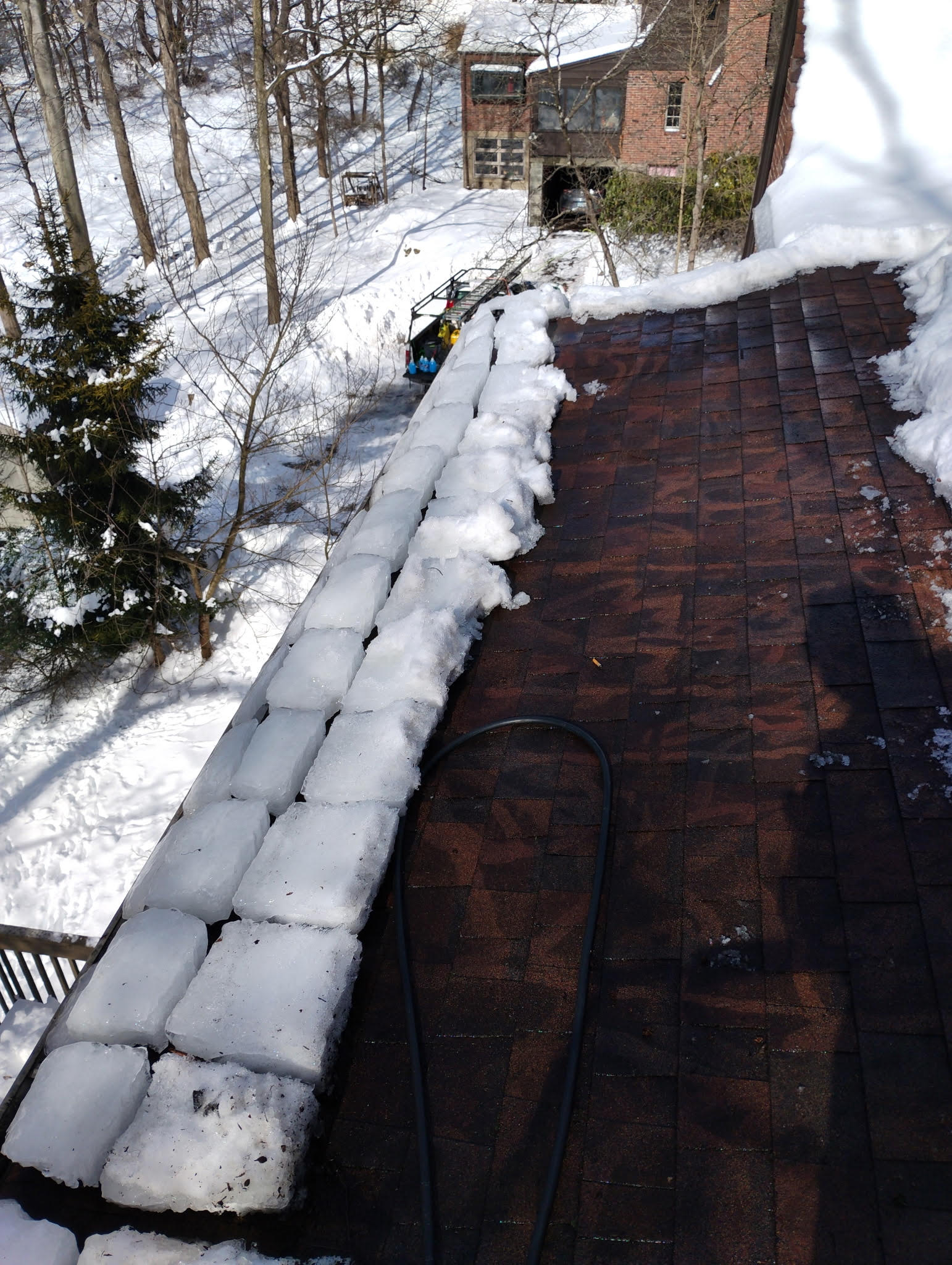
These photographs show actual Ice Dam USA roof ice removal work. They illustrate conditions and removal techniques rather than generic stock imagery.
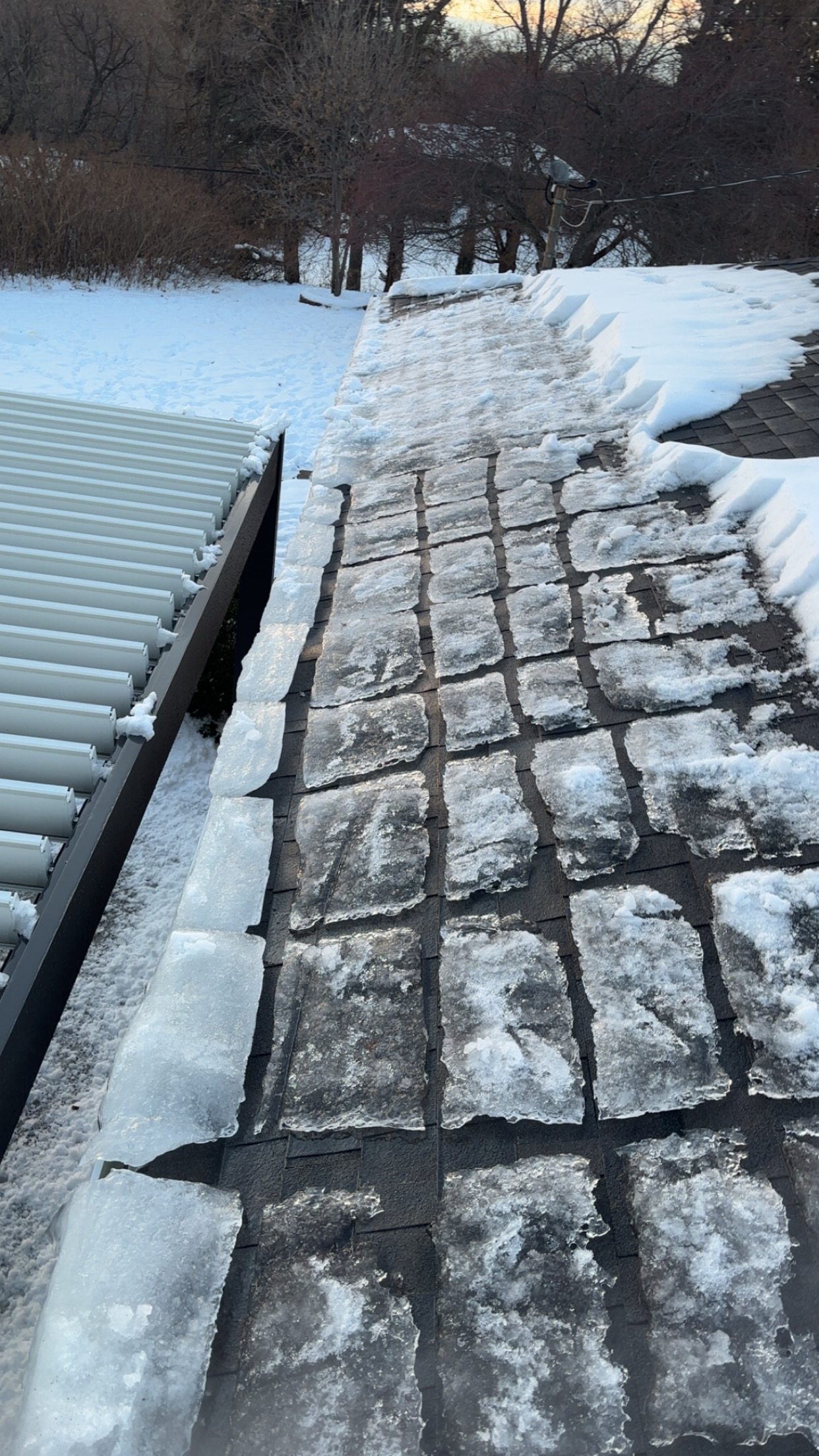
Controlled Ice Separation Heavy ice divided into manageable sections during removal.
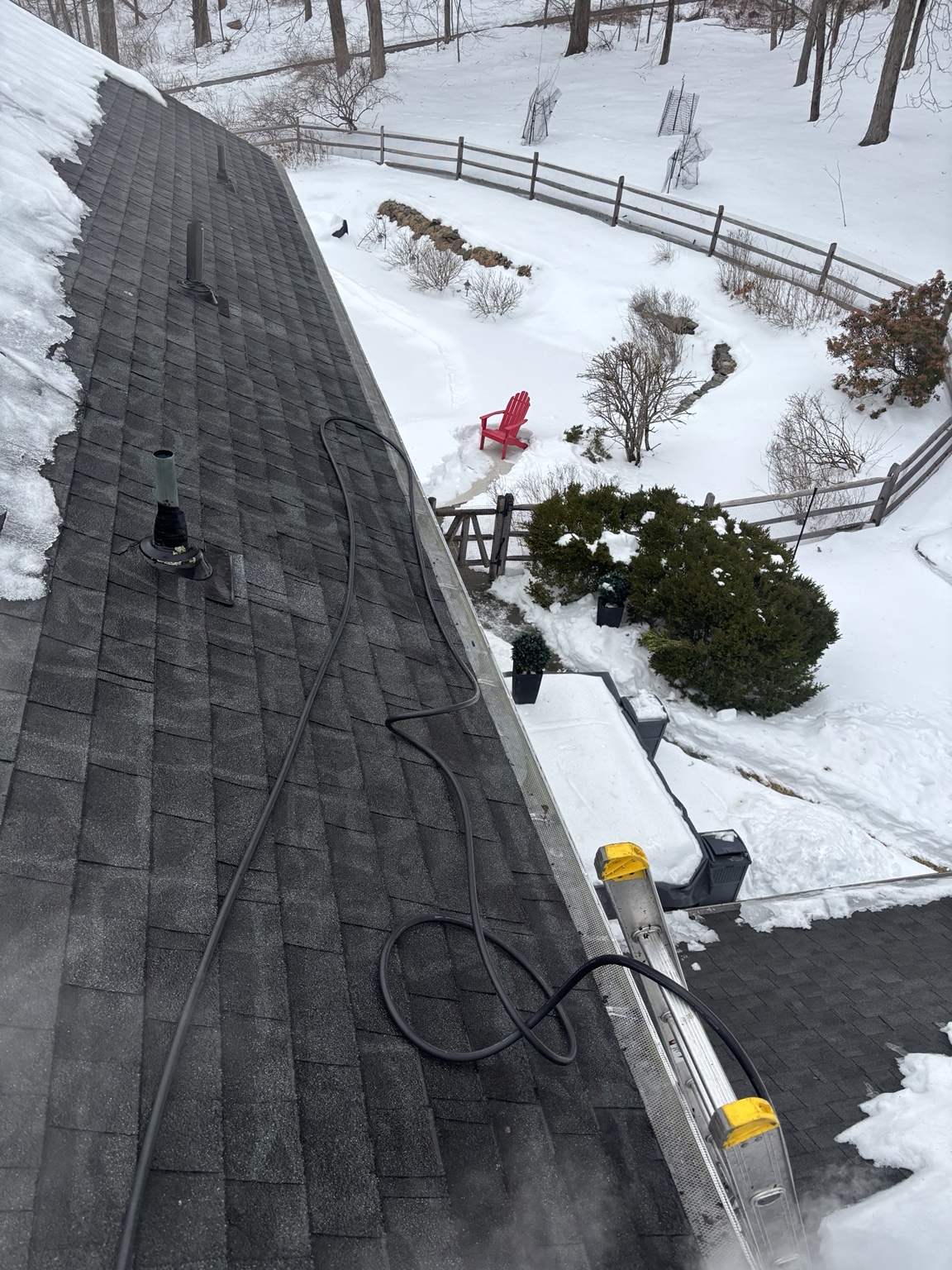
Roof Clearing Progress Exposed roofing materials and equipment after ice removal.
Heavy Roof Ice Buildup An example of significant winter accumulation requiring careful assessment.
Explore additional work in the Ice Dam USA photo gallery .
Nevada Ice Dam Removal Map & Mountain Communities
Nevada's winter conditions vary sharply by region. Use this map to explore Lake Tahoe and nearby mountain communities, then contact Ice Dam USA to discuss possible service arrangements.
Nevada Communities & Regional Inquiries
Lake Tahoe and the Carson Range: Mountain snowfall and extended snow cover can create conditions where roof ice accumulates around cold eaves and complicated rooflines.
Reno, Sparks and Carson City: Winter snow conditions change with elevation, storm patterns, and proximity to the mountains.
Northeastern and eastern Nevada: Colder seasonal weather and localized snow accumulation may create roof ice problems on individual properties.
To discuss your property, contact Ice Dam USA or call 855-468-4233 .
Service availability: Nevada is not listed among the regular state markets on Ice Dam USA's current service directory. Special travel arrangements may be possible, but must be confirmed before scheduling.
How Ice Dam USA Approaches a Roof Ice Removal Project
Professional removal begins with understanding the roof, the ice, and the site's working conditions.
Assess the Ice
Identify affected eaves, roof valleys, the extent of buildup, and potential drainage restrictions.
Review Roof Access
Evaluate pitch, height, surrounding snow, equipment access, and weather conditions.
Expose the Work Area
Snow may be moved as needed to reach the ice buildup requiring removal.
Use Low-Pressure Steam
Specialized equipment transfers heat into the ice, allowing controlled channels and sections to be created.
Clear the Obstruction
Targeted ice is removed to help reopen the natural path for melting snow.
Discuss Future Prevention
Recurring ice dams may call for separate evaluation of attic heat loss, insulation, and roof conditions.
What to Do if a Tahoe Ice Dam Is Already Leaking
Water entering a home during winter snowmelt can create damage that extends beyond the roofing surface.
Protect occupants first. Avoid areas with sagging ceilings, wet electrical fixtures, or falling ice hazards.
Move belongings away from affected areas when safe, and photograph visible damage without climbing onto the roof.
Removing the ice obstruction may help restore drainage. However, water already inside the building and any existing roof defects may require separate repair or restoration.
For urgent situations, read about emergency ice dam removal .
Information to Have Ready
Property location: Exact address and community.
Building type: Primary home, vacation property, or commercial site.
Roof design: Approximate height, slope, and affected roof areas.
Current conditions: Heavy snow, ice accumulation, and weather.
Water intrusion: Whether the building is actively leaking.
Photographs: Safe ground-level images of the affected areas.
How Much Does Nevada Ice Dam Removal Cost?
Professional roof ice removal pricing depends on ice thickness, roof height, accessibility, the amount of roofline affected, and scheduling.
Mountain properties may also require additional consideration for steep roof sections, deep snowbanks, and equipment access.
Because Nevada is outside the company's currently published regular service-state directory, travel arrangements would need to be discussed separately.
See the Ice Dam USA removal cost and pricing guide for current hourly rates and minimums.
Factors That Affect Your Quote
Roof height and slope
Thickness of accumulated ice
Number of affected roof sections
Roof access and surrounding snow
Travel and equipment logistics
Weather and safe working conditions
Urgency and scheduling requirements
Nevada Ice Dam Removal FAQs
Answers to common questions about Lake Tahoe roof ice, safe removal methods, winter leaks, and professional steam equipment.
Can ice dams form on Nevada homes?
Yes. Although much of Nevada has a dry climate, higher-elevation mountain communities can experience significant winter snowfall. Ice dams can form when roof snow melts and refreezes near colder eaves.
Why do homes around Lake Tahoe develop ice dams?
Snow accumulation, uneven roof temperatures, shaded eaves, and attic heat loss can combine to create ice dams. Roof orientation and building design also influence where ice forms.
What is the best way to remove a thick ice dam?
Professional low-pressure steam is a controlled method for removing substantial ice buildup. The appropriate approach depends on safe access, roof condition, and the amount of ice.
How do you get rid of ice dams on a steep roof?
Steep roofs require careful evaluation of accessibility and working conditions. Qualified technicians may use appropriate safety equipment and specialized steam removal methods.
Can ice dams cause roof leaks in mountain cabins?
Yes. When ice prevents snowmelt from draining, water may collect behind the ridge and enter vulnerable roofing areas. Interior moisture can damage ceilings and insulation.
Can I melt ice dams with hot water?
Improvised hot-water methods can produce runoff that refreezes and may create safety or property-damage risks. Professional steam equipment is designed for controlled removal.
Do roof ice melt pucks or salt work?
Chemical roof ice products have limitations and may affect roofing or nearby materials. They should not be considered a guaranteed solution to extensive ice buildup or an active leak.
Should I use a roof rake to remove an ice dam?
A roof rake may help remove reachable snow from a safe ground position, but it generally does not remove thick ice already bonded to the roof.
Does removing an ice dam prevent another one?
Removing the existing ice helps address the current obstruction. Long-term prevention may require air sealing, insulation improvements, or an evaluation of roof ventilation.
Can ice dams form on metal roofs?
Yes. Metal roofing can shed snow differently from asphalt shingles, but ice dams can still develop where melting water refreezes and drainage is obstructed. The roof system must be considered before attempting removal.
Does Ice Dam USA have a crew in Lake Tahoe?
A permanent Lake Tahoe crew or Nevada office is not represented on this page. Contact Ice Dam USA to ask whether special travel arrangements are available.
How much does professional roof ice removal cost?
Cost depends on the scope of the work, roof access, travel, and scheduling. Review our current pricing information for service rates and minimums.
Professional Roof Ice Removal Resources
Learn about our steam equipment, removal process, winter roof emergencies, pricing, and real projects.
Need Help With Roof Ice at a Nevada Mountain Property?
Heavy ice buildup can prevent melting snow from draining and may contribute to expensive interior water damage.
Ice Dam USA uses specialized low-pressure steam equipment and brings more than 30 years of ice dam industry experience to challenging winter roof conditions.
Tell us your location, property type, roof conditions, and whether water is entering the building. Our team can discuss the process and whether service arrangements are possible.
Call 855-468-4233 to discuss your property. Dispatch, travel, and scheduling must be confirmed.
