
ICE DAM USA | LAKEWOOD, COLORADO
Lakewood CO Ice Dam Removal
Professional roof ice dam removal in Lakewood, Colorado, using true low-pressure steam to melt frozen roof obstructions and help restore drainage.
Lakewood sits between Denver's established urban neighborhoods and Colorado's foothills. Its homes range from older suburban properties to custom residences around Green Mountain and newer multi-unit developments.
Snow-covered roofs can experience uneven melting as sunlight, shade, building heat loss, and changing winter temperatures affect different roof sections.
When that meltwater refreezes and blocks normal drainage, water may become trapped behind an ice ridge and reach vulnerable roofing materials.
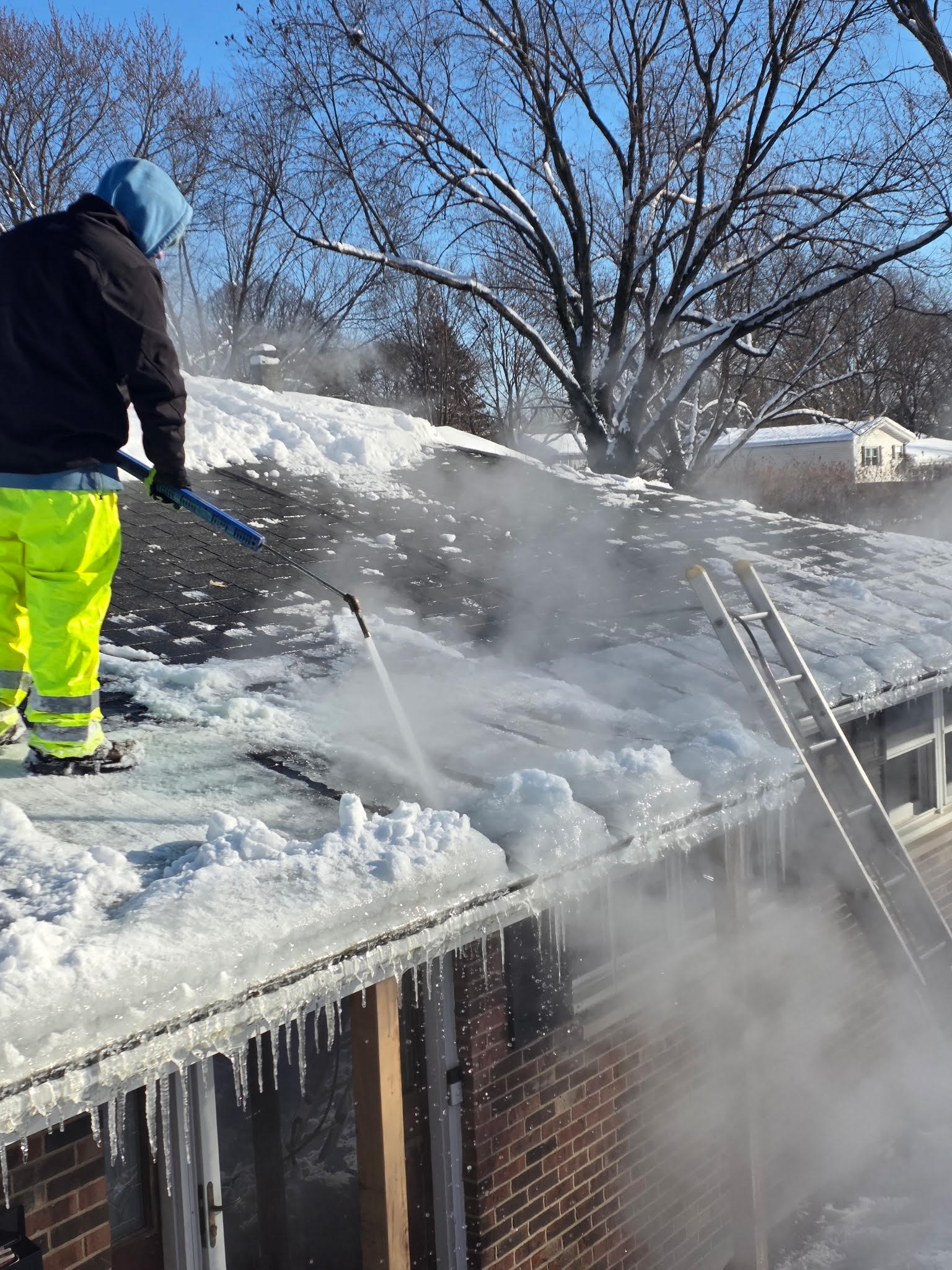
Ice Dam USA uses professional Arctic Steamers to melt ice using heat, rather than aggressive chipping or high-pressure water blasting.
01 / WESTERN DENVER METRO
Roof Ice Dam Problems in Lakewood's Established and Foothills Neighborhoods
Lakewood's geography and residential development create different roof conditions from one neighborhood to another.
The city extends from older residential areas near West Colfax Avenue to neighborhoods closer to Green Mountain, Bear Creek, and the western edge of the Denver metropolitan area.
The mix includes traditional ranch homes, split-level houses, two-story residences, townhome developments, and larger custom homes.
The risk of an ice dam does not depend simply on whether a house is older, newer, or closer to the foothills.
The important factors include where roof snow melts, how the water travels, and whether it refreezes before draining away.
Established Residential Roofs
Older homes may feature traditional roof overhangs, covered entries, attached garages, and renovations completed at different times.
Roof additions and insulation differences can affect how snow melts across the building.
Green Mountain-Area Homes
Homes nearer Green Mountain may have sloping lots, multi-level rooflines, decks, and exposed or shaded roof sections.
Property elevation changes can affect technician access even when the house looks modest in height from the driveway.
Townhomes and Managed Properties
Connected rooflines may serve multiple residential units.
Ice dams and winter water intrusion can require coordination between homeowners, associations, and property managers.
Why a Property-Specific Evaluation Matters
Two nearby Lakewood homes can experience different ice conditions during the same winter storm.
Roof shape, attic temperatures, snow retention, sunlight, and the condition of the existing roof all matter.
02 / FOOTHILLS AND FRONT RANGE CONDITIONS
How Exposure and Winter Sunlight Influence Lakewood Roof Ice
Lakewood includes open western neighborhoods, wooded residential areas, and established urban sections with mature trees.
Those surroundings can affect how much winter sunlight reaches different portions of a roof.
One roof slope may receive direct sunlight while a nearby valley, overhang, or lower roof section stays in the shade.
When snow melts on the warmer area, the resulting water may flow to colder roofing and refreeze.
Repeated melting and refreezing can create a frozen ridge that holds additional water behind it.
Wind may also redistribute roof snow, but drifting snow alone does not mean a damaging ice dam has formed.
Where Temperature Differences Matter
- Sunlit upper roof slopes
- Shaded north-facing roof areas
- Dormers and roof valleys
- Cold overhangs extending beyond heated rooms
- Lower roofs below a taller wall
- Roof sections above an attached garage
- Additions with different insulation conditions
The significant concern is ice blocking the normal movement of meltwater.
03 / LAKEWOOD PROPERTY TYPES
From Applewood to Belmar: Different Buildings, Different Roof Challenges
Lakewood's neighborhoods include a broad mix of residential construction, commercial areas, and managed properties.
Professional ice dam removal planning should reflect the actual roof and building layout, not just the ZIP code.
Applewood and Morse Park
Established residential areas may include traditional pitched roofs, mature trees, garages, and houses with later additions.
A roof valley or lower addition may collect runoff from a larger roof section.
Belmar and Central Lakewood
The Belmar area includes townhomes, condominiums, apartments, businesses, and nearby established residential neighborhoods.
Shared walkways, multiple roof elevations, and occupied areas below the roof can affect removal planning.
Green Mountain and Rooney Valley
Western residential areas may include steeper lots and buildings with multiple exposed roof elevations.
The driveway side and backyard side of a property may present very different working heights.
Eiber and West Colfax
Long-established residential and commercial areas can include varied roof ages, additions, and access conditions.
Technicians may need to plan around parking areas, neighboring structures, and exterior entrances.
A more complex roof does not automatically mean more ice buildup. It does mean there may be additional drainage paths and roof transitions to evaluate.
04 / THE ICE DAM PROCESS
How a Frozen Roof Edge Can Trap Water on a Lakewood Home
An ice dam forms when melting roof snow refreezes in a way that obstructs drainage.
This can happen during a winter warm-up or while outdoor temperatures remain below freezing if the roof is being warmed from underneath.
Snow Covers the Roofing
Snow collects on roof slopes and in valleys during winter weather.
Some Snow Begins Melting
Solar exposure, changing temperatures, or building heat loss may create meltwater.
Runoff Reaches a Cold Area
Water travels toward a colder eave, overhang, valley, or lower roof section.
Ice Restricts Drainage
Repeated refreezing can create a barrier that traps additional meltwater behind it.
Can Water Enter the Home?
Yes. Water held behind an ice dam may reach vulnerable shingles, flashing, or roof connections.
Moisture may then travel through insulation or framing before appearing on a ceiling or wall.
Learn more in our guide to roof ice dam formation .
05 / KNOW THE WARNING SIGNS
How to Recognize a Potentially Damaging Ice Dam
Not every icicle or patch of frozen roof snow represents a damaging ice dam.
The more serious concern is a frozen obstruction preventing meltwater from draining normally.
Thick Roof-Edge Ice
A heavy ridge near the lower edge of the roof can prevent runoff from moving away.
Frozen Roof Valleys
Ice may collect where two roof slopes meet and carry water toward one drainage path.
New Interior Water Stains
Water marks appearing during a winter thaw may indicate roof water intrusion. Other causes remain possible.
Ice Above an Entrance
Heavy frozen buildup can create a hazard for people using walkways or exterior doors below.
Repeated Ice in One Location
Recurring buildup may indicate an ongoing heat-loss or drainage issue.
Wet Attic Materials
Moisture near roof sheathing, insulation, or framing should be investigated to identify the source.
If your property has an active leak, contact Ice Dam USA about emergency roof ice removal or call 855-468-4233 .
06 / OUR PROFESSIONAL REMOVAL METHOD
Why True Steam Is Better for Ice Dam Removal
Roof ice can be firmly attached to shingles, flashing, and other roofing materials.
Forcing frozen buildup away using aggressive tools or high water pressure can increase the risk of roof damage.
Ice Dam USA uses professional Arctic Steamers to melt roof ice with low-pressure steam.
Steam transfers heat into the frozen obstruction, allowing technicians to remove targeted ice without relying on excessive mechanical force.
Professional Arctic Steamers
- Use heat to melt frozen roof ice
- Apply low-pressure steam
- Support targeted removal
- Reduce reliance on sharp tools
- Allow careful work near roof details
- Require trained professional operation
High-Pressure Water and Ice Chipping
- Can apply excessive force to shingles
- May disturb existing flashing
- Can damage vulnerable roofing materials
- May force water into roof openings
- Can create impact and falling-ice hazards
- Are not Ice Dam USA's removal methods
Low Pressure Does Not Mean Zero Risk
No method can guarantee that roof damage is impossible.
Existing roof condition, ice thickness, working height, weather, and technician technique all affect the appropriate removal plan.
Explore our professional low-pressure steam removal service .
07 / REAL ICE DAM USA PHOTOGRAPHY
Professional Ice Dam Removal in Action
Our project photographs show real winter roof conditions, professional steam work, and roofing after targeted ice removal.
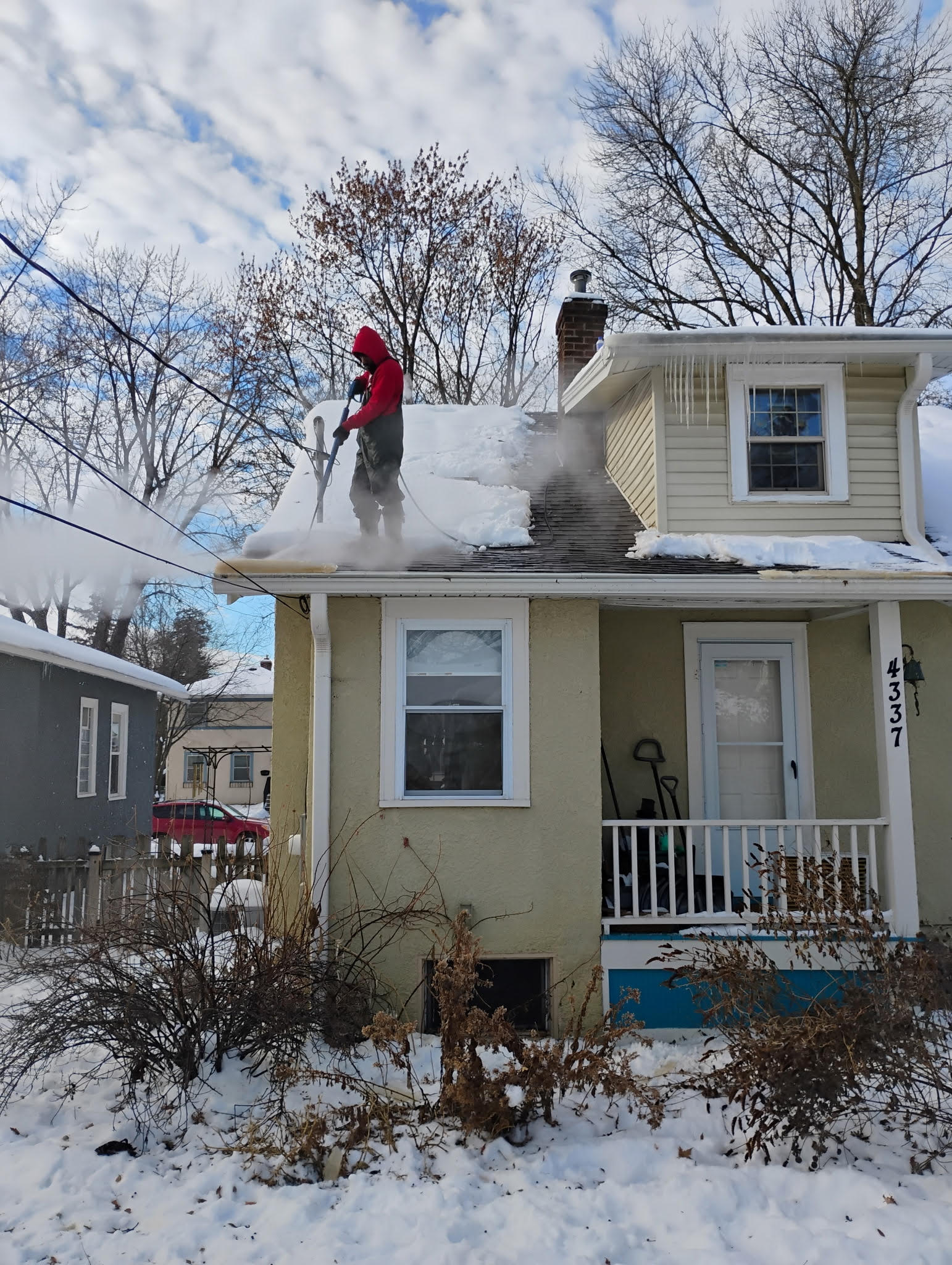
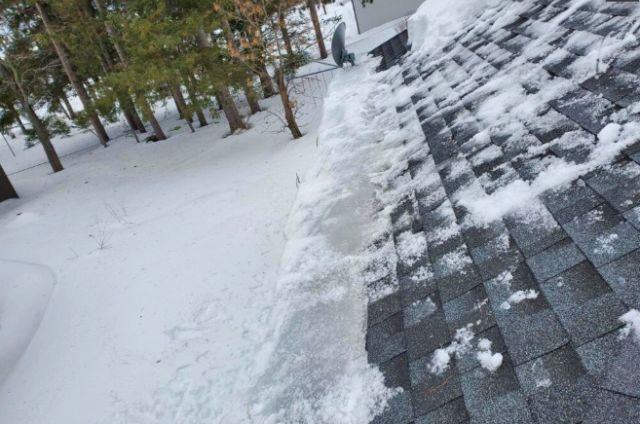
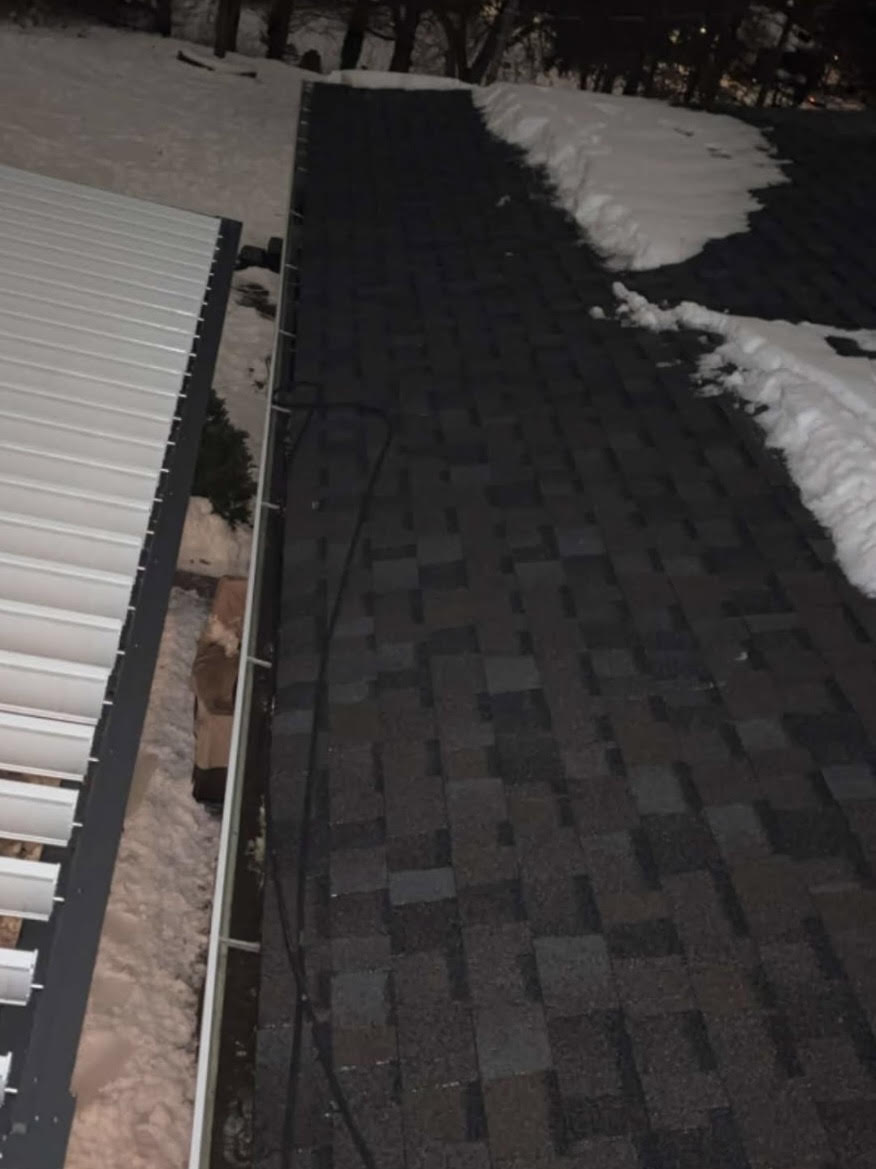
Explore more actual Ice Dam USA projects in our professional roof ice removal photo gallery .
08 / EMERGENCY ROOF ICE CONCERNS
Water Leaking Into Your Lakewood Home?
When roof ice blocks drainage, melting snow may collect behind the frozen obstruction.
Water can reach vulnerable roof materials and travel into the attic, ceiling, or walls.
The location of an interior stain may be different from the point where water entered.
Protect Your Interior Safely
- Avoid wet electrical fixtures
- Keep clear of sagging ceilings
- Move belongings when safe
- Document visible water damage
- Stay clear of falling roof ice
- Never climb an icy roof or ladder
What Steam Removal May Accomplish
Melting the frozen obstruction can help restore roof drainage and reduce additional water backup.
However, moisture already inside roofing materials may continue moving after the ice is removed.
Existing roof damage, wet insulation, or interior finishes may require separate professional evaluation and repair.
Ice Dam USA accepts emergency inquiries 24 hours a day.
Scheduling depends on weather, travel, current demand, safe access, and crew availability.
09 / RESIDENTIAL AND COMMERCIAL BUILDINGS
Ice Dam Removal for Lakewood Homes, Townhomes, and Commercial Properties
Lakewood includes single-family homes, townhome associations, apartment communities, offices, retail properties, and other commercial buildings.
Each building type can require a different approach to safe roof access, ice removal, and protecting people below.
Single-Family Homes
Professional removal for ice obstructions near residential roof edges, valleys, dormers, porches, and garage connections.
Learn about our residential ice dam removal service .
Townhomes and Condominium Properties
Shared roof sections may require coordination between residents, owners, and associations.
Occupied walkways, entry doors, and parking areas can affect the worksite plan.
Commercial and Managed Buildings
Business properties may need careful planning around public entrances, vehicle traffic, and building occupancy.
Explore commercial roof ice dam removal .
Not Every Commercial Roof Leak Is an Ice Dam
Flat and low-slope roof systems can have drainage and waterproofing conditions different from traditional pitched residential roofs.
A qualified roofing professional may need to investigate the actual cause of a leak before deciding on the appropriate work.
10 / HOW SERVICE IS COORDINATED
What Happens When You Request Lakewood Ice Dam Removal?
Tell Us What Is Happening
Provide your Lakewood property address, the location of the ice, and whether water is leaking indoors.
Review Roof and Access Conditions
Our team considers roof height, pitch, ice thickness, equipment access, weather, travel, and crew availability.
Professional Steam Removal
When work is scheduled and conditions are safe, technicians use low-pressure steam to address targeted ice obstructions.
Helpful Details to Have Ready
- Full street address and ZIP code
- Approximate number of stories
- Location of the heaviest roof ice
- Information about active interior leaking
- Driveway or equipment access limitations
- Any deck or occupied walkway below the roof
- Photos taken safely from ground level
A property manager or association representative should also be prepared to discuss work authorization if the building has a shared roof.
Lakewood Properties on Sloped Lots
Homes around the western parts of the city may have varying ground elevations.
A roof near the driveway may be much higher above a rear patio, deck, or walkout lower level.
Mention these conditions when requesting service so the crew can consider access before scheduling.
11 / ICE DAM REMOVAL PRICING
How Much Does Ice Dam Removal Cost in Lakewood, Colorado?
Professional ice dam removal is priced according to the service category and the actual work conditions.
Removing a limited ice obstruction on an accessible one-story roof may require different work from clearing several frozen areas on a tall building.
What Affects the Cost?
- Length and thickness of frozen ice
- Number of affected roof areas
- Building height and roof pitch
- Dormers and complicated roof transitions
- Technician and equipment accessibility
- Winter travel and weather conditions
- Standard or priority scheduling
Review Ice Dam USA's current ice dam removal pricing guide for published rates, service minimums, and additional details.
Ask About Pricing Before Scheduling
Our team can discuss the applicable service rate and minimum appointment requirements.
Be prepared to describe the roof and provide ground-level photos when available.
If you have an active interior leak, explain that when you contact us.
12 / PREVENTING RECURRING ROOF ICE
Why the Same Lakewood Roof May Develop Ice Dams Repeatedly
Professional steam removal addresses the existing frozen obstruction. It does not automatically eliminate the conditions that caused the ice dam.
If a particular roof section repeatedly develops thick winter ice, the building may benefit from further evaluation.
Attic Air Leakage
Warm air escaping into attic spaces may heat roofing beneath accumulated snow and create unwanted meltwater.
Insulation Differences
Gaps in insulation or differences between original construction and later additions may contribute to uneven roof temperatures.
Roof Geometry and Shade
Valleys, lower roofs, dormers, and shaded roof sections may create places where meltwater refreezes.
Removal and Prevention Are Different
A qualified roofing or building-envelope professional can review air sealing, insulation, ventilation, and roofing details after the immediate ice problem is resolved.
Explore the Ice Dam Learning Center for additional roof ice information.
13 / LAKEWOOD AND JEFFERSON COUNTY
Lakewood Colorado Ice Dam Removal Service Area
Ice Dam USA welcomes professional roof ice removal inquiries from Lakewood homeowners, commercial properties, and property managers.
We coordinate regional service based on crew availability, winter weather, travel requirements, and safe worksite access.
This is a Lakewood service-area page, not a claim that Ice Dam USA operates a permanent office within the city.
Lakewood Neighborhoods
- Applewood
- Morse Park
- Eiber
- Molholm / Two Creeks
- Belmar
- Green Mountain
- Green Mountain Park
- Glennon Heights
- Kendrick Lake
- Southern Gables
- Rooney Valley
- All areas in between
Lakewood Area Corridors
- West Colfax Avenue
- West Alameda Avenue
- Wadsworth Boulevard
- Kipling Street
- Union Boulevard
- South Jewell Avenue
- West Mississippi Avenue
- Green Mountain area
- Bear Creek area
- Denver Federal Center vicinity
- All areas in between
Whether your property is near Belmar, an established Applewood neighborhood, or the Green Mountain area, contact Ice Dam USA to discuss winter roof conditions and current availability.
Visit our Colorado ice dam removal service hub or call 855-468-4233 to ask about your specific address.
14 / FREQUENTLY ASKED QUESTIONS
Lakewood CO Ice Dam Removal FAQs
Does Ice Dam USA provide ice dam removal in Lakewood, Colorado?
Ice Dam USA welcomes professional ice dam removal inquiries from Lakewood homeowners, property managers, and commercial building owners.
Current availability depends on the property location, weather, travel, and crew scheduling.
Are homes around Green Mountain more likely to develop ice dams?
Not necessarily. The surroundings, building exposure, snow accumulation, and roof design can influence winter roof conditions.
An ice dam still requires melting water to refreeze in a way that blocks drainage.
Can Lakewood's sunny winter weather contribute to roof ice?
Yes. Sunshine can warm an exposed roof section, producing meltwater while nearby shaded roofing remains cold.
Refreezing may create an ice obstruction if normal drainage becomes blocked.
Can older homes in Applewood or Eiber develop ice dams?
Yes. Older homes may have additions, roof valleys, porches, or insulation differences that affect winter snowmelt.
Building age alone does not determine whether an ice dam forms.
Can newer Lakewood townhomes also develop ice dams?
Yes. Newer buildings can have connected rooflines, multiple elevations, and drainage transitions where meltwater may refreeze.
Why do ice dams develop above attached garages?
Meltwater from a warmer upper roof may flow onto a colder garage roof.
The runoff can refreeze near a lower roof edge or transition.
Do large icicles always mean my roof has an ice dam?
No. Icicles can form without a major drainage obstruction.
The defining problem with an ice dam is trapped meltwater behind frozen roof ice.
What equipment does Ice Dam USA use for ice dam removal?
Ice Dam USA uses professional Arctic Steamers to melt existing roof ice with low-pressure steam.
How is true steam different from a hot-water pressure washer?
Professional low-pressure steam primarily uses heat to melt ice.
Hot-water pressure washers deliver heated water through a pressurized nozzle that may damage vulnerable roofing if misused.
Does steam guarantee that my shingles will not be damaged?
No ice removal method is completely risk-free.
Low-pressure steam reduces reliance on aggressive force, but roof condition, ice thickness, weather, and technique still matter.
Can Ice Dam USA work on Lakewood apartment and condominium buildings?
Ice Dam USA welcomes residential and commercial roof ice removal inquiries, including multi-unit properties.
Shared buildings may require coordination with an owner, association, or property manager.
Can a roof ice dam cause ceiling stains?
Yes. Water trapped behind an ice dam may enter vulnerable roofing areas and travel through building materials.
Other roof defects can also cause ceiling leaks.
Will my roof leak stop immediately after ice removal?
Not necessarily. Removing the obstruction can help restore normal drainage, but moisture already inside the roofing assembly may continue moving.
Separate repairs or drying may still be necessary.
How much does ice dam removal cost in Lakewood?
Pricing depends on roof height, ice buildup, affected roof length, accessibility, travel, and the applicable service category.
Review our current ice dam removal pricing and minimums .
How quickly can emergency service be scheduled in Lakewood?
Ice Dam USA accepts emergency inquiries 24 hours a day.
Actual scheduling depends on crew availability, weather, travel, roof access, and current demand.
Can ice dams return after professional steam removal?
Yes. New snowfall, melting, and refreezing can produce another ice obstruction.
Long-term prevention may require evaluation of the roof and building envelope.
How do I request ice dam removal in Lakewood?
Call 855-468-4233 or use our ice dam removal contact form .
Provide the property address, roof height, ice location, and information about any active leaks.
15 / HELPFUL ICE DAM USA RESOURCES
Professional Ice Dam Removal Information for Lakewood Property Owners
These resources provide additional information about roof ice formation, steam equipment, service pricing, winter leaks, and prevention.
ICE DAM USA | LAKEWOOD, COLORADO
Need Professional Ice Dam Removal in Lakewood?
Heavy ice along a roof edge, a frozen roof valley, or an active winter roof leak may require professional evaluation.
Ice Dam USA uses specialized Arctic Steamers to melt existing roof ice with low-pressure steam.
Contact our team to discuss your Lakewood property, current service rates, and scheduling availability.
855-468-4233 | ICE DAM USA
Service availability depends on weather, travel, safe roof access, and technician scheduling.
