
What to Do When Your Roof Starts Leaking in Winter
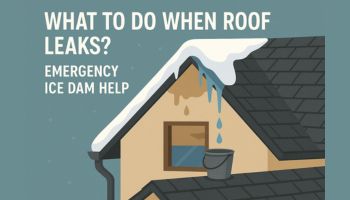
Step 1: Contain the Water Inside the House
Your first priority is not the roof. It is limiting damage inside. Put a bucket, tote, or any container under the leak. Move furniture, electronics, rugs, and anything valuable out of the area. If the ceiling is bulging from trapped water, it is often smarter to carefully puncture the lowest point and let it drain into a container than to wait for it to burst on its own. These are the first emergency roof leak steps that help you stay in control while you work on the bigger issue. They will not solve the source of the leak, but they can reduce the mess and help prevent more interior damage.
Step 2: Understand Why Winter Leaks Happen
A lot of homeowners assume a winter leak means the roof itself failed. Sometimes that is true, but often the real cause is ice. When snow melts on the warmer part of your roof, that water runs down toward the colder edge and refreezes. Over time, ice builds up and forms a barrier. Water starts backing up behind it, then works its way under shingles and into the house. That is why water coming through ceiling winter searches are so common after storms, temperature swings, or long cold stretches. The leak inside may be several feet away from where the backup is happening outside. This is also why winter roof leaks can be confusing. You may see water in one room while the actual problem is sitting at the roof edge or in frozen gutters.
Step 3: Do Not Make the Problem Worse Trying to Fix It Fast
In the moment, it is tempting to grab a ladder, break up the ice, or try whatever sounds quick. That usually leads to more damage. Avoid these common mistakes:
- Chipping at ice with a hammer, shovel, or metal tool
- Pouring hot water onto the roof
- Using salt in a way that can damage roofing materials or landscaping
- Walking on a snowy or icy roof
- Letting an inexperienced contractor pressure wash or hack at the ice
Step 4: Know What a Temporary Fix Can and Cannot Do
Temporary action matters, but it has limits. You may be able to reduce interior damage by:
- Collecting water in buckets or pans
- Using towels or plastic sheeting to protect floors and furniture
- Draining a bulging ceiling carefully
- Taking photos for insurance and repair documentation
Step 5: Call the Right Kind of Professional
Not every roofer or handyman is equipped for winter roof leak caused by ice buildup. If the issue involves roof-edge ice, frozen gutters, or active leaking during snow season, you need a crew that understands ice dam conditions and uses the right equipment to remove ice safely. The goal is not speed at any cost. The goal is solving the problem without tearing up shingles, gutters, flashing, or roof edges in the process. This is where homeowners get frustrated. In an emergency, they want someone to answer the phone, explain what is happening clearly, and show up ready to handle the problem without guesswork. That is what matters most during a winter leak. You do not need hype. You need real answers, honest expectations, and a method that protects your home.
Step 6: Why Professional Steam Removal Matters
When ice is the cause, the removal method matters just as much as the response time. Professional low-pressure steam removal is designed to melt ice safely and open drainage paths without the roof damage caused by hammers, chisels, or high-pressure equipment. Instead of forcing the issue, it works with the roof system in a controlled way. That is important because your roof is already under stress. The last thing you need is someone turning an ice problem into a shingle problem too. If your home is actively leaking and ice buildup is visible, safe steam removal is often the fastest path to stopping the backup while protecting the roof structure underneath.
Step 7: Think About the Cause After the Emergency Is Under Control
Once the leaking stops, it is worth taking a step back and asking why it happened. Winter leaks linked to ice are often connected to:
- Heat escaping into the attic
- Uneven roof temperatures
- Poor ventilation
- Heavy snow followed by thaw-and-refreeze cycles
- Gutter ice buildup that blocks drainage
What to Remember When Your Roof Leaks in Winter
When you are dealing with a leak in the middle of winter, it is easy to feel behind right away. The best response is steady and practical. Contain the water. Protect the inside of the home. Avoid risky DIY fixes. Get help from someone who understands how ice affects roofs in winter and uses methods that solve the problem without making it worse. If you are searching for roof leak winter what to do, that is the path: act quickly, stay safe, and focus on stopping damage the right way.
Need Help Taking the Next Step?
If your ceiling is leaking and ice may be involved, do not wait around hoping it clears up on its own. Winter roof leaks tend to get worse, not better. Reach out to a team that can explain what is happening, walk you through the next steps, and respond with the right equipment for the job. When every hour counts, clear answers and the right method matter.
Top Winter Roof Leak FAQs
Why is water coming through my ceiling during winter?
In many cases, it’s caused by ice buildup along the roof edge. As snow melts and refreezes, water gets trapped and pushed under shingles, eventually leaking into your home. The source of the problem is often not directly above the leak.
Why did my roof start leaking even though it’s not damaged?
In winter, leaks often happen without visible roof damage. Ice buildup can trap water on your roof, forcing it under shingles even if the roof itself is in good condition. It’s more about drainage being blocked than something being broken.
Why does the leak get worse during the day and slow down at night?
This usually happens because temperatures rise during the day, causing snow to melt and create more water. At night, everything refreezes, temporarily slowing the leak—until the next thaw cycle starts again.
Is it safe to sleep in a room where the ceiling is leaking?
It depends on the severity. A small drip may be manageable, but if the ceiling is sagging or water is spreading quickly, it’s best to avoid the area. In some cases, ceilings can weaken and collapse under pressure.
Will a small leak turn into a bigger problem quickly?
Yes. Even minor leaks can spread behind walls, soak insulation, and damage ceilings. In winter, the freeze-thaw cycle can make the problem worse within hours or days if it’s not addressed.
