
How to Prepare Your Roof for Winter the Right Way
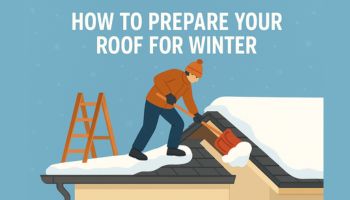
Winter Is Coming - Prepare Your Roof!
Winter doesn’t just bring snow—it brings surprises. Leaks, ice buildup, and unexpected repair bills often start with small oversights in fall maintenance. Preparing your roof now is the smartest way to protect your home, prevent ice dams, and avoid frantic calls during a blizzard.
At Ice Dam USA, we’ve spent more than three decades protecting roofs across northern states, including Minnesota, Wisconsin, Wyoming and Montana, among others. Here’s how to prepare your roof for winter the right way—with the same care and common sense we bring to every emergency call.
At Ice Dam USA, we’ve spent more than three decades protecting roofs across northern states, including Minnesota, Wisconsin, Wyoming and Montana, among others. Here’s how to prepare your roof for winter the right way—with the same care and common sense we bring to every emergency call.
1. Start With a Roof Inspection Checklist
A quick look before the first snowfall can catch issues early. Use a safe, ground-based visual check or hire a pro to confirm the details. Your roof inspection checklist should include:
- Shingle condition: cracked, curled, or missing pieces
- Flashing and vents: rust, gaps, or loosened edges
- Gutters and downspouts: clear, secure, and draining
- Attic ventilation: balanced intake and exhaust airflow
One small flaw can turn into a big winter problem once snow and freeze–thaw cycles kick in.
2. Clean Gutters and Downspouts Thoroughly
Clogged gutters trap melting snow, turning runoff into frozen sheets that creep under shingles. That’s how gutter ice starts and spreads along the eaves.
Scoop debris, rinse with a hose, and verify downspouts push water away from the foundation. If you’ve battled icicles or frozen gutters in past winters, consider professional gutter ice removal before heavy snow arrives.
3. Inspect Attic Insulation and Ventilation
Attic insulation and ventilation are central to winter roof health. Warm indoor air that escapes into the attic warms the roof deck from below. Snow melts unevenly and refreezes at the eaves, creating ice dams.
Aim for 12–15 inches of even insulation coverage. Cold air should enter through soffit vents and exit through ridge or roof vents, keeping attic temps close to outside air. Bare roof patches after snowfall are a clue your attic is running warm.
4. Seal Heat Leaks Before the Cold Sets In
Small gaps act like mini furnaces pushing warm air into your roof space. Focus on recessed lights, chimneys, plumbing penetrations, attic hatches, and ductwork junctions.
Use caulk, spray foam, and weatherstripping to seal leaks. An energy audit can reveal hidden bypasses that DIY inspections miss. This step reduces heat loss, stabilizes attic temps, and trims energy bills.
5. Trim Overhanging Branches and Manage Snow Load
Heavy branches scrape shingles, break gutters, or fall during storms. Trim branches back at least six feet from the roofline.
After major snowfalls, use a long-handled roof rake from the ground to pull snow down gently from lower sections. Avoid sharp tools or aggressive scraping that damages shingles.
6. Install Heat Cables in Chronic Trouble Spots
If your eaves or valleys repeatedly build ice, heat cables can provide targeted relief by creating narrow melt channels for drainage.
Use them as a supplement. Cables work best alongside solid insulation, balanced ventilation, and clean gutters.
7. Schedule a Professional Roof Maintenance Visit
Peace of mind goes a long way. A professional review of your roof, insulation, and gutters before deep freeze can prevent midwinter emergencies.
Our ice dam removal experts provide safe and practical advice on insulation upgrades to stop ice dams at the source. We answer every call, explain the plan, and protect roofs other contractors accidentally destroy.
Final Thoughts: Prevention Beats Panic
A couple of focused hours inspecting, cleaning, sealing, and planning can be the difference between a quiet winter and a water-damage claim. For expert guidance on insulation, airflow, and ice prevention, review:
We Answer. We Protect. We Deliver. Your home deserves a winter-ready roof, not a mid-season rescue.
Frequently Asked Questions About Winter Roof Preparation
When should I prepare my roof for winter?
Early fall is ideal. Temperatures are mild, leaves haven’t fully dropped, and contractors still have availability for inspections or insulation upgrades.
How often should I clean my gutters?
At least twice a year—late spring and fall. Homes with heavy tree cover may need extra cleanings to prevent gutter ice buildup and overflows.
What’s the right attic temperature in winter?
Keep the attic within 10–15°F of outside air. That balance limits uneven snow melt and reduces the risk of ice dams forming along the eaves.
Do heat cables really work?
Yes, as a supplement. They help in localized problem areas but don’t replace proper insulation and balanced ventilation.
What’s the safest way to remove roof snow?
Use a long-handled roof rake from the ground, pulling snow down gently. Avoid ladders, metal shovels, and aggressive scraping that can damage shingles.
