Emergency Ice Dam Removal: What to Do When Roof Leaks
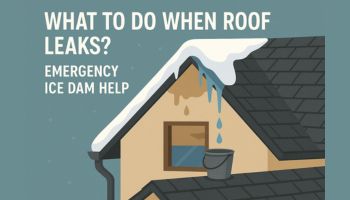
Your Guide To Emergency Ice Damming
You spot a drip, then a stain spreads across the ceiling. It’s below freezing outside and your roof shouldn’t be leaking—yet here we are. This is the moment an ice dam turns from a roofline nuisance into a full-blown home emergency. When that happens, you’re likely dealing with an ice dam emergency. Knowing what to do in the first few minutes can limit interior damage and help you make smart, safe decisions.
This guide explains what’s happening on your roof, immediate steps to protect your home, and how emergency ice dam removal is handled safely by professionals.
This guide explains what’s happening on your roof, immediate steps to protect your home, and how emergency ice dam removal is handled safely by professionals.
Protect the Inside of Your Home
- Contain the water. Move furniture, set out towels, and place a bucket under active drips.
- Release trapped moisture. If paint is bubbling, puncture the lowest point of the bubble to let water drain in a controlled way.
- Lower humidity. Run bathroom fans or a dehumidifier to slow interior moisture buildup.
- Document the damage. Take clear photos of leaks and roof ice for insurance and repair records.
Understand Why It’s Happening
Ice dams form when heat from inside your home melts snow on the roof. The water runs down to the colder eaves and freezes, building a ridge of ice. This ridge blocks new meltwater, which then seeps beneath shingles and into the attic or walls. Common triggers include:
- Heat loss through the attic from poor insulation or air leaks
- Uneven roof temperatures caused by limited ventilation
- Heavy snow followed by quick freeze–thaw cycles
- Gutters packed with ice that prevent drainage
What Not to Do
When water starts leaking during a deep freeze, panic can make even practical homeowners reach for the nearest tool. It’s understandable—you want the ice gone fast. But some quick fixes can turn a manageable situation into major roof damage.
One of the most common mistakes is chipping or hammering at the ice. What feels like progress actually cracks shingles and tears the membrane beneath, leading to more leaks once the weather warms. Another misstep is pouring salt or using de-icing pellets along the eaves. These chemicals can corrode metal gutters, stain siding, and damage landscaping below. Even power washing—often marketed as a fast solution—forces water deep under the shingles, accelerating leaks and rotting the roof deck from within.
The same goes for hiring anyone who relies on hammers, axes, or high-pressure washers. They may remove the visible ice, but the hidden damage left behind is far costlier. The only safe and proven approach is low-pressure steam removal. Steam loosens the ice gently, melts it completely, and preserves the integrity of your roof—exactly what manufacturers recommend for emergency ice dam work.
How Emergency Ice Dam Removal Works
Professional teams use specialized steam equipment to free trapped water without causing shingle damage. A typical emergency visit involves:
- Assessing where leaks occur and how ice is distributed
- Creating melt channels to relieve standing water
- Removing the remaining ice from eaves and valleys
- Checking gutters and drainage paths
- Explaining findings and prevention options
This controlled process stops the active leak, protects the roof surface, and prevents additional damage during thaw cycles.
Stabilize While You Wait for Service
While waiting for professional help, continue minimizing interior moisture:
- Keep buckets under leaks and replace saturated towels.
- Ventilate the attic if safe to do so, promoting airflow.
- Use portable fans to circulate air around wet spots.
- Shut off electrical circuits if water is near fixtures or outlets.
After the Ice Is Gone — Preventing the Next One
Once the immediate crisis is over, take preventive measures before the next freeze:
- Seal attic air leaks around lights, vents, and plumbing penetrations.
- Add or level insulation to keep attic temperatures consistent.
- Ensure balanced intake and exhaust ventilation.
- Keep gutters clear of debris year-round.
- Install targeted heat cables if specific areas always freeze first.
These upgrades reduce roof heat loss — the underlying cause of most winter leaks.
Frequently Asked Questions About Ice Dam Emergencies
How fast should I act when I see water leaking in winter?
Immediately contain the leak and contact a professional who handles ice dams with steam equipment. Fast action limits drywall and insulation damage.
Can I knock down the icicles to stop it?
Icicles themselves aren’t the root problem. The ice on the roof beneath them is. Knocking icicles can loosen gutters and still leave the dam in place.
Does insurance cover ice dam removal?
Many homeowners policies cover interior water damage and may reimburse professional removal. Coverage varies, so document the event and contact your carrier for details.
Will steaming my roof damage shingles?
No. Properly performed steam ice dam removal uses controlled heat and low pressure, preventing the physical damage caused by chipping or power washing.
How can I prevent this from happening again?
Address attic insulation, ventilation, and air sealing before next winter. Balanced airflow keeps roof temperatures even, reducing the melt-refreeze cycle that causes ice dams.
When to Seek Professional Help
If the leak is active, water is near electrical areas, or interior ceilings are saturated, professional intervention is the safest route. Teams specializing in emergency ice dam removal can quickly relieve roof pressure and stop the leak without creating new damage.
When it’s time to call in the experts, you can count on Ice Dam USA for fast, careful, and roof-safe steam removal.
